What does this occupation involve?
Road markings must match the work plan and the condition of the surface. The job can involve preparing an area, setting out markings, applying material and checking the result. Different materials and application systems require different instructions. You work with colleagues who organise access and temporary traffic measures around the job.
Road markings need more than a straight line
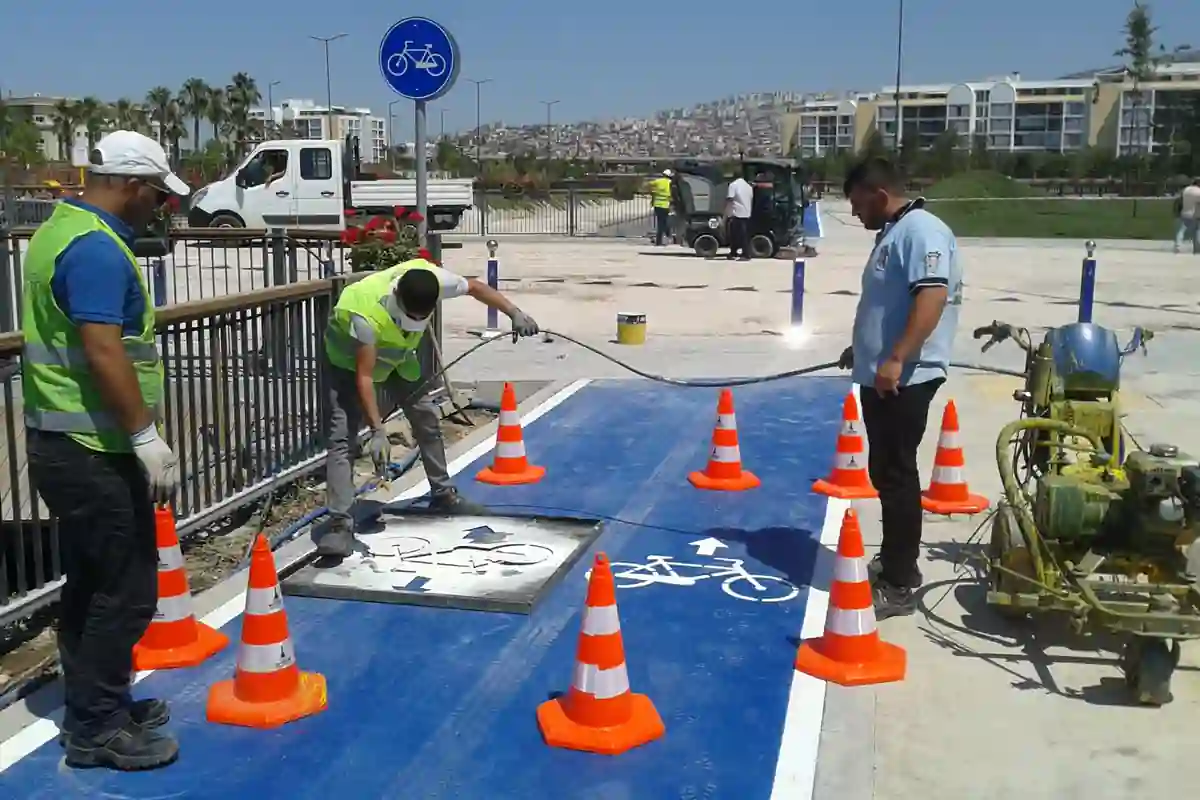
Road marking starts with setting out lines and symbols to the approved layout. Surface condition and application conditions must suit the selected system. Paint, hot-applied thermoplastic and chemically curing cold plastic have different handling requirements. The operative checks position, width, coverage and bead distribution. Glass beads support headlight retroreflection, while skid resistance is a separate performance characteristic. Release to traffic follows the product and site requirements. Equipment familiarity is valuable, but it does not replace checking that the right material and layout are being used.
What will you do?
- Review the marking plan, location and agreed work area.
- Prepare the surface and help set out lines and symbols.
- Use assigned application equipment within your training.
- Check position, appearance and completeness of the markings.
- Record completed sections and tidy equipment and materials.
Where will you work?
Work takes place outdoors on roads, business sites and parking areas. Weather and surface conditions affect planning. Projects may be scheduled outside busy traffic periods, so working hours vary by assignment.
What does a working day look like?
The team checks the planned markings and prepares access to the work area. After setting out, markings are applied in the agreed sequence. You inspect the result and report any sections that require further work.
Which skills and experience help?
Accurate measuring, concentration and working to a plan are important. You need to communicate clearly around traffic and equipment. Describe the marking materials and machines you know, including whether you have layout or application experience.
How can you develop?
You can specialise in application machinery, setting out or more complex marking projects. With experience, you may help organise a crew or check completed work against project requirements.
Your practical experience
Use a pedestrian crossing, directional arrow or long edge line to describe your work. Name the marking machine, stencil and material, and explain your part in setting out and checking the surface. Include how you assessed coverage, line width and bead distribution, and recorded areas needing further attention.
Practical questions about the trade
How do thermoplastic and cold plastic road markings differ?
Thermoplastic is applied hot and becomes solid as it cools. Cold plastic cures through a chemical reaction between components. They therefore involve different equipment and process controls. The marking specification and product instructions determine the appropriate application and conditions for reopening to traffic; experience with one system does not automatically cover another.
What do glass beads contribute to road marking performance?
Glass beads return some headlight illumination towards the driver. Distribution and correct embedment affect that performance, and wet-night visibility depends on the overall marking system. Retroreflection is distinct from skid resistance. Adding more beads alone therefore does not prove that a marking meets every requirement for visibility, grip and durability.
What should be checked before applying a road marking?
The crew confirms the position, dimensions and symbols against the layout, then checks that the surface and conditions suit the product. Contamination or unsuitable preparation can undermine adhesion even when the line looks straight. Traffic protection, material selection and the inspection approach should already be established before application begins on the work area.
More about this occupation
Occupational, training and technical sources relevant to this page.