
What does this occupation involve?
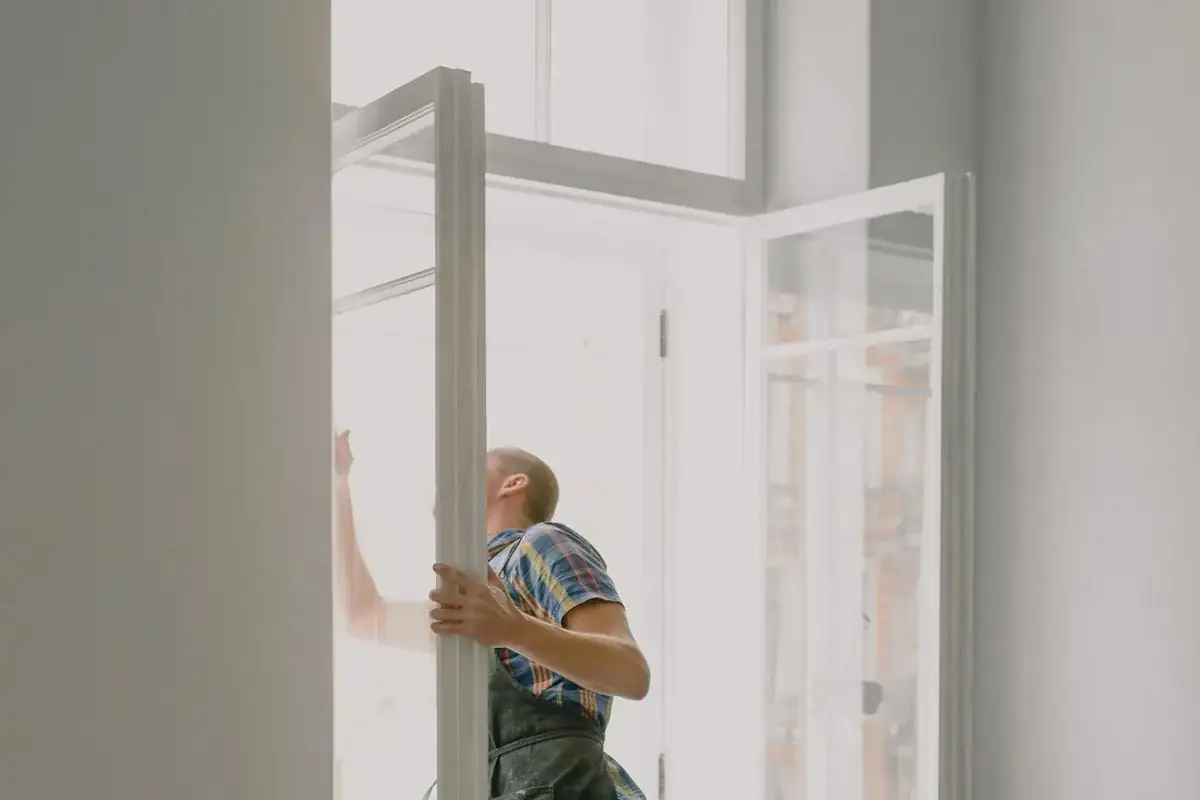
Fitting uPVC windows involves preparation, installation and checks. Renovation may include removing old frames while protecting the surrounding area. New frames are positioned, fixed and finished according to the system instructions. A level frame is only part of the result: moving parts and seals must also work correctly. Glass and heavy units require suitable handling equipment and teamwork.
A window needs support, sealing and clear drainage
Window installation joins a manufactured frame to the building opening. Dimensions, substrate condition and alignment must suit the specified system before the frame is secured. Mechanical fixing transfers loads; insulation and perimeter sealing perform different functions. PVC-U, aluminium and timber systems have their own details and compatible products. Glazing also needs correct support, sound seals and unobstructed drainage routes. Handover includes operating the windows and doors and checking the connections. A clean internal trim does not compensate for a distorted frame, binding sash or blocked drainage path.
What will you do?
- Check openings, dimensions and delivered frames before installation.
- Remove existing frames and finishes where required.
- Position, level and fix new units to the agreed method.
- Seal connections and complete the specified finishing work.
- Check operation and leave the area clean.
Where will you work?
Work takes place on new buildings, renovation projects and occupied homes. Protecting floors and communicating with residents can be important. You often work with another fitter and move tools between locations.
What does a working day look like?
You review the job and materials, agree who does each task and prepare the opening. After fitting, you check dimensions, operation and finishing. Any unexpected issues are reported before leaving.
Which skills and experience help?
Spatial awareness, measuring skills and practical installation experience help. Describe your experience with uPVC, renovation, alignment and sealants. Handling large or fragile units requires cooperation. Independent duties and necessary safety arrangements are discussed for each job.
How can you develop?
Experience can lead to more complex connections, service work or supporting an installation crew. You can also develop knowledge of different frame systems and renovation methods.
Your practical experience
Use a project such as replacing PVC-U windows in existing masonry or fitting aluminium frames. Explain setting out, packing, anchoring and perimeter sealing, then describe operation checks. Make clear whether glazing and hardware adjustment were part of your own duties or handled by another installer.
Practical questions about the trade
Can installation foam replace mechanical window-frame fixings?
Mechanical anchorage transfers loads from the frame to the building through the specified installation arrangement. The perimeter joint separately provides insulation and the required air and weather seals. A filled gap therefore does not establish adequate fixing. Supports, anchors and seals each need checking against the system instructions and the actual opening into which the window is installed.
Are PVC-U, aluminium and timber windows installed in the same way?
Their general purpose is similar, but profiles, connections and compatible products differ. Existing openings and any subframe also affect the detail. Installers need the instructions for the actual system, including glazing support and drainage arrangements. Experience with one frame material is useful evidence, but it does not automatically cover every anchoring or sealing method used by another manufacturer.
What should a window installer check at handover?
Operate the opening parts and check that hinges, locks and seals work without binding or distortion. Inspect glass, visible surfaces and the connection to the building. Drainage routes should remain clear. These checks assess function as well as appearance, because a neatly finished reveal or trim can conceal poor alignment or an incomplete perimeter connection.
More about this occupation
Occupational, training and technical sources relevant to this page.