
What does this occupation involve?
Residential work can involve lighting, sockets and cable routes. Commercial or industrial projects may involve different systems and controls. The job is more than pulling cables: you need to understand how components work together and whether the installation matches its design. Duties depend on your experience and the assignment.
Making the drawing match the finished installation
Electrical installation combines reading circuit information with careful physical assembly. An electrician may fit conduit or cable tray, route specified cables, label circuits and terminate conductors at equipment or distribution boards. Cable entries, supported routes and accessible connections affect both inspection and future maintenance. Domestic lighting and socket circuits differ from industrial motor and control installations. A tidy installation still needs its specified inspections and tests before commissioning. Drawings, measured results and any changes must agree, and responsibility for testing and final release should be clear for the particular assignment.
What will you do?
- Prepare cable routes and fit cables, trays or conduits to the drawing.
- Install lighting, switches and components within your agreed duties.
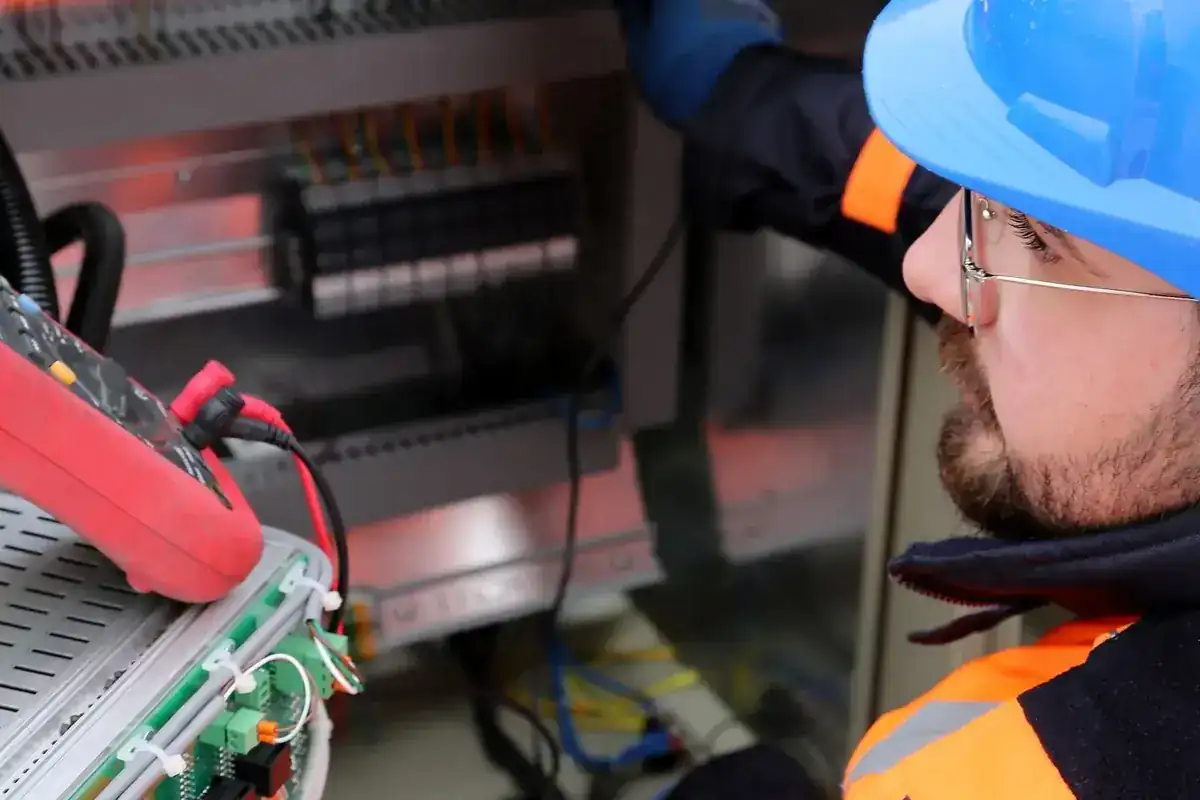
- Read diagrams, check connections and record measurements.
- Investigate faults and discuss findings with the responsible technician.
- Leave the work area tidy and hand over completed work.
Where will you work?
You may work on new buildings, renovations or industrial sites. Some projects last months; other jobs involve several locations. Coordination with carpenters and other installers prevents trades getting in each other’s way.
What does a working day look like?
A typical day starts with the plan and safety arrangements. You prepare materials, complete part of the installation and check the result. In occupied buildings, you also coordinate with residents or other users.
Which skills and experience help?
Technical understanding, accuracy and clear communication matter. Describe the systems you know and the tasks you can complete independently. Relevant training and practical experience help. Required instructions, authorisation and certificates depend on the workplace; independent electrical work is never assumed.
How can you develop?
Further training can lead towards maintenance, fault finding, industrial systems or supporting an installation team. Explain which direction you want to develop as well as your current experience.
Your practical experience
A useful project example might involve installing cable containment in a commercial building or wiring a distribution board from a schematic. Identify the cable systems, termination tools and instruments involved, and distinguish installation work from testing, fault finding and authorising energisation.
Practical questions about the trade
What does an installation electrician read from an electrical drawing?
A circuit diagram shows how supplies, protective devices, loads and controls are connected. Equipment references and terminal numbers link the drawing to the physical installation, while layout drawings locate routes and components. Discrepancies need clarification and recording. Otherwise a later technician may encounter connections that do not match the information used for inspection or fault finding.
Does installing electrical cables also demonstrate testing competence?
Installation and testing are separate parts of the job. An installer fits and terminates specified components; inspection and testing evaluate the completed work using suitable instruments, procedures and records. A person may perform both, but the assignment must define that responsibility. Experience should distinguish routine mounting and connections from interpreting test results and authorising commissioning.
How does industrial electrical work differ from domestic installation?
Domestic work often centres on lighting, sockets, wiring routes and final distribution circuits. Industrial work may add motors, control circuits and larger distribution arrangements. Both need accurate drawings and identification, but the equipment and checks can differ substantially. Relevant experience is best described through the actual systems worked on and the limits of the tasks undertaken.
More about this occupation
Occupational, training and technical sources relevant to this page.
- SBB / KiesMBO — Elektrotechnische installaties
- SBB – Monteur laagspanningsdistributie: montage en controle
- SBB – Ontwikkelen van elektrotechnische voedingssystemen en verdeelinrichtingen
- Schematy instalacji elektrycznych - Sporządzanie schematów instalacji elektrycznych - zpe.gov.pl
- Zasady montażu instalacji elektrycznych - Montaż instalacji elektrycznych - zpe.gov.pl
- Badanie i pomiary elektryczne w instalacjach - zpe.gov.pl
- WorldSkills Portugal – Eletricidade e Instalações: descritivo técnico
- Técnico/a de Instalações Elétricas
- ECITB – Install electrical cabling and wiring systems
- ECITB – Inspect, test and commission electrical installations