
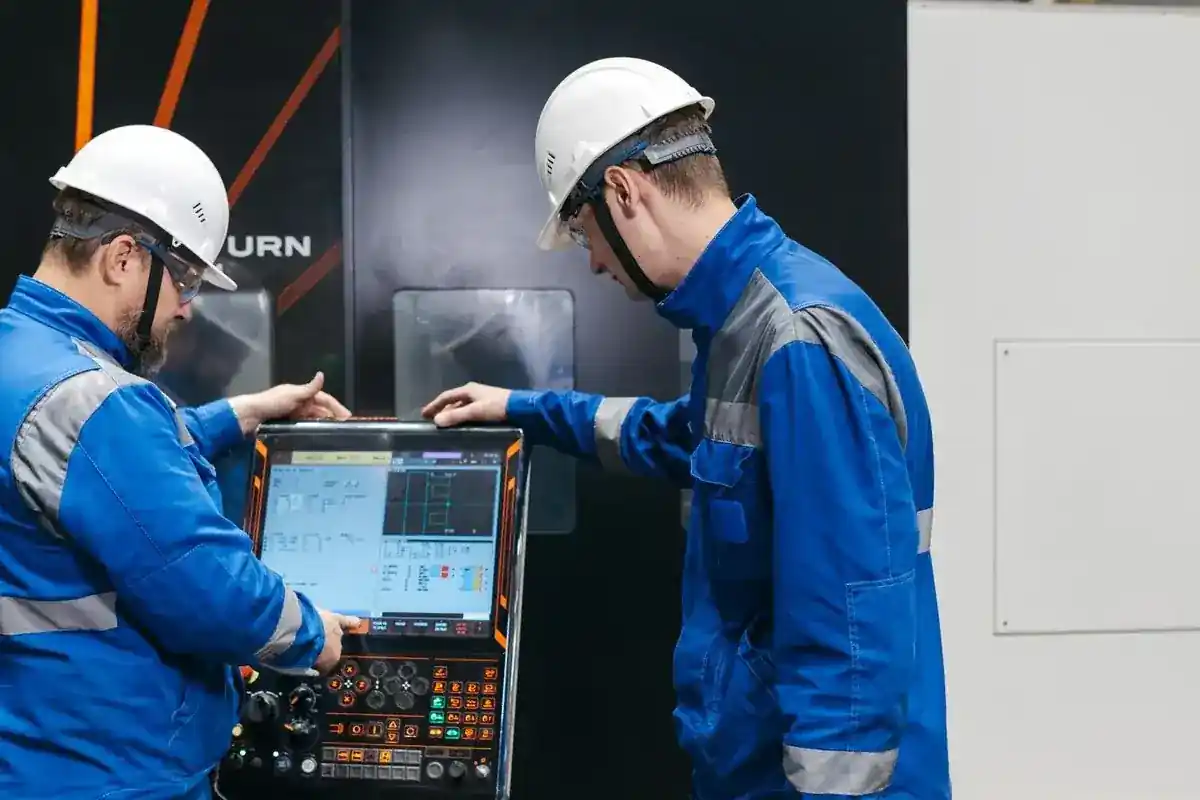
What does this occupation involve?
Manufacturing jobs can involve plastic components, building materials or consumer products. Some focus on assembly, others on supplying materials, checking or packing. Your work is part of a larger process: a missing component or incorrect label creates problems at the next stage. Care is therefore as important as keeping moving.
Keep the line moving with the right product checks
Production work links material supply, assembly and packaging. A worker checks that components and packaging match the current order, replenishes the station and follows the assigned sequence. Depending on the process, that may involve an assembly jig, sorting, labelling or packing. Quality checks focus on agreed features such as damage, completeness or correct identification. Suspect products remain identifiable and separate according to procedure. Records support batch control and shift handover. A line stoppage requires the defined response; operating a station does not automatically include authority to change settings or carry out repairs.
What will you do?
- Prepare materials and check that the right components are available.
- Assemble products or carry out a taught operation.
- Identify visible damage, missing parts or incorrect dimensions.
- Sort, pack or pass approved products to the next station.
- Keep equipment tidy and report issues during handover.
Where will you work?
Most work takes place inside a factory or workshop, in continuous production or smaller batches. Noise, temperature, standing work and product weight vary. Working hours may be daytime or shifts.
What does a working day look like?
You discuss the planned products, check your materials and follow the task instructions. Quantities and quality are monitored throughout. If equipment stops, you report what you noticed so the right colleague can respond.
Which skills and experience help?
Following instructions, noticing differences and working well with others are important. Some entry-level duties can be learned at work; other jobs require process experience. Describe your previous tasks and availability. Machine operation needs appropriate instruction and clear limits.
How can you develop?
Learning several stations can lead to an all-round production role. Machine operation, quality checks or helping new colleagues may be possible with suitable training and opportunities.
Your practical experience
Describe a specific product and station, such as assembling connectors, inspecting moulded parts or packing finished goods. Identify the jigs, gauges or scanners used and how you handled rejects. A clear example of recording a batch change or handing over an incomplete order shows the practical scope of your work.
Practical questions about the trade
Does production-worker experience include setting up machinery?
It depends on the station. A role may involve feeding materials, assembling components, checking output or packaging, while another includes operating equipment to a defined instruction. Setting changes, changeovers and repairs may belong to a different operator or maintenance team. Describe the controls and adjustments actually used, together with the problems that required escalation.
What should a production worker do with a defective component?
Check the suspected defect against the agreed acceptance criteria, then identify, segregate and report it through the production procedure. Damage, a missing component and a wrong label may need different decisions. Defective items should not drift back into good stock. Recording the station, batch and point of detection helps the responsible team assess the affected production.
Why do batch details and production records matter on the line?
They connect materials and completed operations to the right production order. During a batch change, that helps prevent components or labels from being mixed; during handover, it clarifies what is complete and what remains under review. The exact record depends on the process. Accurate entries help investigate a quality issue without relying on memory alone.
More about this occupation
Occupational, training and technical sources relevant to this page.
- SBB / KiesMBO — Mechanisch operator
- SBB – Productie- en verpakkingsapparatuur: kwalificatiedossier
- SBB – Productiemedewerker vleeswarenindustrie: beroepscompetentieprofiel
- Bosch Group Młodszy Operator Produkcji (k/m) | SmartRecruiters
- Kontroler jakości - Wojewódzki Urząd Pracy w Łodzi - Wortal PSZ
- IEFP – Operador de produção de matérias plásticas: tarefas e controlo
- Engineering operative - Manufacturing production operative / Skills England
- Lean Manufacturing Apprentice – Find an apprenticeship – GOV.UK