What does this occupation involve?
Commercial vehicles involve different sizes, loads and sometimes different systems from passenger cars. Work may cover drivetrains, brakes, chassis, electrical equipment and accessories. Duties depend on the fleet and workshop. Routine maintenance, advanced diagnosis and official inspections remain separate responsibilities. Operators want to reduce downtime, but careful checks remain an essential part of the job rather than a step to rush.
Air systems and diagnostics across the whole vehicle
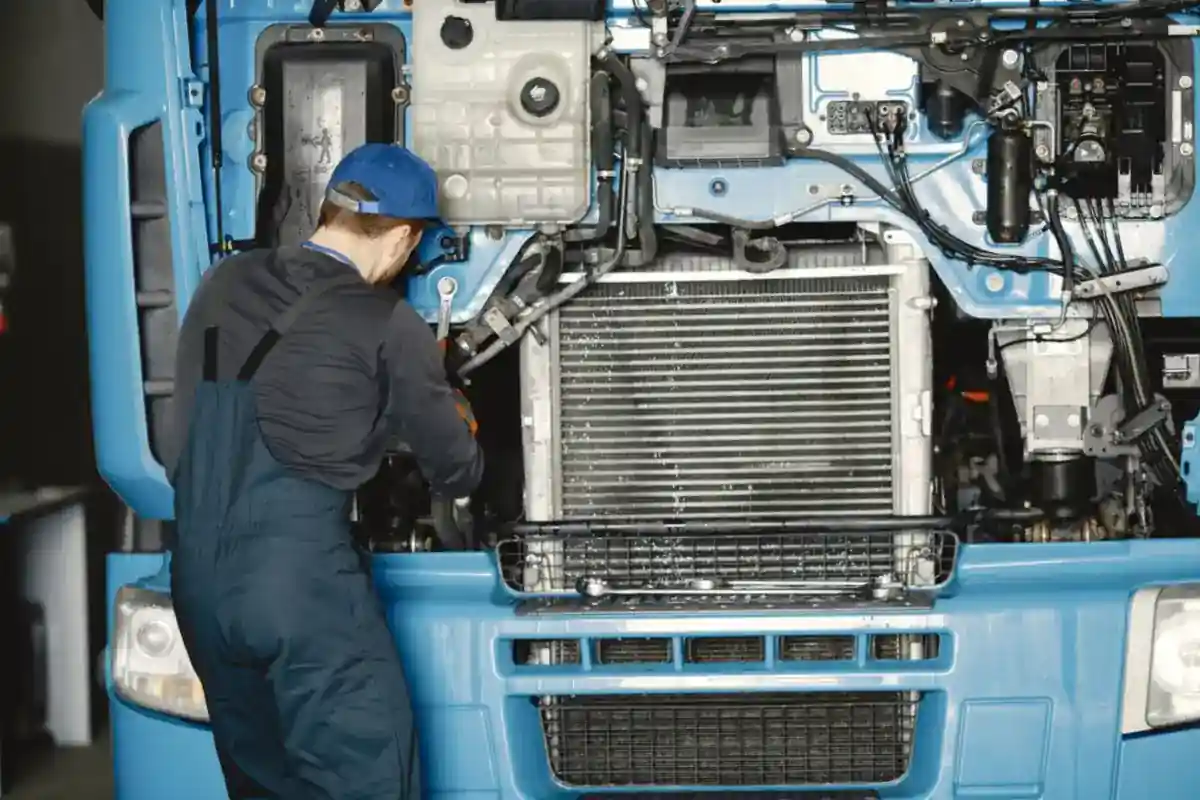
A truck mechanic works across engines, transmissions, electrical controls, air suspension and braking systems. A reported fault may also involve the trailer coupled to the vehicle. Electronic information needs to be considered alongside physical inspection and suitable measurements. Technical data guide the repair and its final checks. Heavy components and moving air suspension make work preparation and support arrangements particularly important. The job record should identify the system investigated, the cause found and the verification performed, rather than merely state that a warning was cleared.
What will you do?
- Check job cards and maintenance information.
- Perform assigned servicing and inspections.
- Repair or replace worn and faulty components.
- Investigate problems using suitable equipment.
- Check repairs and record findings.
Where will you work?
You work in a commercial vehicle workshop, dealership or transport business. Heavy components require suitable handling equipment. Shifts may be arranged around when vehicles are available.
What does a working day look like?
You discuss the schedule and the driver's complaint, check the vehicle and carry out the assigned work. Additional faults are reported before the vehicle is checked and handed back.
Which skills and experience help?
Vehicle knowledge, careful measurement and systematic working are useful. Describe the vehicle types and systems you know, such as air brakes or diesel systems. Driving entitlement and specialist duties are discussed for each position.
How can you develop?
You can specialise in diagnostics, electrification, trailers or particular manufacturers. Experienced technicians may support colleagues or coordinate technical work in the workshop.
Your practical experience
A strong example describes a braking or suspension fault where you combined electronic information with mechanical inspection. Identify the truck, whether a trailer was involved, the measuring equipment and the checks after repair. This distinguishes scheduled servicing from investigating a complex vehicle complaint.
Practical questions about the trade
What makes truck air-brake work different from car brake servicing?
Many heavy vehicles use compressed air and electronic control for braking. Investigation therefore includes the air supply, pipes, valves and signals as well as mechanical brake components. The vehicle design and technical information determine the checks. Experience with car brakes is useful, but additional knowledge of the particular heavy-vehicle system is necessary.
How does a truck mechanic investigate an intermittent driving fault?
The investigation connects the reported symptom with the conditions in which it occurs. The mechanic inspects the relevant system and compares measurements and diagnostic data with technical information. Mechanical, electrical and pneumatic functions interact, so a code is only part of the evidence. The record identifies the cause, repair and checks used to confirm the result.
Why might a trailer need checking during truck fault diagnosis?
The tractor and trailer operate as a combination. Braking, electrical connections and coupling equipment may therefore be relevant to a reported fault. The scope of inspection should be clearly recorded. Work underneath vehicles or around air suspension also needs suitable support and control of unexpected movement; switching the engine off alone does not establish safe conditions.
More about this occupation
Occupational, training and technical sources relevant to this page.
- SBB / KiesMBO — Mobiliteit en transport
- SBB / KiesMBO — Service en onderhoud werktuigbouw
- Opleiding Allround technicus voertuigen en mobiele werktuigen
- Budowa i przykładowe uszkodzenia układów hamulcowych pojazdów osobowych i ciężarowych - Kontrola stanu technicznego układów hamulcowych - zpe.gov.pl
- Reparação e manutenção | Scania Portugal
- A Scania reforça a segurança com uma campanha de manutenção e substituição de travões | Scania Portugal
- Heavy vehicle service and maintenance technician / Skills England
- Working under vehicles - HSE