What does this occupation involve?
The role combines mechanical work with hydraulics, drivetrains and electrical control. The most important systems depend on the equipment. You inspect wear, perform maintenance and investigate faults. Some jobs take place in a workshop; others are carried out on site. Repairing a machine is a different occupation from operating it every day, although both experiences may be useful and should be described separately.
Diagnose the machine, not just the hydraulic component
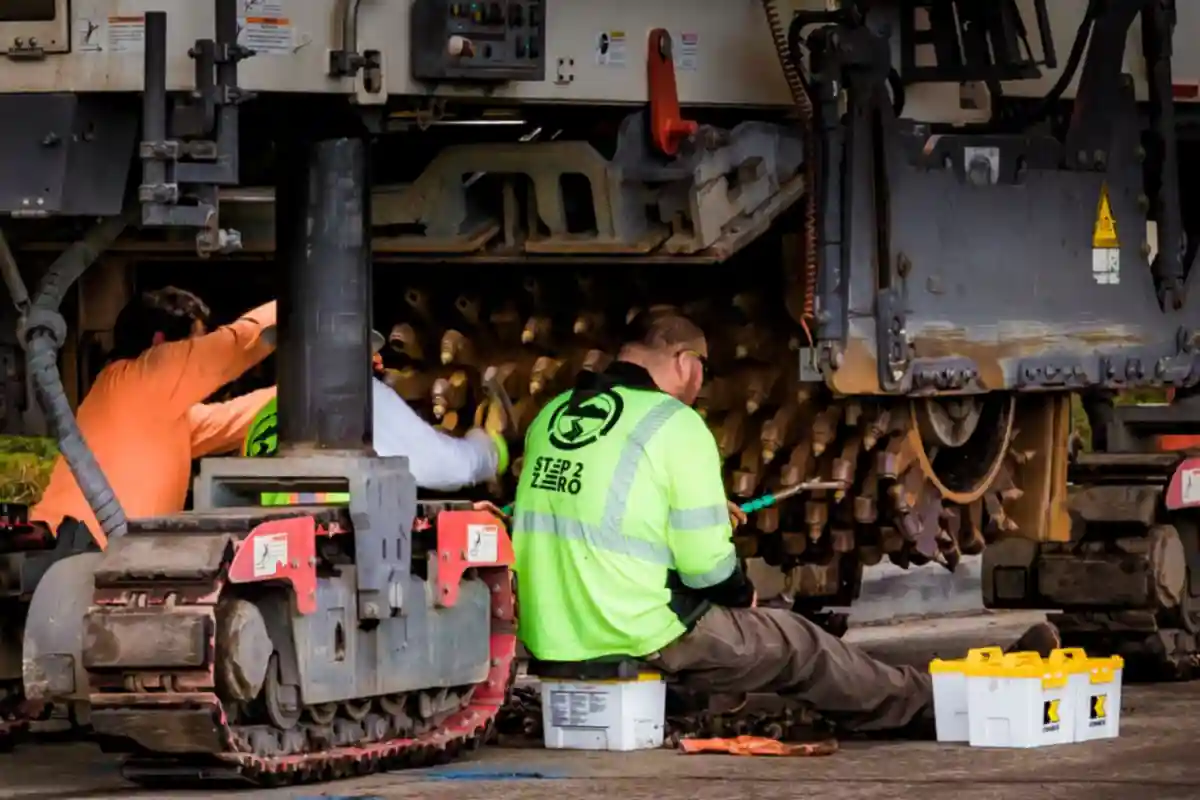
Mobile plant combines engines, hydraulic circuits and electrical controls. A slow movement can therefore have several causes. The mechanic connects the reported behaviour with schematics, diagnostic information and measurements suited to the system. Servicing also depends on correct fluids, filters and clean connections; contamination can damage a replacement component. Field work adds questions about access and machine positioning. Component support, stored energy and control of movement belong in the preparation for the repair, alongside making the correct tools and technical information available.
What will you do?
- Check the maintenance task and machine information.
- Inspect mechanical and hydraulic components.
- Service equipment and replace defective parts.
- Investigate faults within the agreed responsibilities.
- Check function after repair and record findings.
Where will you work?
You work for machinery suppliers, service businesses, hire companies or maintenance teams. Site work involves ground conditions, weather and nearby activities. Heavy components require suitable support and handling equipment.
What does a working day look like?
You start with a fault report or service schedule, inspect the machine and discuss the required parts. After the work, you carry out the agreed functional check and document the result.
Which skills and experience help?
Technical understanding, logical diagnosis and hydraulic knowledge help. State the machines, brands and systems you know. Electrical and other specialist systems require appropriate training and instructions.
How can you develop?
You can specialise in diagnostics, particular manufacturers or independent field service. Experienced mechanics may also support repair planning and guide technical work.
Your practical experience
Use an excavator or loader with an abnormal movement as an experience example. Explain how you separated mechanical, hydraulic and control possibilities, protected open connections from contamination and verified operation afterwards. This shows diagnostic judgment as well as the ability to remove and replace parts.
Practical questions about the trade
How does a plant mechanic investigate slow hydraulic movement?
The mechanic establishes the behaviour and the functions affected. Engine performance, the hydraulic circuit and electrical control can influence each other. Schematics and appropriate measurements help narrow the cause before components are replaced. Slow movement alone is not enough evidence to identify a failed pump or justify that particular repair.
Why does contamination control matter during hydraulic repairs?
Open lines or components can introduce dirt that affects performance or component life. Suitable caps and plugs, and careful handling of oil and parts, therefore belong in the repair. The specified fluid, filters and maintenance information remain important. Replacing a cylinder or pump does not by itself resolve contamination elsewhere in the hydraulic system.
What changes when mobile equipment is repaired on a construction site?
Site conditions affect access, support and the ability to keep tools and parts clean. The machine must be prepared for the task, with movement and stored energy controlled. Pressurised hydraulic leaks present a serious injury hazard, rather than simply an oil spill. Investigation and repair consequently require suitable equipment and procedures for that particular intervention.
More about this occupation
Occupational, training and technical sources relevant to this page.
- SOMA — Monteur mobiele werktuigen
- SBB / KiesMBO — Service en onderhoud werktuigbouw
- Opleiding Allround technicus voertuigen en mobiele werktuigen
- Wstęp - Układy hydrauliczne - zpe.gov.pl
- Instalacje hydrauliczne - Układy hydrauliczne - zpe.gov.pl
- IEFP — funções de mecânico de máquinas agrícolas e industriais
- Construction plant mechanic | Explore Careers | National Careers Service
- How to Repair Your Cat® Hydraulics | Cat | Caterpillar
- Self-Service Cat Tilt Cylinder Replacement | Cat | Caterpillar
- Hydraulic injection injury - HSE