What does this occupation involve?
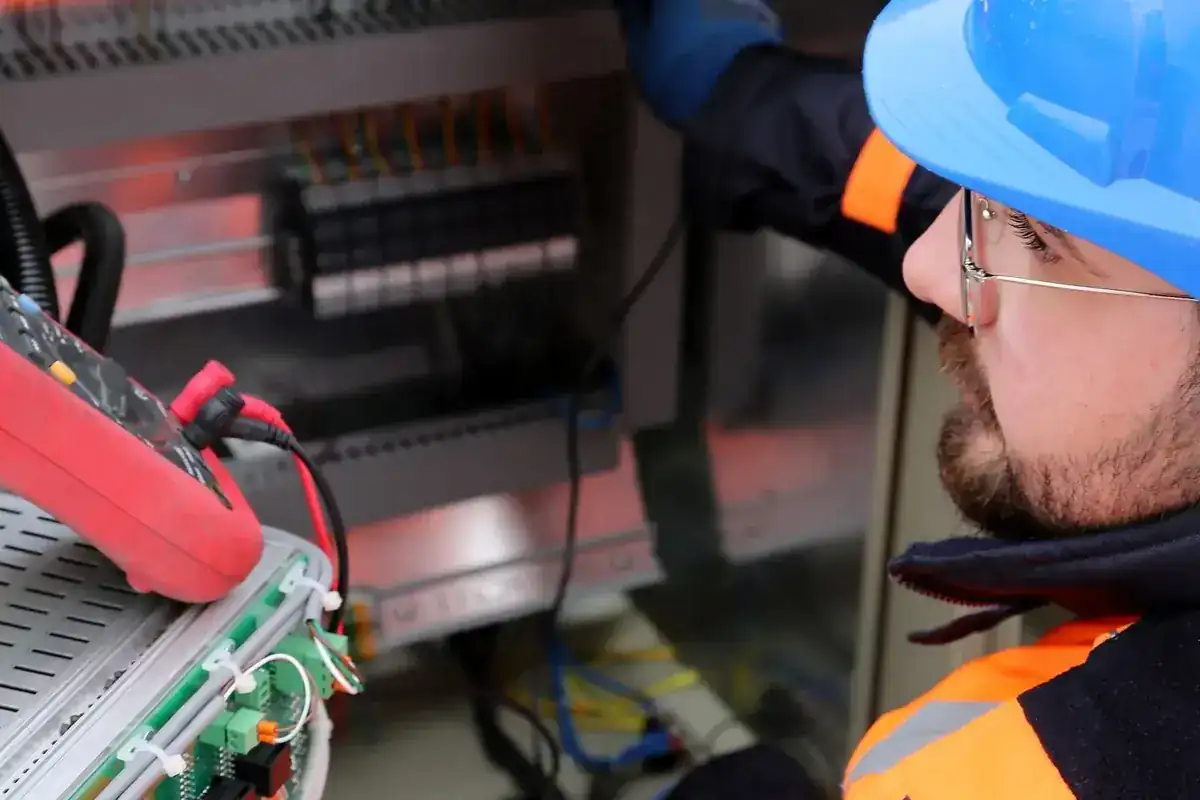
Maintenance is not only reacting when a machine stops. Recognising wear early helps avoid unexpected downtime. Mechanical work can involve drives, bearings and conveyors. Electrical and control work are not automatically included. You work within your expertise and coordinate with operators and other specialists.
Finding the cause behind the mechanical failure
An industrial mechanic compares actual machine behaviour with how the system should work. Noise, leakage, vibration and play in a pump, conveyor or drive can have different causes. Drawings, maintenance history and targeted measurements help establish whether a damaged bearing also involves misalignment, lubrication or contamination. Correct fitting tools, component fits and cleanliness influence the repair. Functional checks and a clear maintenance record complete the job. Before dismantling, the equipment must be made safe under the site's procedure, including pressure and other stored energy.
What will you do?
- Review maintenance schedules, reports and technical documents.
- Arrange safe release of equipment for the planned work.
- Investigate wear and repair or replace parts within your expertise.
- Check the result with the relevant colleagues.
- Record the work and findings for future maintenance.
Where will you work?
You may work in a factory, workshop or at several industrial customers. Maintenance can take place outside production hours. Shift or on-call duties vary by job.
What does a working day look like?
You review planned work and recent fault reports. When something fails, the operator’s account helps guide your investigation. After repair and checks, you record the work and any further action needed.
Which skills and experience help?
Problem-solving, technical understanding and careful communication are important. Describe your machines and mechanical systems experience. Mention pneumatics, hydraulics and electrical knowledge separately. Isolation and restarting follow the site’s procedures and responsibilities.
How can you develop?
You can specialise in machinery, maintenance planning or additional technical disciplines. Further training may lead to broader technical-service work or supporting other mechanics.
Your practical experience
A strong example follows one fault from the first symptom to restart: which check narrowed the cause and which component was involved? Describe bearing, coupling, belt, pump and pneumatic experience separately. Include how you checked alignment or function after assembly and what you recorded for the next maintenance shift.
Practical questions about the trade
What should a mechanic investigate when a bearing fails repeatedly?
The failed bearing is a finding, but not necessarily the whole explanation. Consider loading, contamination, lubrication, sealing and drive alignment as well. Maintenance history and available measurements help identify patterns across failures. This allows the repair to address a cause that would remain after simply replacing the bearing. Checks should follow the relevant machine and bearing documentation.
Why is alignment part of maintaining pumps and mechanical drives?
The motor and driven equipment need to operate within their specified alignment conditions. Misalignment can add loads to bearings and other components. After dismantling or replacement, checking that fasteners are tight is therefore insufficient. Suitable alignment equipment and recorded results help verify the assembly. Acceptable deviations come from the particular machine and coupling documentation, rather than a universal rule.
What belongs in a mechanical repair handover before production restarts?
The agreed checks should confirm that the equipment is complete and ready for its organised functional test. These may cover alignment, connections and guards. Maintenance records identify the cause, replaced components and remaining concerns. Release and restart follow the site's procedure; finishing the physical assembly or removing tools does not by itself authorise a return to normal production.
More about this occupation
Occupational, training and technical sources relevant to this page.
- SBB / KiesMBO — Service en onderhoud werktuigbouw
- SBB — Onderhoud, oplevering en storingswerkzaamheden
- Użytkowanie maszyn i urządzeń - Maszyny i urządzenia- obsługa - zpe.gov.pl
- CENFIM — Técnico/a de Manutenção Industrial/Mecatrónica
- SKF — Bearing maintenance handbook
- SKF — Bearing damage: angular misalignment of shaft or housing
- Maintenance of work equipment - HSE