What does this occupation involve?
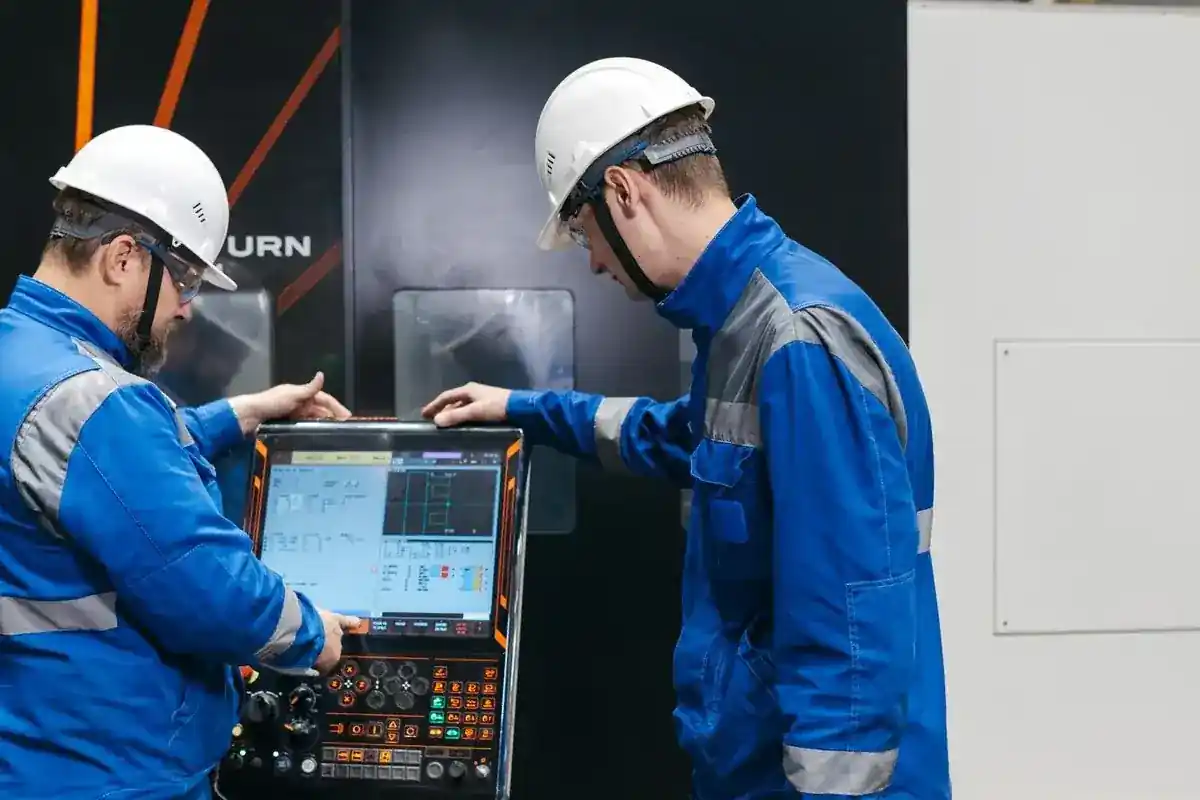
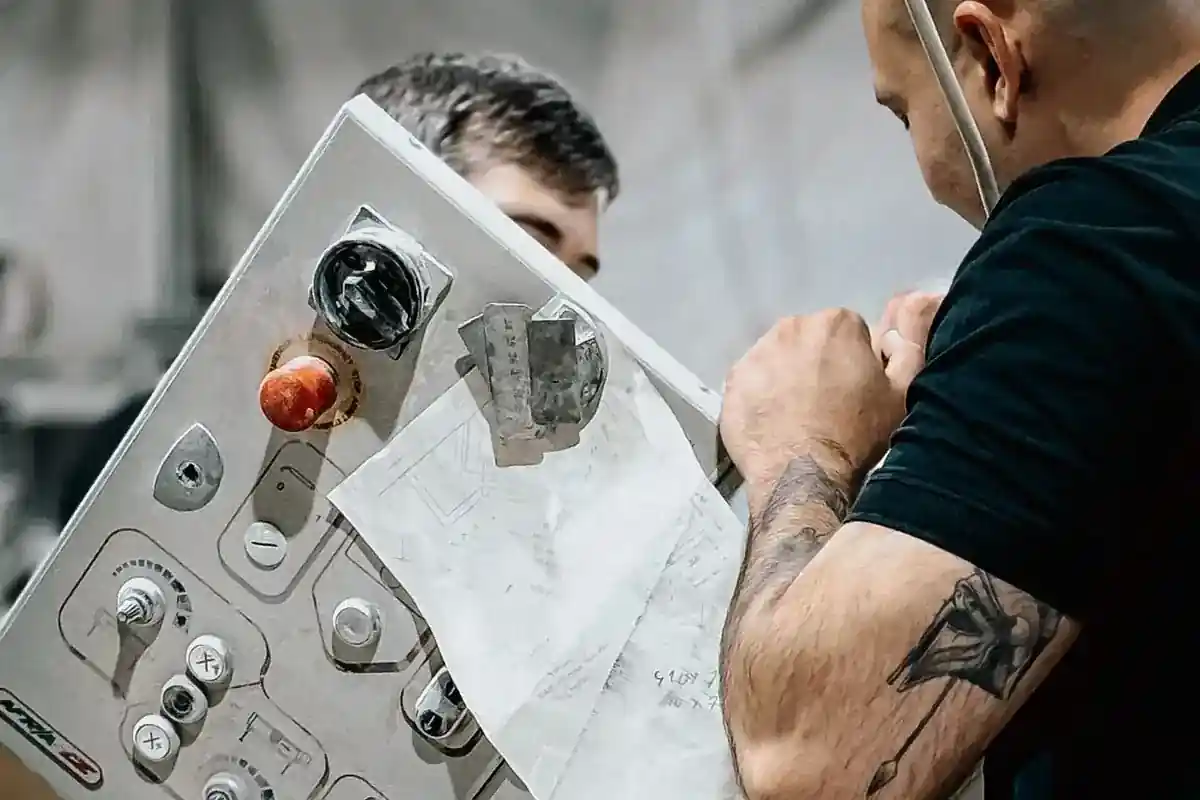
The role focuses on a specific machine or production line. You prepare materials and monitor how the process behaves. Small changes may affect quality, so recording information is important. You only intervene within your instructions and responsibility. Compared with general production work, the focus is more on settings, process behaviour and technical signals.
Keeping the production process and product in step
A machine operator connects material supply, machine behaviour and product quality. A packing line may depend on the correct film, product code and closure; plastics production involves different material and process checks. The job uses approved settings, scheduled inspections and records of waste or downtime. Changeovers require checking components, material and settings before releasing the next production run. Recognising a small deviation matters more than repeatedly clearing an alarm. Cleaning, clearing a blockage or maintaining equipment must follow the appropriate safe system of work for that machine.
What will you do?
- Check the production order, materials and equipment.
- Prepare or change over the machine within your authority.
- Monitor the process and inspect samples or dimensions.
- Record deviations and report or handle faults as instructed.
- Hand over the equipment and workplace to the next shift.
Where will you work?
Jobs exist in plastics, paper, packaging and component manufacturing. Noise, temperature and shifts depend on the process. Guards and operating procedures form part of everyday work.
What does a working day look like?
After handover you review the next batch, check materials and complete the required startup checks. During production you compare output with the standard. Clear fault information helps maintenance respond effectively.
Which skills and experience help?
Technical understanding, concentration and accurate records are useful. Describe the machines, changeovers and quality measurements you know. Operator training can help. Repairing technical faults independently requires different authority from routine operation.
How can you develop?
You can learn several lines or develop in process settings, quality and maintenance. Training may support an all-round role or work with a more complex process.
Your practical experience
Describe a particular line, its product and the format parts you changed. An example of a defective seal, unexpected dimension or abnormal process reading shows more than a machine list. Explain how you identified the affected output and what information you passed to maintenance or quality colleagues.
Practical questions about the trade
What does a machine operator check during a production-line changeover?
A product change may require different material, format parts and approved settings. The work order, product variant and machine preparation must agree. Initial output is checked by the specified method before the run is released. Depending on the product, this might involve dimensions, appearance or closure quality; settings from the previous job should not simply carry over unchecked.
Which product-quality checks belong to a production machine operator?
The product instructions define the checks, such as dimensions, appearance, packaging condition or process readings. Sampling and visual inspection answer different questions and may both be required. Nonconforming output needs clear identification until its disposition is decided. Recording results and times helps the team establish which part of a batch may have been affected by a process deviation.
How should a machine operator respond to a jam or repeated alarm?
Report the product, location, timing and observed machine behaviour rather than only the alarm number. Carry out only the fault-response actions covered by your training and authority. A stopped cycle does not necessarily remove stored energy or prevent movement. Clearing blockages, cleaning and maintenance therefore require the appropriate isolation procedure and technical assistance where the intervention exceeds the operator's role.
More about this occupation
Occupational, training and technical sources relevant to this page.
- SBB / KiesMBO — Mechanisch operator
- SBB — Mechanisch operator A: procesbewaking en kwaliteitscontrole
- SBB — Mechanisch operator: opbouwen, ombouwen en controleren
- INFOdoradca+ — Urządzenia formujące: przezbrajanie i dokumentacja produkcyjna
- IEFP — Operador de máquinas de extrusão
- Lean manufacturing operative - Production Processing/Finishing
- Lean manufacturing operative - Production Processing/Finishing / Skills England
- Maintenance of work equipment - HSE