What does this occupation involve?
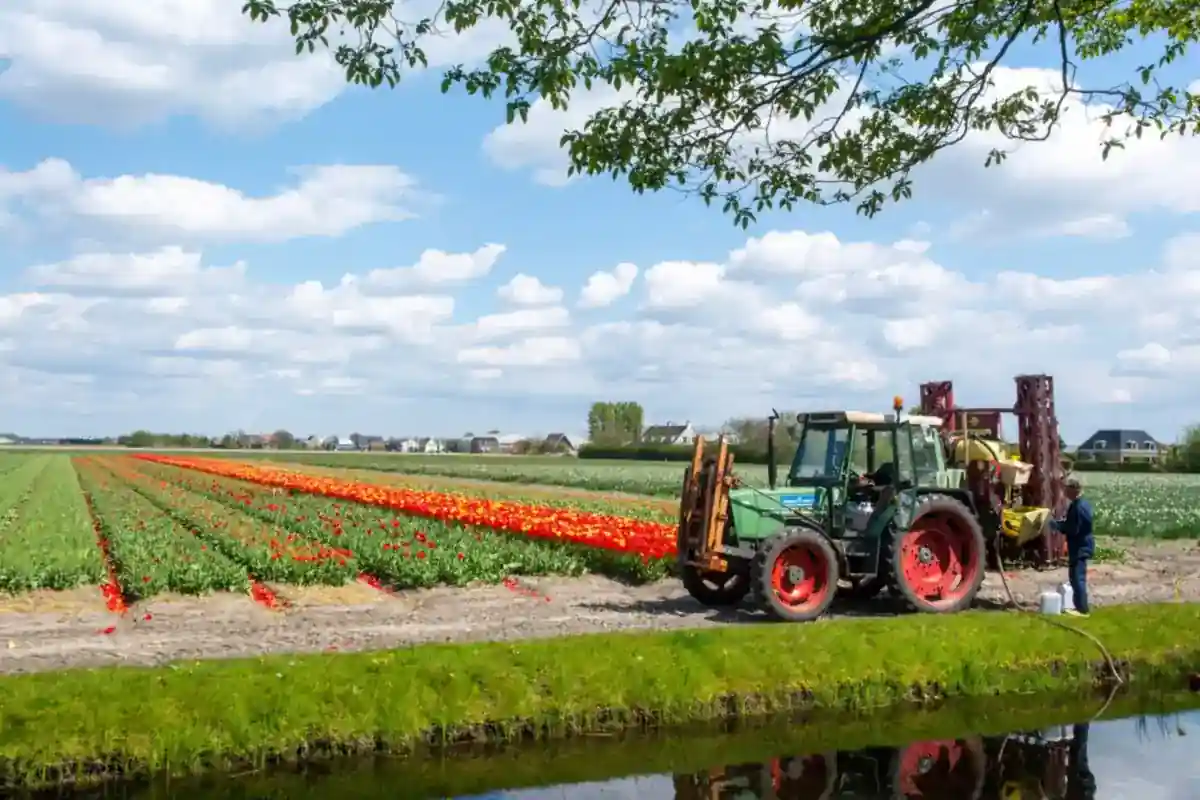
You may drive a tractor with different implements or operate another agricultural machine. The combination of machine, soil and crop determines the working method. You check equipment, follow instructions and coordinate with colleagues in the field. Road use and particular tasks have separate requirements. Discuss your driving qualifications, experience and the actual assignment before starting.
Knowing the implement as well as the tractor
Driving the tractor is only one part of agricultural machine operation. A mower, baler or cultivation implement introduces its own attachment points, power transmission and operating space. Before work, the operator checks the combination for visible damage, leaks, secure attachment and guards. Ground conditions, slopes, visibility and nearby workers shape field operation. Transport requires awareness of the whole combination's size, particularly during turns and reversing. A blockage or unusual noise calls for a safe stop and assessment under the machine's instructions, rather than an improvised intervention around moving components.
What will you do?
- Check the machine, implement and work instructions.
- Carry out assigned fieldwork or site transport.
- Check settings within your responsibilities.
- Coordinate with other machines and workers.
- Report daily maintenance needs and unusual conditions.
Where will you work?
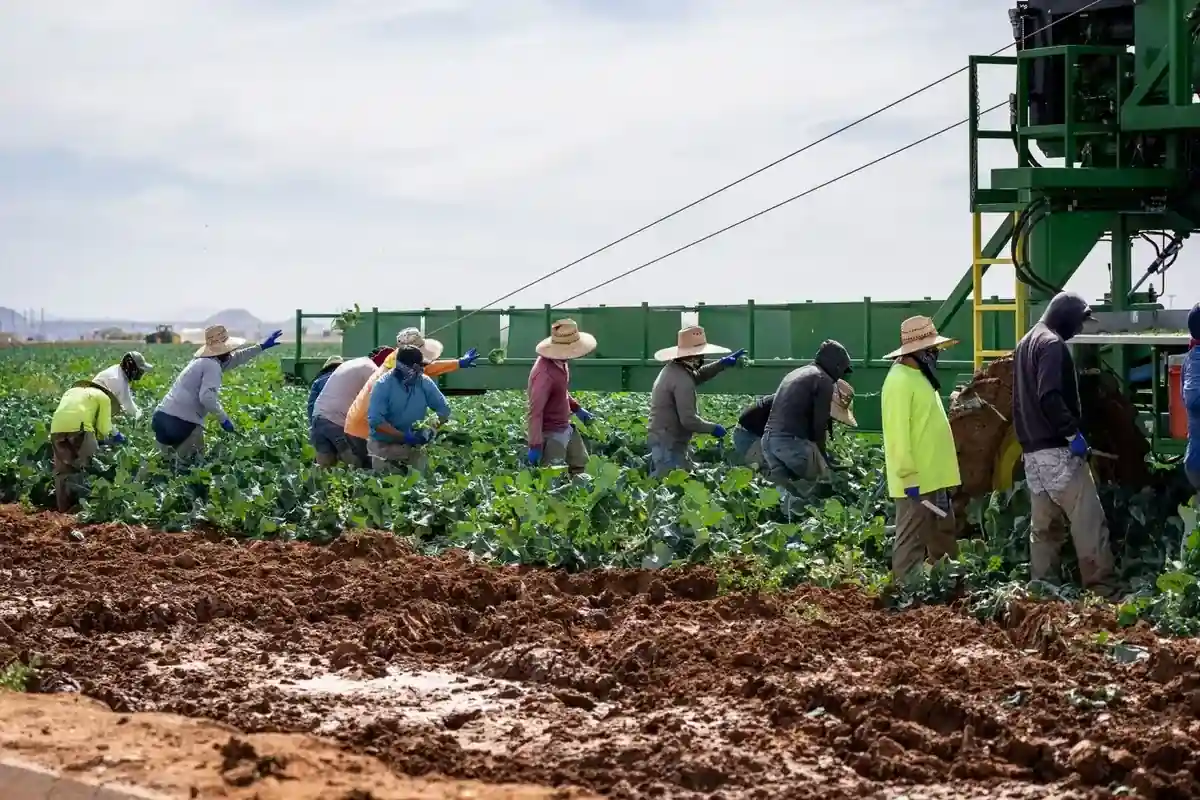
You work outdoors for farms, growers or agricultural contractors. Season, ground conditions and weather can change the schedule. Clear handovers and controlled work matter during busy harvest periods.
What does a working day look like?
You begin with the plan and equipment checks. You perform the assigned field or site work, monitor the machine and report blockages or irregular operation.
Which skills and experience help?
Machine awareness, spatial judgement and agricultural knowledge help. State the tractors, implements and guidance systems you know. Driving, setting up and technically repairing equipment are different experience levels.
How can you develop?
You can specialise in particular harvesting machines, precision farming or contracting work. Broader machinery knowledge increases the variety of assignments you can undertake.
Your practical experience
Describe a specific tractor and implement combination, such as mowing or baling equipment. Identify the attachment work, inspections and daily care you performed. An example involving route planning, communication with nearby workers or recognition of a PTO or hydraulic problem shows the scope of your operating experience.
Practical questions about the trade
Why does a baler operator need more than tractor-driving experience?
The implement brings its own drive system, attachment points, moving parts and operating envelope. Baling therefore requires different knowledge from towing a trailer. The tractor and implement must be compatible and used under the manufacturer's instructions. Relevant experience includes coupling, inspection and recognition of faults as well as steering and controlling the tractor from the cab.
What checks belong before operating agricultural machinery?
The machine's manual sets the specific inspection requirements. General checks include visible damage, attachment security, leaks, guarding and relevant safety devices. Visibility, the planned route and people nearby also matter. A damaged guard or uncertain connection must be addressed before use; an urgent production schedule does not make a defective tractor and implement combination serviceable.
What should an operator do about a blockage in a mower or baler?
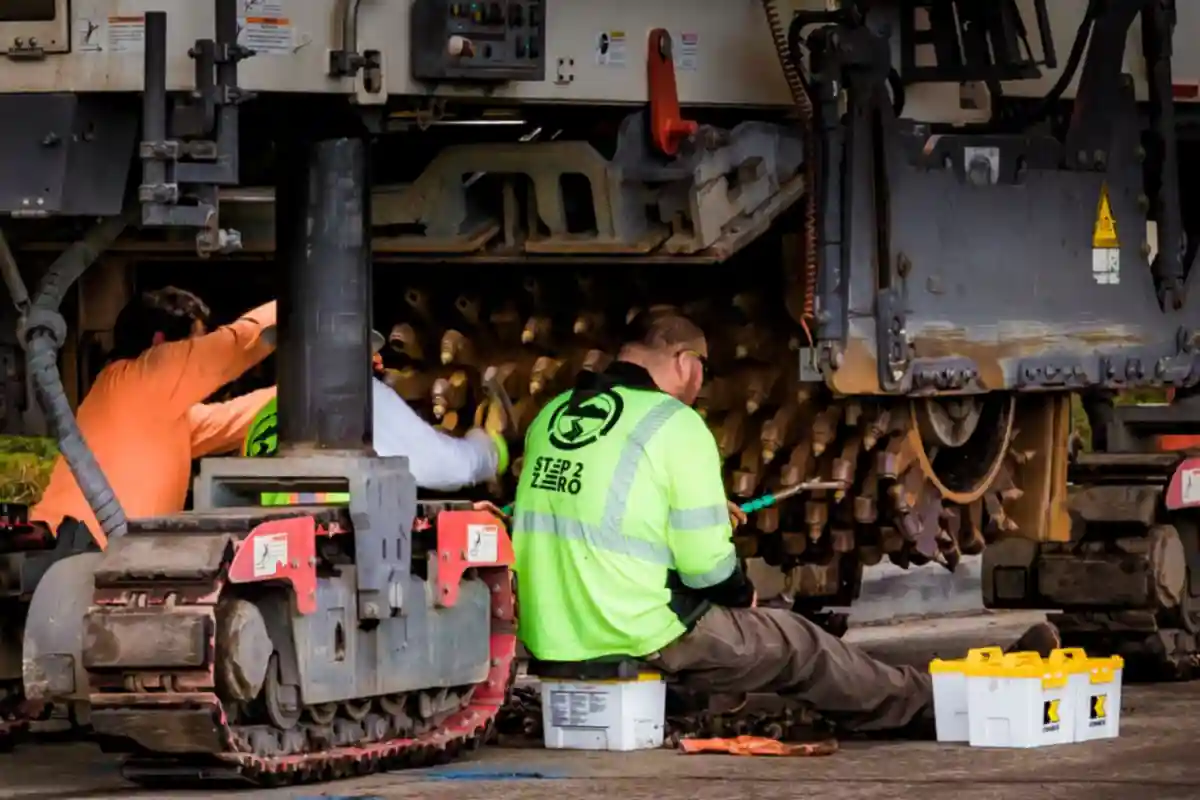
A blockage must not be cleared while dangerous parts are moving or could restart unexpectedly. Stop work and follow the machine-specific isolation procedure before anyone approaches the danger area. Stored energy and raised equipment may also need attention. Repairs outside the operator's training or assigned tasks belong with the designated competent person, followed by the appropriate return-to-service checks.
More about this occupation
Occupational, training and technical sources relevant to this page.
- SBB / KiesMBO — Medewerker teelt
- Trekkers/Tractoren | Arbocatalogus Groen, Grond en Infrastructuur (Loonwerk)
- Aftakas | Arbocatalogus Groen, Grond en Infrastructuur (Loonwerk)
- Rijden en manoeuvreren met trekkers en grote machines | Arbocatalogus Groen, Grond en Infrastructuur (Loonwerk)
- Using machines safely - HSE
- Power take-off (PTO) shafts - HSE
- Jak nie dać się wkręcić? - Kasa Rolniczego Ubezpieczenia Społecznego - Portal Gov.pl
- Using tractors safely: A step-by-step guide