What does this occupation involve?
Arable and outdoor growing work follows the seasons. Duties can include manual crop care, harvest assistance and sorting. Machinery is part of some jobs but not every worker’s role. Crop, soil, weather and the farm’s schedule determine the day. Careful handling helps preserve the quality of the harvest.
Field work changes with soil and harvest condition
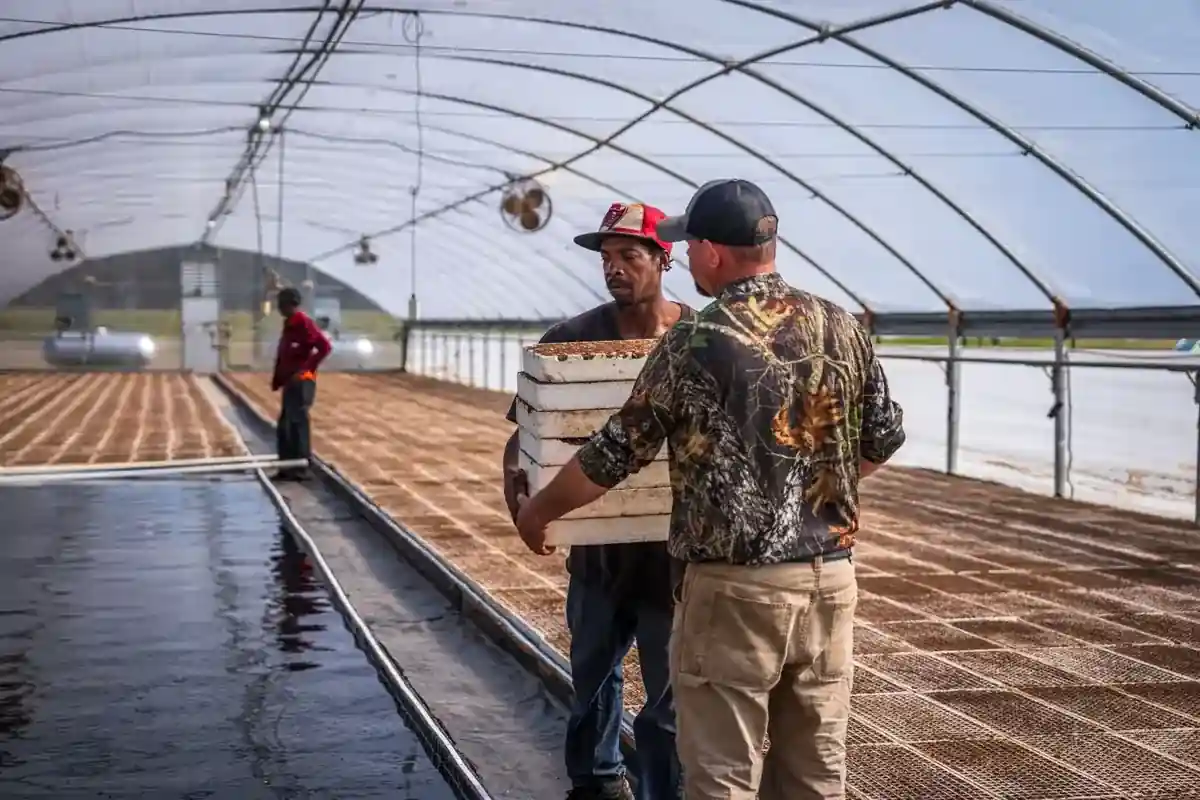
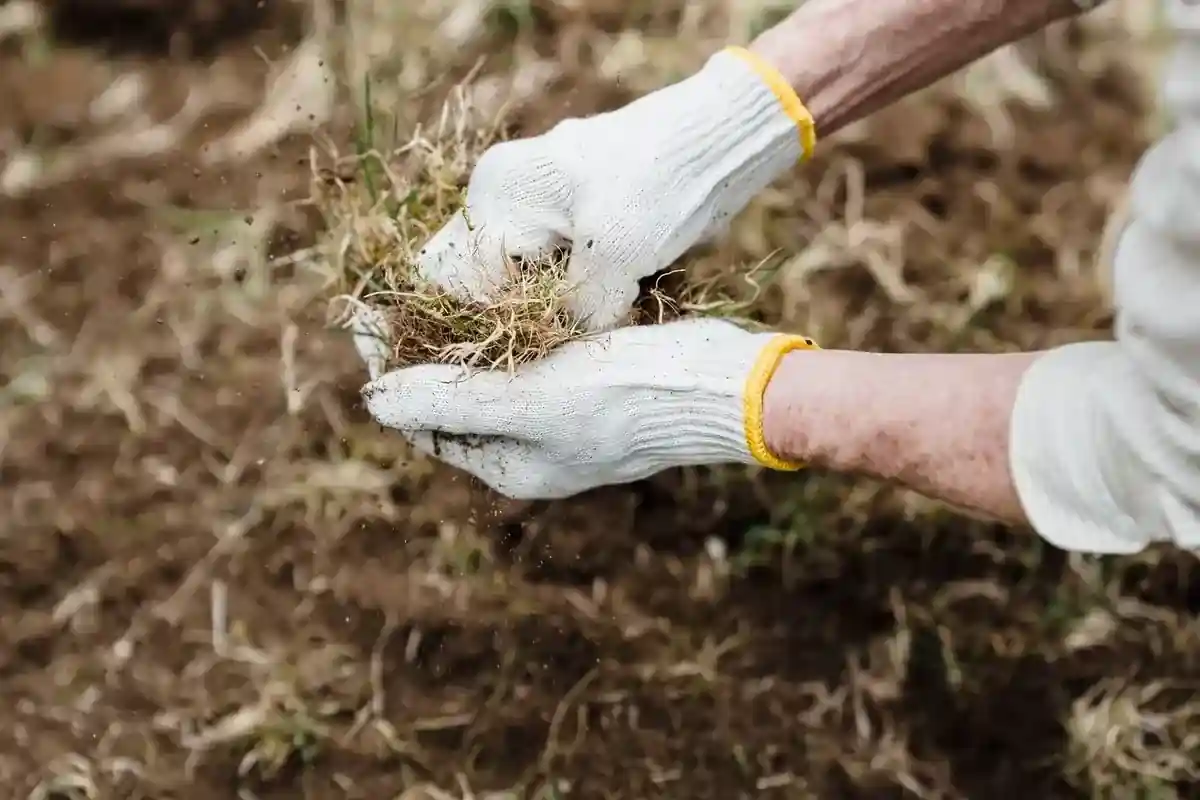
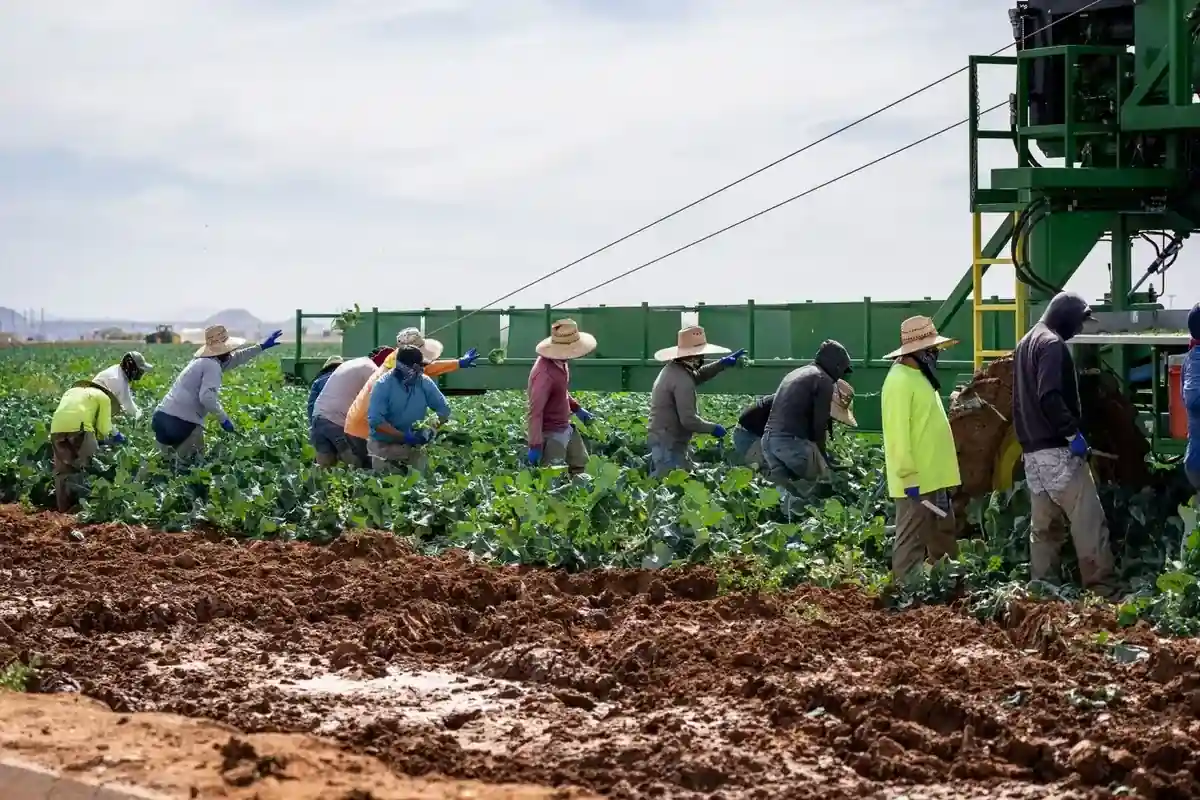
Outdoor crop work changes with the soil, weather and growth stage. Preparing a seedbed, planting, weeding and harvesting each involve different methods. Wet ground or a vulnerable crop can affect where workers and machinery should travel. At harvest, maturity, damage and keeping batches distinct matter; careful removal and suitable storage remain important afterwards. Tools, crates and harvesting equipment need to suit the task and stay clean. Manual crop work is different from driving a tractor or setting a harvester, and those responsibilities need separate instruction and relevant experience.
What will you do?
- Prepare tools and materials for the planned crop task.
- Support planting, care or harvest as instructed.
- Collect and handle produce carefully around the site.
- Sort products and identify damage or quality differences.
- Keep crates, tools and work zones clean and usable.
Where will you work?
You work outdoors and sometimes in sheds or sorting areas. Weather, ground conditions and harvest pressure affect the schedule. Employment may be seasonal; duration and hours belong to a specific job discussion.
What does a working day look like?
The plan is adjusted to the crop and conditions. You join the crew in the field or help handle harvested products. During work you monitor quality and report problems, then prepare equipment for the next stage.
Which skills and experience help?
Outdoor working, careful handling and teamwork are important. Describe the crops and activities you know. Mention tractor or machinery experience separately. Crop protection and specialist machinery require appropriate instruction and sometimes additional authorisation.
How can you develop?
You can develop in a crop, grading or agricultural technology. Experience and training may lead to a broader cultivation role or specific machine operation.
Your practical experience
A seasonal example should name the crop, planting or harvest period and your actual tasks. Explain how you recognised weeds, harvest-ready produce or damage. When machinery was involved, distinguish feeding or sorting work from driving the tractor or harvester, including the checks that were part of your responsibility.
Practical questions about the trade
Why can wet soil change the plan for field crop work?
Soil condition affects access, machinery performance and the risk of damaging soil or crops. The sequence, travel route or equipment may therefore need to change. Workers follow the field instructions and report conditions that differ from the plan. A task that was practical yesterday may require a different approach or postponement after the ground conditions change.
Which quality decisions matter when harvesting field crops?
Harvest instructions define the maturity, size and condition required. Immature, over-mature or damaged produce may need different grading or handling. Clean crates, careful movement and identifiable batches matter too. The job does not end when the crop is cut or lifted: transport and handover need to preserve the achieved quality until the next stage of preparation or storage.
Does manual harvesting count as operating a crop-harvesting machine?
Selecting, cutting and sorting by hand demonstrate different skills from operating or setting machinery. Machine work also involves vehicle control, checks and matching operation to the crop and soil. Describe the precise task performed around the machine. Access, feeding and blockage procedures require specific instruction; experience with one harvesting system does not automatically establish competence on every other type.
More about this occupation
Occupational, training and technical sources relevant to this page.
- SBB / KiesMBO — Medewerker teelt
- SBB — Medewerker teelt: beroep in het kort
- SBB — Medewerker teelt: gewasverzorging en oogst
- ZPE — Prace wykonywane w uprawach
- IEFP — Trabalho agrícola: preparação, cultivo e colheita
- Crop technician - Soil Based Systems Crop Technician / Skills England
- Crop technician / Skills England