What does this occupation involve?
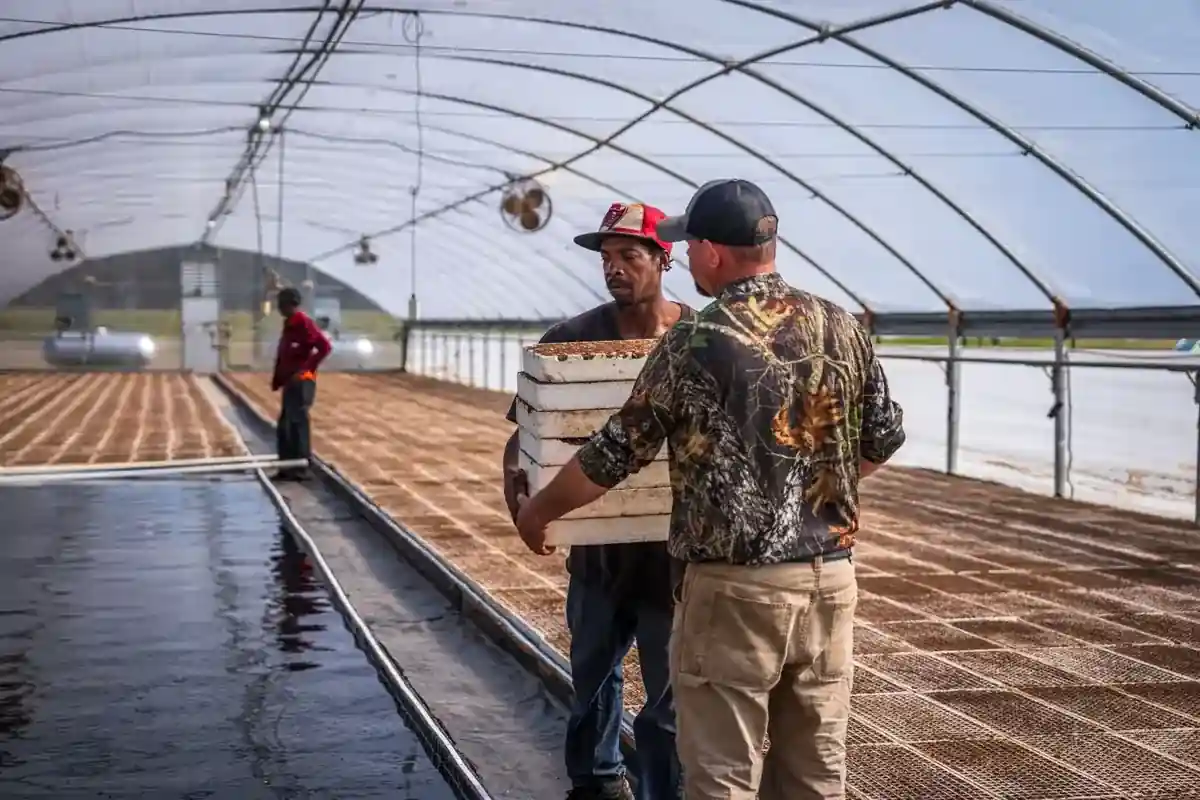
Greenhouses can grow vegetables, flowers or potted plants. Work may include crop care, supporting plants, harvesting and sorting. A tomato crop requires different handling from ornamental plants. Careful work matters because damage can affect both the plant and later production. You follow instructions for the specific crop.
Greenhouse work follows the crop's growth
Greenhouse tasks depend on the crop and its growth stage. Training tomatoes, removing side shoots or carrying out leaf work differs from grading pot plants or harvesting flowers. Instructions define which plant parts to handle and the harvest quality required. Workers also notice damage, unusual growth and possible pest or disease signs, reporting their location. Clean hands, tools and equipment support crop hygiene. Harvest trolleys or pipe-rail equipment require their own instruction. Climate control and applying crop-protection products are separate responsibilities and should not be assumed from harvesting experience alone.
What will you do?
- Prepare plants and materials for the day’s work.
- Carry out crop-care tasks after suitable instruction.
- Harvest products or prepare plants at the agreed stage.
- Check quality and report damaged or unusual products.
- Keep tools and work areas clean as required.
Where will you work?
Work is mainly under glass, where warmth and humidity can differ from outdoors. Tasks may involve standing, walking and reaching. The season and crop determine workload and repeated activities.
What does a working day look like?
The team identifies the section needing care or harvest. You perform the agreed tasks and report changes to an experienced colleague. Sorting, cleaning and preparation for the next day may follow.
Which skills and experience help?
Careful handling, observation and consistent methods are useful. Name the crops and tasks you know. Some duties can be learned at work. Machinery and crop-protection products involve separate instructions and requirements.
How can you develop?
You can learn additional crops or develop in crop care, quality and supporting colleagues. Technical cultivation and greater responsibility may require further training.
Your practical experience
Name the crop and actual operations, such as tomato training and side-shoot removal, cucumber harvesting or plant grading. Explain how you assessed maturity and damage and the hygiene practices followed when changing rows. Experience with a greenhouse trolley or production-recording system should be described separately from crop-handling skills.
Practical questions about the trade
How does tomato greenhouse work differ from work with pot plants?
Plant form, growing system and the intended product determine the operations. A trained fruiting crop may need tying, side-shoot removal and leaf work, while pot-plant work may emphasise care and grading. Growth stage also affects the correct intervention. Experience with one crop is useful, but instructions for another crop remain necessary rather than assuming the same handling applies.
How does a greenhouse worker assess which products are ready to harvest?
Harvest criteria are set for the crop and market, potentially including maturity, colour, size and visible damage. Handling should protect both the harvested product and the plant remaining in production. Products outside the agreed grade stay identifiable for the specified sorting process. Working quickly is useful only when the harvested quality matches the task and subsequent preparation requirements.
What should a greenhouse worker do about unusual leaves or possible pests?
Report the observation with a clear row or location and describe what is visible, without choosing a treatment independently. Hygiene around tools, hands and movement helps limit unwanted spread. Recognising and reporting symptoms is different from making a diagnosis or applying crop protection. Further handling of plants and materials follows the growing site's instructions and responsibilities.
More about this occupation
Occupational, training and technical sources relevant to this page.