What does this occupation involve?
The work differs between passenger cars, commercial vehicles and heavier equipment. You inspect wear, damage and the job card before starting. Removing, fitting and balancing tyres are common duties. Wheel alignment or particular vehicle systems may be separate parts of the position. Seasonal tyre changes can make the workshop busy, but checks and instructions remain important for every vehicle.
Fitting, balancing and TPMS need separate checks
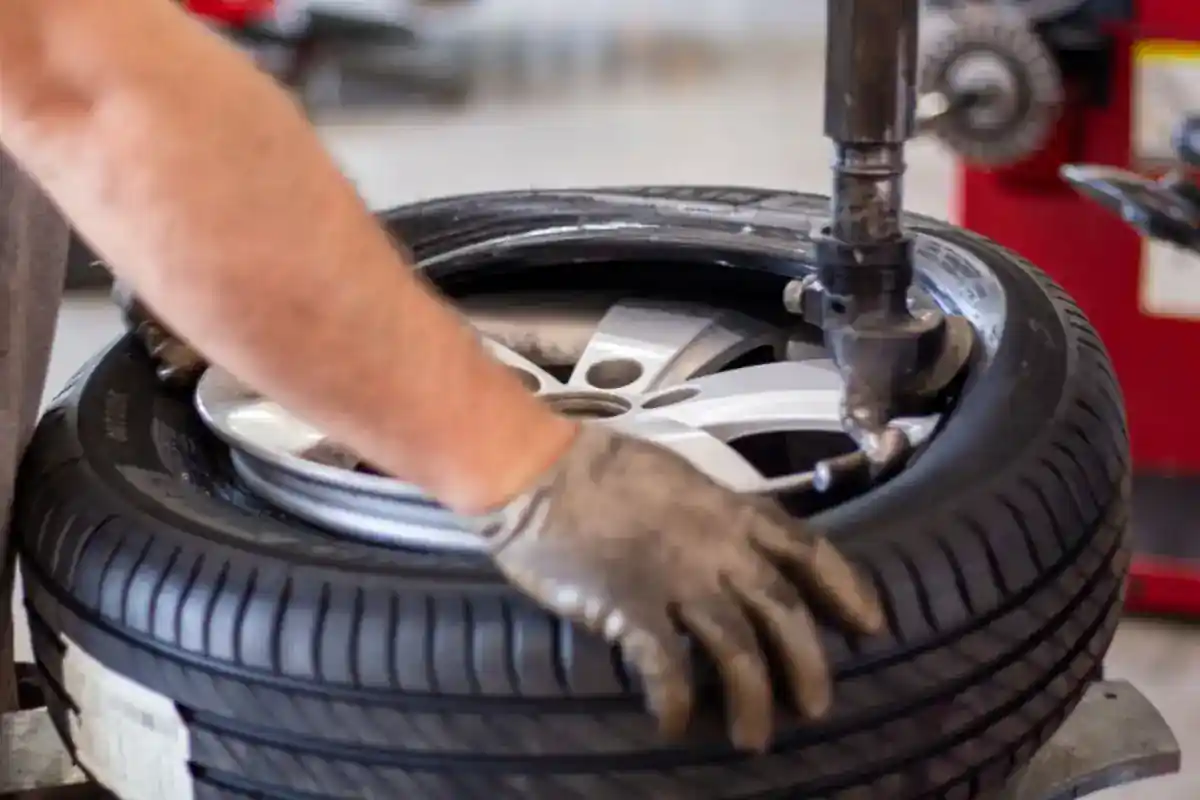
A tyre fitter checks the tyre's suitability for the vehicle and rim, together with valve condition, wear and any direction markings. Fitting and removal require appropriate equipment and care of the tyre and wheel. Balancing corrects mass distribution within the assembly; alignment concerns suspension geometry. TPMS sensors and vehicle-specific checking procedures add another consideration. A damaged rim or uneven wear is not necessarily solved by fitting a new tyre. Passenger-car experience should also be distinguished from work on large plant tyres or multi-piece wheels.
What will you do?
- Check tyres, wheels and the job card.
- Remove wheels and tyres using suitable equipment.
- Fit and balance the specified tyres.
- Check installation and pressures against vehicle instructions.
- Record completed work and report unusual findings.
Where will you work?
You work in a tyre centre, garage or service workshop. Much of the work is standing and involves lifting or using handling aids. Mobile service also depends on conditions around the vehicle.
What does a working day look like?
You check the vehicle and prepare the correct tyres. After the change or repair, you inspect the result. Unusual wear or damage is reported to the responsible colleague.
Which skills and experience help?
Care, practical understanding and confidence with tools are useful. Describe the vehicle types and equipment you have used. Truck tyre work and wheel alignment experience are assessed separately.
How can you develop?
You can train in alignment, specialist tyre services or heavier vehicles. With experience, you may help train a colleague or organise the flow of work.
Your practical experience
Describe a tyre change involving unusual tread wear, rim damage or a TPMS warning. Explain what you inspected and whether balancing, alignment or further investigation was needed. Name the fitting equipment and vehicle categories you actually handled, including any limits to that experience.
Practical questions about the trade
How does wheel balancing differ from wheel alignment?
Balancing corrects uneven mass distribution in the tyre and rim assembly, usually with balance weights. Alignment concerns the geometry of the vehicle's suspension. Vibration and uneven wear may prompt investigation, but they do not automatically identify the same cause. The fitter assesses the wheel and vehicle information before choosing the appropriate work.
What does a tyre fitter check before installing a replacement tyre?
The tyre must suit the vehicle and rim and meet the specified characteristics. Rim and valve condition and relevant fitting markings, including direction of rotation, also matter. Work uses suitable equipment and manufacturer information. Large tyres or multi-piece wheels may require different methods and additional competence beyond routine passenger-car tyre fitting.
Why does TPMS matter during a tyre change?
Some tyre-pressure monitoring systems use sensors at the wheels. Fitting must take these components into account, and a vehicle-specific check or learning procedure may be needed afterwards. TPMS does not replace physical tyre, wheel and pressure checks. Recognising a system, reading it and replacing or programming a sensor also represent different levels of work.
More about this occupation
Occupational, training and technical sources relevant to this page.
- SBB / KiesMBO — Mobiliteit en transport
- SBB / KiesMBO — Service en onderhoud werktuigbouw
- Basis Banden en wielen - Mijn bandenbaan | VACO
- Functie: Basis technicus onderstel (lichte voertuigen)/ Monteur (personenwagen)banden 30.20
- c. przy montażu nowych opon każdorazowo należy montować nowy zawór (w przypadku nowych opon dętkowych należy również założyć nową dętkę, o rozmiarze dostosowanym do opony);
- FAQ Opony motocyklowe | Znajdź odpowiedź | Michelin
- Montar pneus no seu carro | Michelin
- Alinhamento e equilibragem de rodas | MICHELIN
- Fast fit technician | Explore Careers
- Wheel alignment, wheel balancing | MICHELIN
- Michelin | Montaż i demontaż opon do maszyn budowlanych, przemysłowych i górniczych