What does this occupation involve?
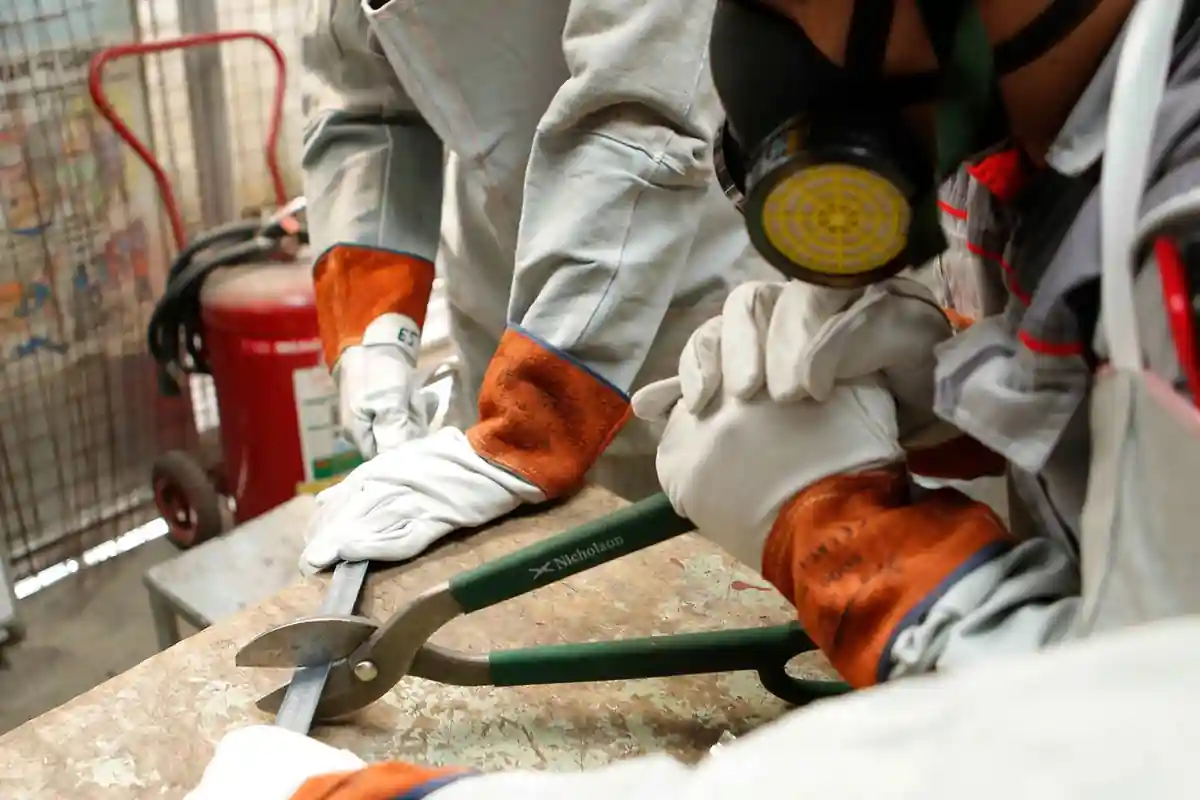
Together with the workshop, you establish which parts can be repaired and which need replacement. Tasks may include dismantling, metal shaping, joining and reassembly. Materials and manufacturer instructions determine the method. Vehicle painting is often a separate next step. The focus is the body and the fit of components, with attention to sensors and other systems around the repair area.
Material and geometry guide the body repair
A body repairer identifies the damaged areas and the materials involved before selecting a repair method. A dent in an outer panel differs from deformation in a structural member. Vehicle-maker information determines what can be straightened, repaired or replaced. Welding, adhesive bonding and mechanical fastening are not freely interchangeable. During assembly, dimensions, panel alignment and gaps need checking. Handover to paint preparation also requires a suitable surface and clear information about the repair, so a smooth appearance does not hide unfinished structural or fitting work.
What will you do?
- Review the damage and planned repair method.
- Remove components carefully and keep them organised.
- Repair or replace body sections within the assignment.
- Adjust panels, gaps and connections for correct fit.
- Check the repair before further finishing.
Where will you work?
You work in a body repair business or specialist workshop. You coordinate with paint preparation staff, spray painters and other technicians. Different vehicle models and materials add variety.
What does a working day look like?
The day begins with the repair order and parts check. You dismantle as required, complete the repair and inspect the fit. You then provide a clear handover to the next colleague.
Which skills and experience help?
An eye for shape, material awareness and accurate assembly help. State your experience with dent repair, alignment, steel, aluminium or particular joining methods. New vehicle systems may require additional training.
How can you develop?
You can progress into complex repairs, specialist materials or quality control. Experienced repairers may also contribute to technical damage assessment.
Your practical experience
A useful example covers a door, quarter panel or structural component repaired to an identified method. Describe the material, damage assessment, joining process and checks of dimensions and fit. Explain what was ready for paint preparation and what information accompanied the vehicle.
Practical questions about the trade
When does a body repairer repair a panel instead of replacing it?
The decision depends on the material, the component's function, the damage and vehicle-maker instructions. An outer skin and a structural member need different assessment. In particular, familiar straightening methods cannot automatically be applied to modern high-strength materials. The permitted repair route must be established before work starts on the damaged component.
Why do vehicle body repairs use welding, bonding and riveting?
Vehicle bodies combine different materials and joint designs. Repair methods must suit the construction and the instructions for that component. Welding, structural adhesive bonding and mechanical fastening each require appropriate preparation and quality checks. Competence in one joining process is valuable, but it does not make that process suitable for every panel or material combination.
What does a body repairer check beyond removing the visible dent?
Dimensions and fit need to agree with the surrounding bodywork. Checks include panel gaps, attachments and the operation of refitted components. The joining work and surface condition also matter before finishing. A smooth-looking panel alone does not demonstrate correct geometry or establish the quality of the complete repair after collision damage.
More about this occupation
Occupational, training and technical sources relevant to this page.
- SBB / KiesMBO — Mobiliteit en transport
- SBB / KiesMBO — Productietechniek
- Opleiding Eerste Autoschadehersteller
- MEN — currículo profissional de blacharz samochodowy
- Vehicle body repairer | Explore Careers | National Careers Service
- Always Follow Vehicle Maker Procedures
- Bonding and Mechanical Fastenings - AOM133