What does this occupation involve?
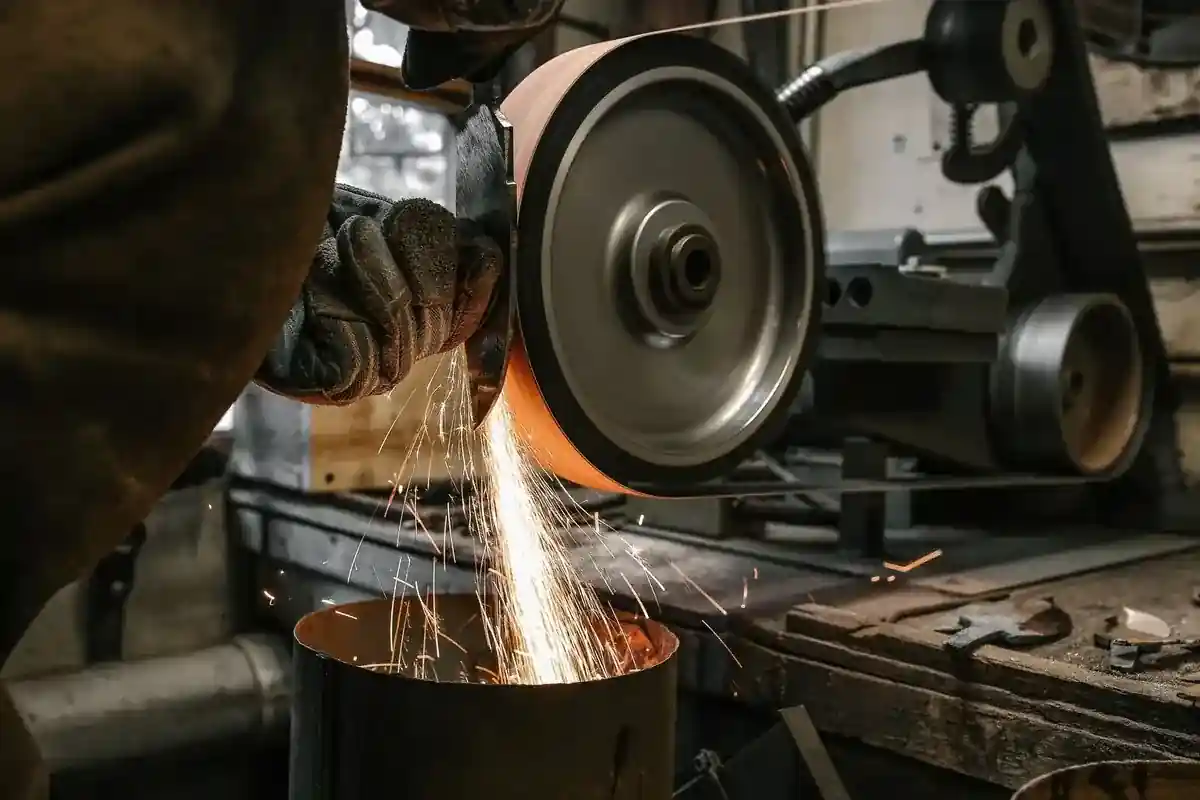
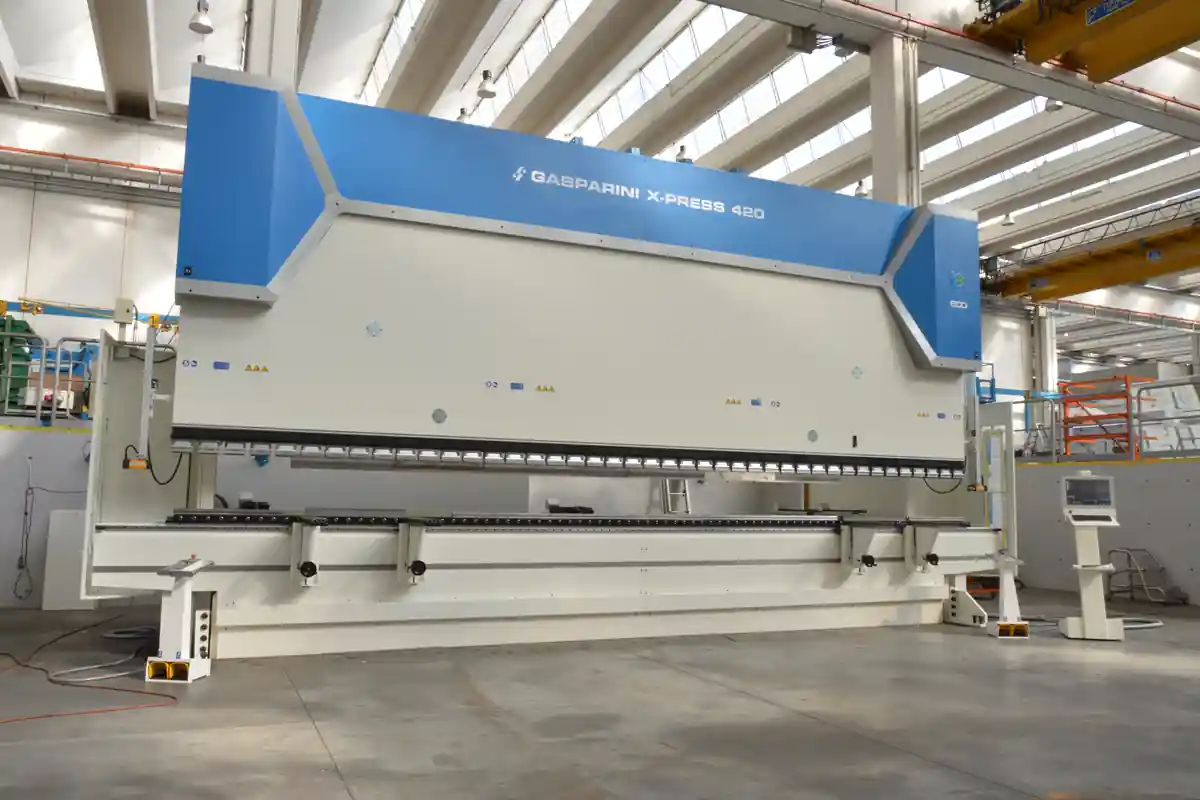
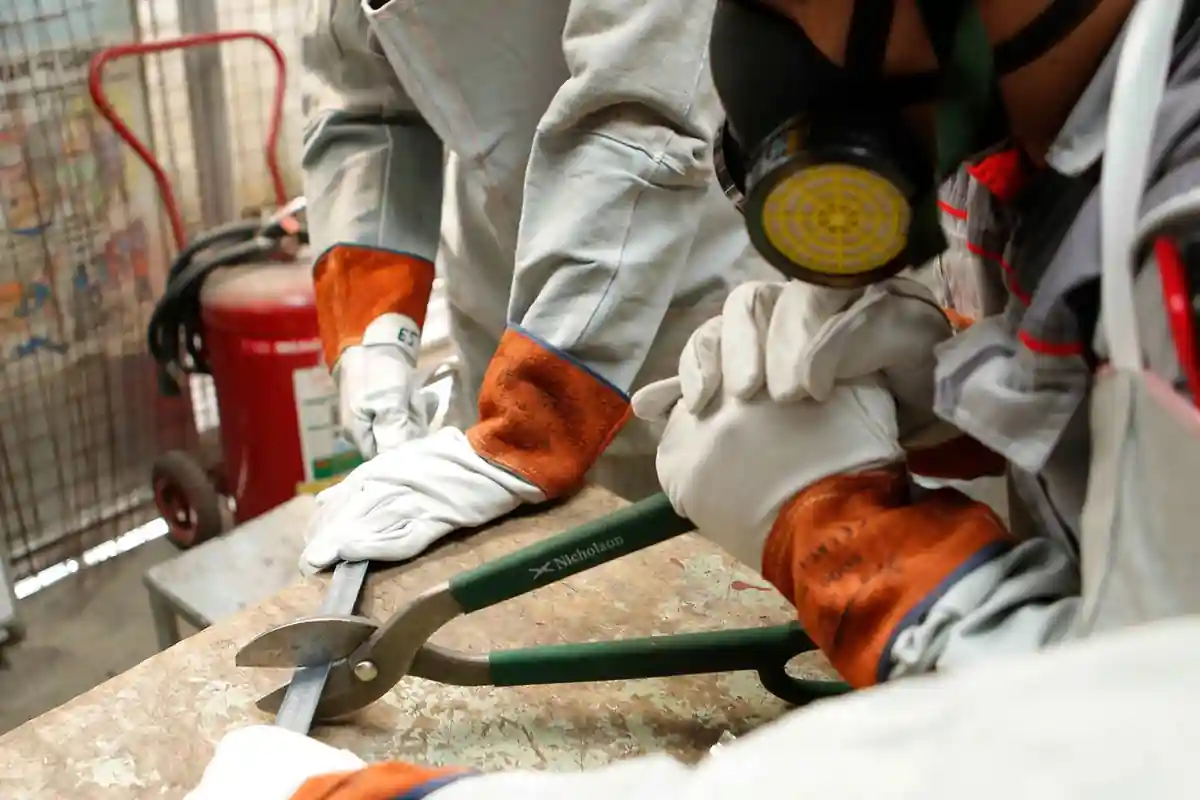
The drawing and material properties determine the work. Thickness, bending direction and cut-outs affect the manufacturing sequence. Depending on the role, you may operate cutting, punching or bending equipment, or focus on assembly and finishing. Press brake operation is a common specialism. Industrial sheet metal work differs from vehicle body repair, where existing automotive panels are restored.
Sheet metal needs planning beyond the next bend
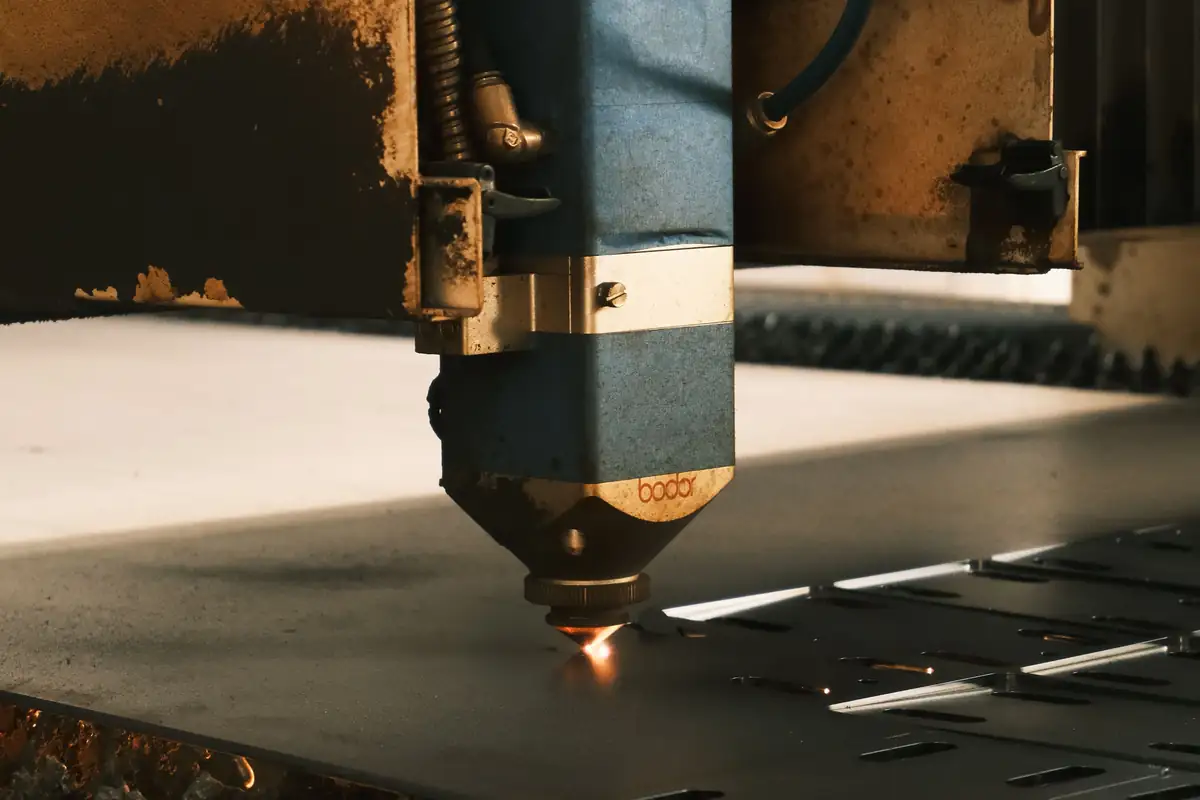
A sheet-metal worker turns a flat development into a component that fits. Material, thickness, bend radius and bend sequence influence finished dimensions. A correctly cut blank can still fail after bending if its development or springback was assessed incorrectly. Depending on the role, work may include shearing, laser cutting, punching, deburring, bending and assembly; not every job covers every machine. First-off checks establish angles, flange dimensions and hole positions. Surface protection matters for coated or visible parts. Tooling and settings must match the instructions and the machine's capabilities.
What will you do?
- Check drawings, material type and sheet thickness.
- Prepare sheets and workpieces for processing.
- Cut, bend or form parts within the assignment.
- Finish edges and assemble components.
- Measure angles, dimensions and surface quality.
Where will you work?
You usually work in a metal workshop, machine factory or manufacturing supplier. Jobs may range from individual components to larger batches. Standing work and handling sheet material are common parts of the environment.
What does a working day look like?
You check the job and first components before continuing a batch. Regular measurements help identify variation. You discuss problems before another operation makes them difficult to correct.
Which skills and experience help?
Careful measurement and technical understanding matter. State which machines, metals and thicknesses you know. Independently setting up a press brake requires different experience from loading parts and checking output.
How can you develop?
You can specialise in bending, complex fabricated products or machine setup. Experienced workers may also help improve the manufacturing sequence and assess how parts can be made.
Your practical experience
A cabinet panel, cover or bent bracket makes a clear example. State the material, thickness and machine, distinguishing programming, setting and operating responsibilities. Describe an angle or flange check and how you dealt with springback or tool marks. Separate one-off fabrication from repeat production of an established part.
Practical questions about the trade
Why must a sheet-metal blank match the planned bends?
The flat development needs to account for material in bends as well as straight sections. Forming changes the relationship between flat and finished dimensions. Development, material, thickness and intended geometry must therefore agree. An incorrect blank cannot always be corrected at the press brake; checking the first formed component helps prevent the same error continuing through the production batch.
What does springback mean when bending sheet metal?
After the bending force is removed, the sheet can recover partly, changing the finished angle from its loaded position. Material and bending process influence this behaviour. The operator checks the formed angle under the work instruction and uses only authorised corrections. A setting from another material or a previous batch is not a substitute for inspecting the current component.
What should be checked on a sheet-metal part after cutting and bending?
Compare specified dimensions, holes, angles and mating surfaces with the drawing. Also look for burrs, damaged coatings and tool marks unacceptable for the required finish. Bend order can affect access for later operations. The first component must therefore do more than meet its overall dimensions: it must remain suitable for assembly and the next manufacturing stage.
More about this occupation
Occupational, training and technical sources relevant to this page.