What does this occupation involve?
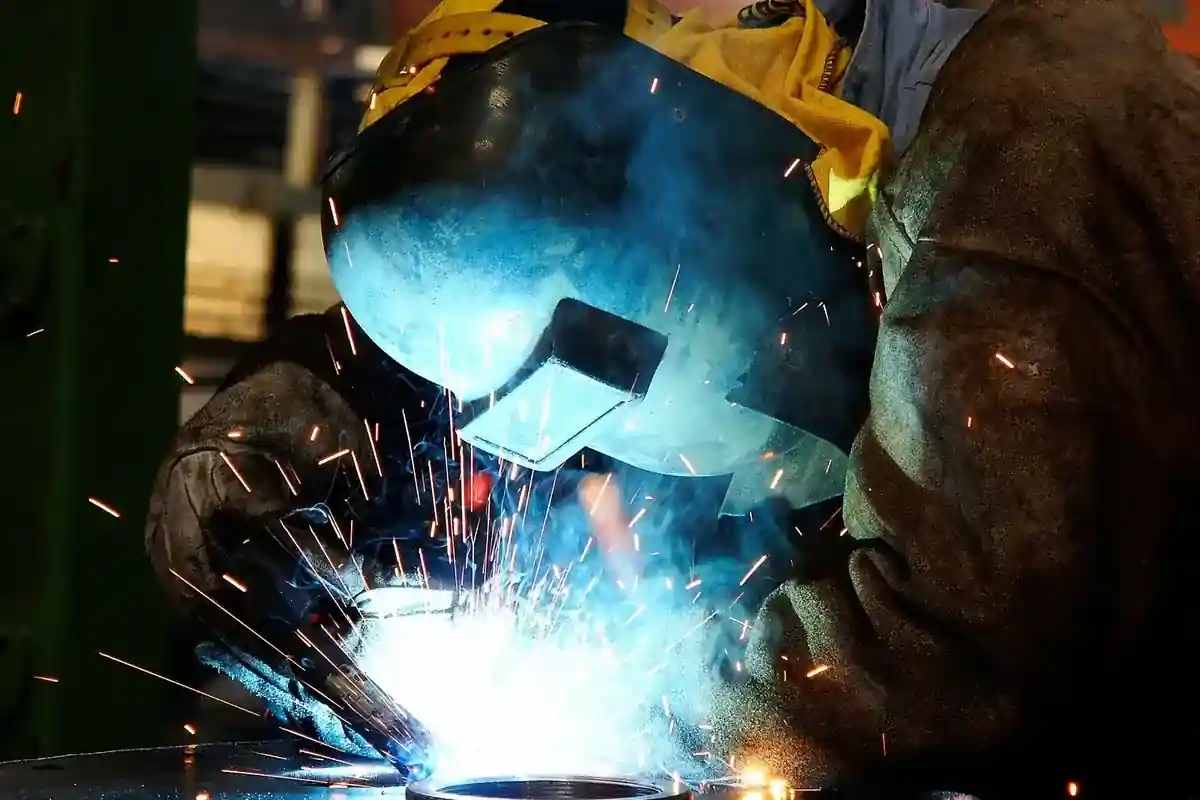
The work often sits between preparation and final installation. You cut or drill sections, fit components and assemble them. Welding may be included, but welding skills and certificates are assessed separately. Good fabrication also considers the sequence: parts must remain accessible for welding, fixing and later assembly.
Turning stock material into an assembly that fits
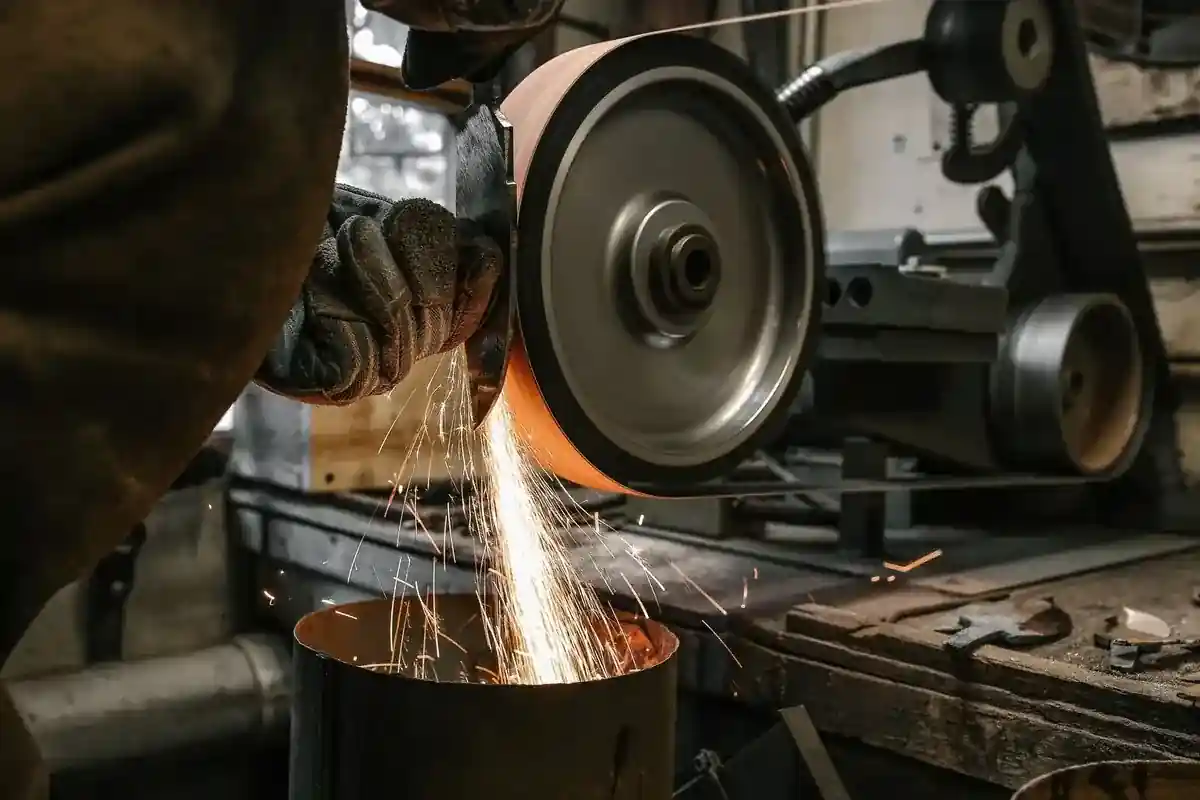
A metalworker makes components from sheet, tube or sections and brings them together into a useful product. Drawings define material, dimensions, holes and connections. Marking out, cutting, drilling, deburring and fitting need a sensible sequence: a neat weld cannot correct a misplaced hole. Squareness, position and fit are checked before connections become permanent. Carbon steel, stainless steel and aluminium require suitable tools and working arrangements. This broad occupation does not automatically include every welding process, CNC operation or structural installation task; experience should identify the techniques actually used.
What will you do?
- Read drawings and check materials, quantities and dimensions.
- Mark, cut, drill or otherwise prepare parts within your duties.
- Fit, align and assemble components using suitable equipment.
- Check dimensions and connections before the next process.
- Finish, identify and hand over prepared components.
Where will you work?
Most work is in metal workshops or machinery manufacturing, sometimes with site installation. You coordinate with welders, machinists and installers. Heavy components and sharp edges require an organised workplace.
What does a working day look like?
You gather parts from the drawing, prepare anything not yet to size and assemble the structure. Regular checks stop small errors spreading through the whole product. It then moves to welding, finishing or installation.
Which skills and experience help?
Spatial awareness, drawing interpretation and accurate measurement help. Describe the materials and equipment you know, and distinguish assembly from welding. Trade training and concrete examples of practical work both demonstrate your experience.
How can you develop?
You can develop in complex assembly, specialist metalworking or machinery installation. Additional welding or measurement training can broaden your skills.
Your practical experience
A frame, bracket or machine component makes a useful example. Describe the stock material, how you worked from the drawing and the cutting, drilling or fitting involved. Include checks with a square, caliper or tape, and distinguish connections you completed yourself from work handed to another specialist.
Practical questions about the trade
Why does marking out matter before cutting and drilling metal?
Marking out transfers the drawing onto the material and establishes cuts, holes and connection positions. References and dimensions must agree. Check the stock and drawing revision before irreversible work begins. Finding an error early avoids discovering only during assembly that components cannot fit together. The checking method needs to suit the accuracy required for the product and its function.
How does a metalworker check the fit of a frame or bracket?
The drawing identifies important dimensions, positions and angles. During fitting, these are checked with appropriate instruments or assembly aids, such as a square or measuring tool. Burr-free mating surfaces and correct hole positions also matter. Permanent connections follow the agreed sequence and inspection, so that a tidy exterior does not conceal incorrect geometry or components that do not meet properly.
Which skills should a metalworker describe separately from general fabrication?
Cutting, drilling and assembling experience does not identify the welding process or machine someone can use. Specify the material, manual or machine operation and connection type. Welding, CNC machining and site installation can each involve additional competence. A particular product, with your contribution to preparation, joining and inspection, describes that scope more clearly than the job title alone.
More about this occupation
Occupational, training and technical sources relevant to this page.
- SBB / KiesMBO — Productietechniek
- SBB — Constructiewerker: voorbereiden en uitvoeren
- SBB — Constructiewerker: beroep in het kort
- Przykładowe techniki obróbki ręcznej - Obróbka skrawaniem - zpe.gov.pl
- CENFIM — Operações de serralharia e controlo dimensional
- FABRICAÇÃO e MONTAGEM de ESTRUTURAS METÁLICAS — Tipo 2 - Nível 2
- Structural steelwork fabricator
- Structural steelwork fabricator / Skills England