What does this occupation involve?
Welding is used in workshops, machinery manufacture and steel construction. TIG and MIG/MAG are different processes with different applications. Experience in one does not automatically qualify you for the other. Material, thickness and welding position also matter. A role may include preparing parts, assembling and checking them against a technical drawing.
Describe the weld, the material and the position
A welder’s work starts with the joint shown on the drawing and the applicable welding instruction. TIG uses a non-consumable electrode with separate filler when needed; MIG and MAG feed consumable wire and differ in shielding gas. MAG experience on structural steel is distinct from TIG work on thin stainless tube or MIG welding of aluminium. Edge preparation, cleanliness, fit-up and tacking affect both weld quality and finished dimensions. The welder checks the work against the specified criteria, while any additional examination follows the quality plan for that component. Flat, vertical and overhead welding each demand their own handling skill.
What will you do?
- Read drawings and work instructions and gather components.
- Prepare, position and tack parts as required.
- Weld with the agreed process within your demonstrated skills.
- Check dimensions and the visible result and report deviations.
- Use tools, extraction and workplace protection as instructed.
Where will you work?
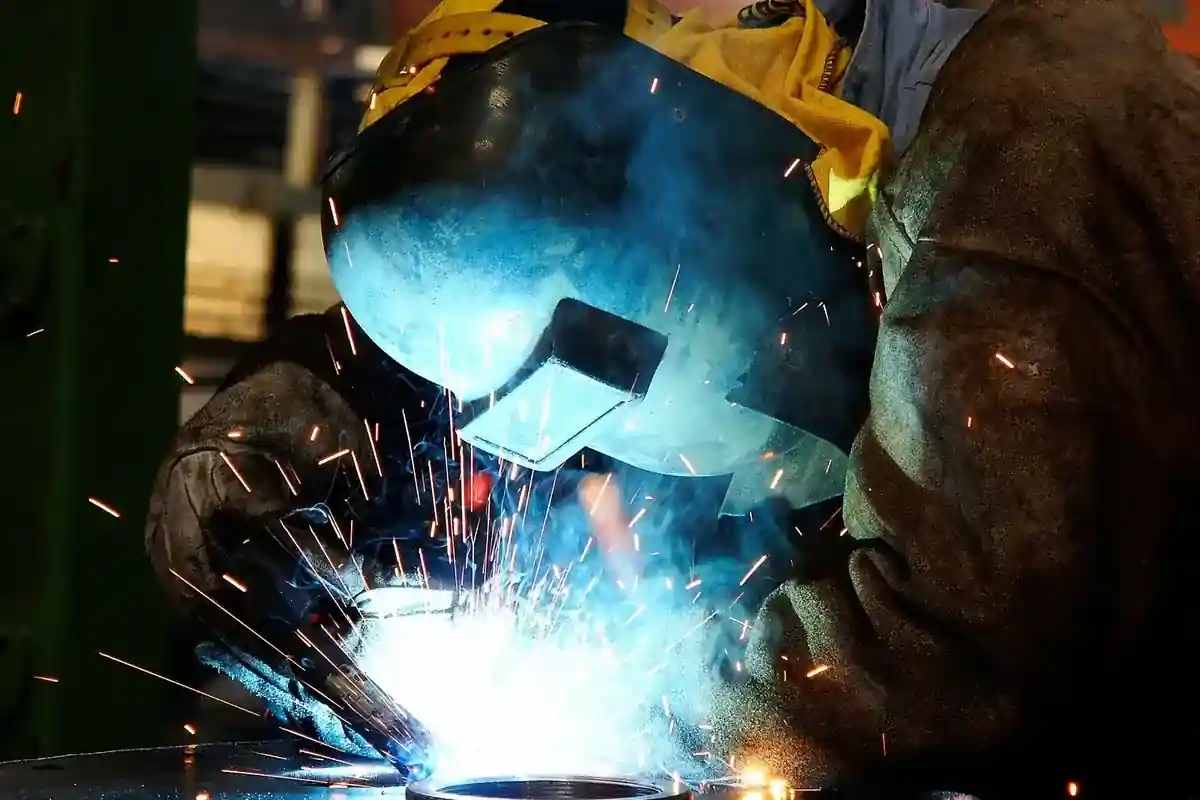
Most jobs are in a production workshop, although site installation is possible. Heat, sparks, fumes and nearby people require suitable protection, screening and extraction.
What does a working day look like?
You review the parts and drawings, prepare and assemble components, then carry out the welding. Checks during the process help catch problems before the whole assembly is complete.
Which skills and experience help?
A steady hand, technical understanding and accuracy are valuable. Describe the processes, materials, thicknesses and positions you know. Mention welding certificates where applicable, while recognising that a certificate does not cover every assignment. Requirements and any practical assessment are job-specific.
How can you develop?
You can specialise in a process, material or quality level. Complex fabrication, robotic welding or further responsibility for checking and supporting colleagues are other possibilities.
Your practical experience
A useful example identifies the process, parent metal, plate or pipe and welding positions actually used. Explain whether you assembled from drawings, prepared joints, tacked components and checked weld dimensions. For a weld test, describe the joint and documented qualification range instead of claiming unrestricted approval.
Practical questions about the trade
What does TIG, MIG or MAG experience tell an employer?
TIG uses a non-consumable tungsten electrode, with filler added separately where needed. MIG and MAG use fed wire; MIG employs inert shielding gas and MAG active gas. The welding instruction determines the suitable process and consumables. Material and joint details still matter, so describe carbon steel, stainless steel and aluminium experience separately rather than treating every process as interchangeable.
Why do drawings and fit-up matter before a welder strikes an arc?
The drawing sets out the component geometry, dimensions and welding symbols. The welding instruction supplies the relevant execution details. Clean joint faces, suitable edge preparation, alignment and tacking help produce the specified joint and control dimensional problems. A neat bead cannot correct incorrectly assembled parts, so these checks belong before welding as well as during final inspection.
Does passing a weld test qualify a welder for every position?
A qualification has a defined range, related to variables such as process, material, joint type, dimensions and welding position. The test demonstrates acceptable performance within that framework. Its document and validity conditions need checking against the intended work. Course completion and a production qualification are different evidence; neither should be presented as automatic approval for every welding assignment.
More about this occupation
Occupational, training and technical sources relevant to this page.
- SBB / KiesMBO — Productietechniek
- Examentekeningen - Nederlands Instituut voor Lastechniek
- Indeling en benaming van lasprocessen - Nederlands Instituut voor Lastechniek
- NIL – TIG-lassen: opleidingsinhoud, lasposities en beoordeling
- Oferta pracy - Specjalista w Grupie Badawczej Technologie Spawalnicze
- Soldadura TIG em Aço Inox - ISQ Academy
- Qualificação de soldadores e operadores de soldadura - ISQ Portugal
- Tungsten Inert Gas Welding - TWI
- What is surface preparation for joining? - TWI
- Welding Procedure - TWI
- Application Standards, Codes of Practice and Quality Levels