What does this occupation involve?
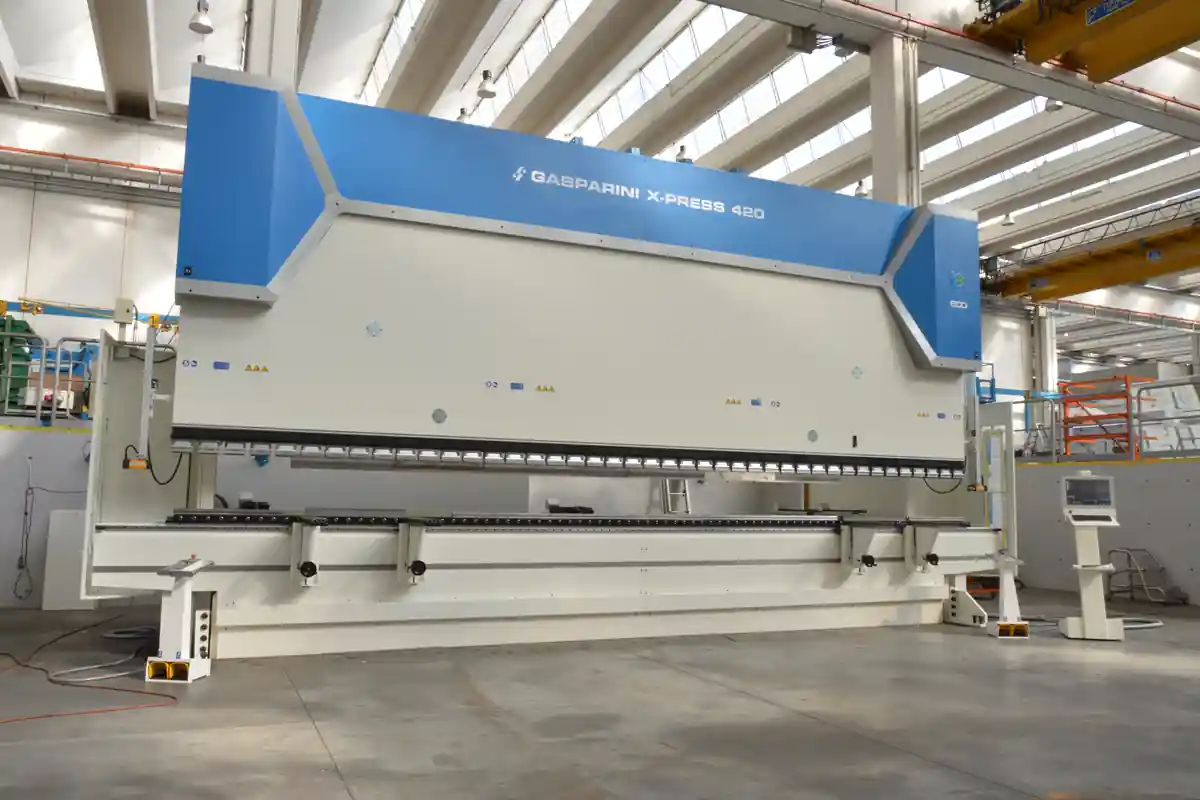
Press braking transforms a flat sheet into a shaped part through controlled bending. Tooling, material and the order of bends influence the result. Depending on the role, you may set up a machine or operate an established programme. Checking the first component is important before continuing with the rest of a batch.
Bend sequence, tooling and the first-off part
Press brake work connects the drawing with the behaviour of the sheet. Material grade, thickness, punch profile and die opening influence the bend radius and finished angle. A backgauge locates the blank, but each bend also changes the clearance available for the next operation. First-off inspection checks flange dimensions, angles and surface marking before a batch proceeds. Springback and variation along a long bend deserve separate attention. Running an approved programme, setting tools and developing a bending sequence are distinct levels of responsibility.
What will you do?
- Check the drawing, sheet material and planned bend sequence.
- Prepare assigned tools and machine settings within your responsibilities.
- Position sheet components and carry out the specified bending operations.
- Measure angles and dimensions and report deviations.
- Keep finished parts identifiable and record production progress.
Where will you work?
You work in sheet-metal fabrication or manufacturing. Components can be large or awkward to handle, so working with a colleague or handling equipment may be necessary. The machine workspace must remain organised.
What does a working day look like?
You receive a production order and review the required shape. After preparation and a first-part check, you work through the batch. Changes in material or part geometry may require consultation and another check before continuing.
Which skills and experience help?
Spatial understanding, drawing reading and accurate measurement are useful. Familiarity with one machine does not cover every control system. Explain your experience with setup, programmes, materials and the sizes of parts you have handled.
How can you develop?
You can develop in machine setup, more complex bend sequences or programming. Consistent quality and process knowledge may lead to helping colleagues or coordinating a section of sheet-metal production.
Your practical experience
A useful example is a multibend enclosure where a formed flange restricted the next bend. Explain the machine, sheet material, tooling and first-off measurements involved. State whether you developed the sequence, corrected an approved setup or reported the issue to the setter, and how the finished part was checked.
Practical questions about the trade
What determines punch and die selection on a press brake?
Selection depends on the material, sheet thickness, required radius and part geometry. A short flange or a hole near the bend can limit the available tooling. The tools must also suit the machine and clamping system. A setup that worked for another part cannot be assumed suitable without checking these relationships.
Why is a press brake bend checked after the load is released?
Sheet metal partly recovers when the forming load is removed, changing the finished angle. This springback varies with material and tooling. Measuring the unloaded first-off part reveals whether compensation is needed. Some machines measure angles automatically, while planned checks during the run establish whether the actual parts remain within the drawing requirements.
How can bend sequence make a sheet metal enclosure impossible to finish?
A previously formed flange can obstruct the next tool position or prevent the part from locating against the backgauge. The chosen sequence must therefore preserve access and clearance at every stage. Simulation and a controlled first-off part help check these issues before a batch starts, especially where several bends create a closed shape.
More about this occupation
Occupational, training and technical sources relevant to this page.