What does this occupation involve?
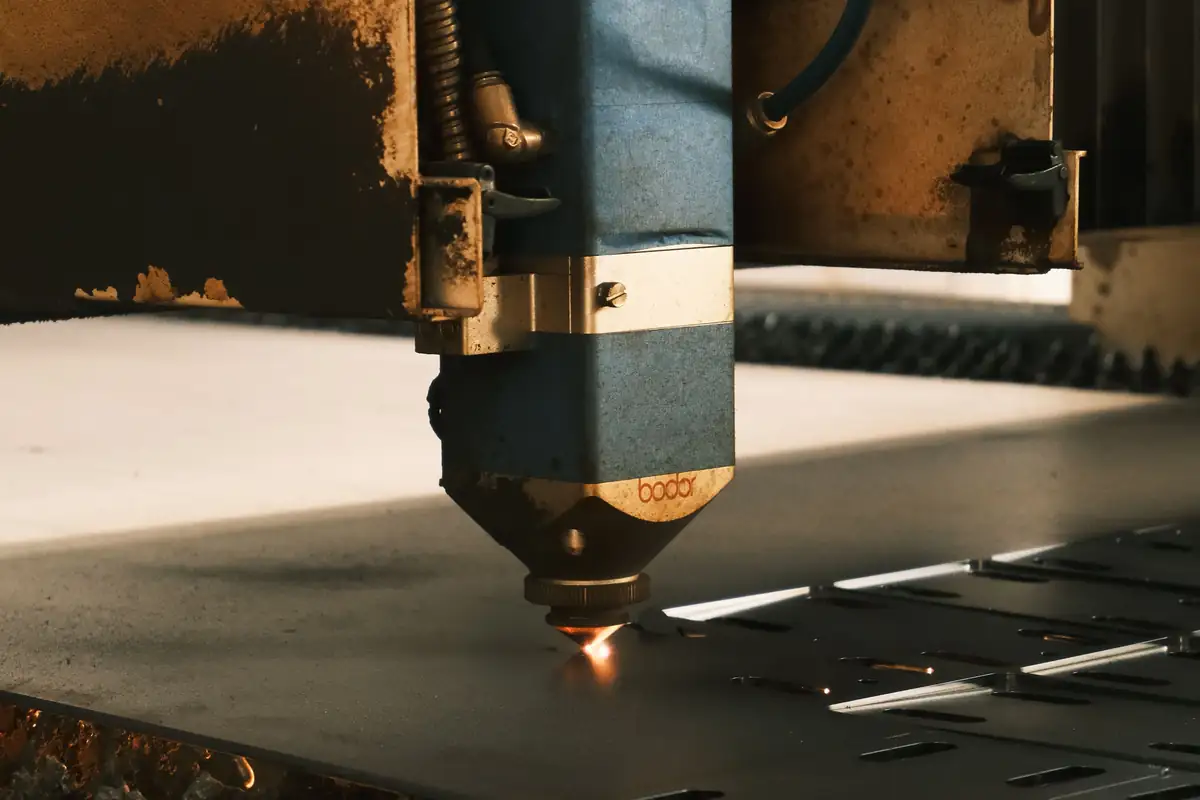
Laser cutting follows a programmed contour to create parts for later fabrication or assembly. The correct material, programme and machine preparation are important to the result. Some operators mainly run prepared jobs; others also help with setup or programming. Keeping parts linked to the right order prevents confusion during later production stages.
Cut quality and traceability across the sheet
A laser cutting operator matches material grade, sheet thickness and programme to the production order. Steel, stainless steel and aluminium can require different assist gases and cutting technologies. During the run, incomplete contours, burrs and changes in the cut edge provide useful process information. Sorting is equally important when a nest combines several part numbers. Running an established programme differs from creating nests or setting cutting technology. Suspect parts should stay identifiable while the cause is assessed, so downstream bending or welding receives the correct components.
What will you do?
- Check the order, material type and sheet dimensions.
- Prepare the assigned cutting programme and machine setup.
- Load material using the agreed handling equipment and procedures.
- Monitor production and check dimensions and edge quality.
- Sort, label and transfer cut components to the next operation.
Where will you work?
You usually work in a metalworking or manufacturing facility. Sheet storage, machine access and finished-part handling form part of the work area. Other activities may include bending, welding and assembly.
What does a working day look like?
You review the production queue and available material. After the first components are checked, you monitor cutting and sort output. A fault or quality deviation is discussed before continuing with an affected order.
Which skills and experience help?
Technical drawing knowledge, attention to material grades and accurate inspection are valuable. Explain which cutting systems you know and whether your experience includes setup or only operation. Understanding machine instructions and reporting unusual behaviour are important.
How can you develop?
You can develop towards setup, cutting-program preparation or more complex materials and products. Process knowledge can also support production coordination or a broader sheet-metal fabrication role.
Your practical experience
Discuss a batch with small internal contours or a changing burr condition. Name the machine, materials and thickness range, then explain your inspection method. Distinguish nesting and setup experience from loading and unloading, and describe how you linked rejected pieces and remaining sheet material to the relevant order.
Practical questions about the trade
Why does a sheet metal laser use different assist gases?
The gas helps remove molten metal from the cut. Oxygen can also react with the metal and contribute heat, whereas nitrogen does not provide that oxidation reaction. Material, required edge condition and later processing influence the choice. The operator uses the approved technology data for that machine and job rather than treating gases as interchangeable.
Which cut-edge problems should a laser operator recognise?
Burrs, attached dross, incomplete cuts and a changed drag-line pattern can indicate process variation. Specified dimensions still need checking because an attractive edge does not prove dimensional conformity. Nozzle condition, sheet quality and cutting data may all contribute. Recording the defect and keeping a sample supports diagnosis before changes are made.
Why does sorting matter after laser cutting a nested sheet?
One nest may contain several part numbers or production orders. The operator must preserve the link between each component, its quantity and destination. Small parts can remain trapped or tilt within the sheet skeleton. Accurate sorting prevents otherwise acceptable parts from reaching the wrong bending programme, welding assembly or shipment.
More about this occupation
Occupational, training and technical sources relevant to this page.