What does this occupation involve?
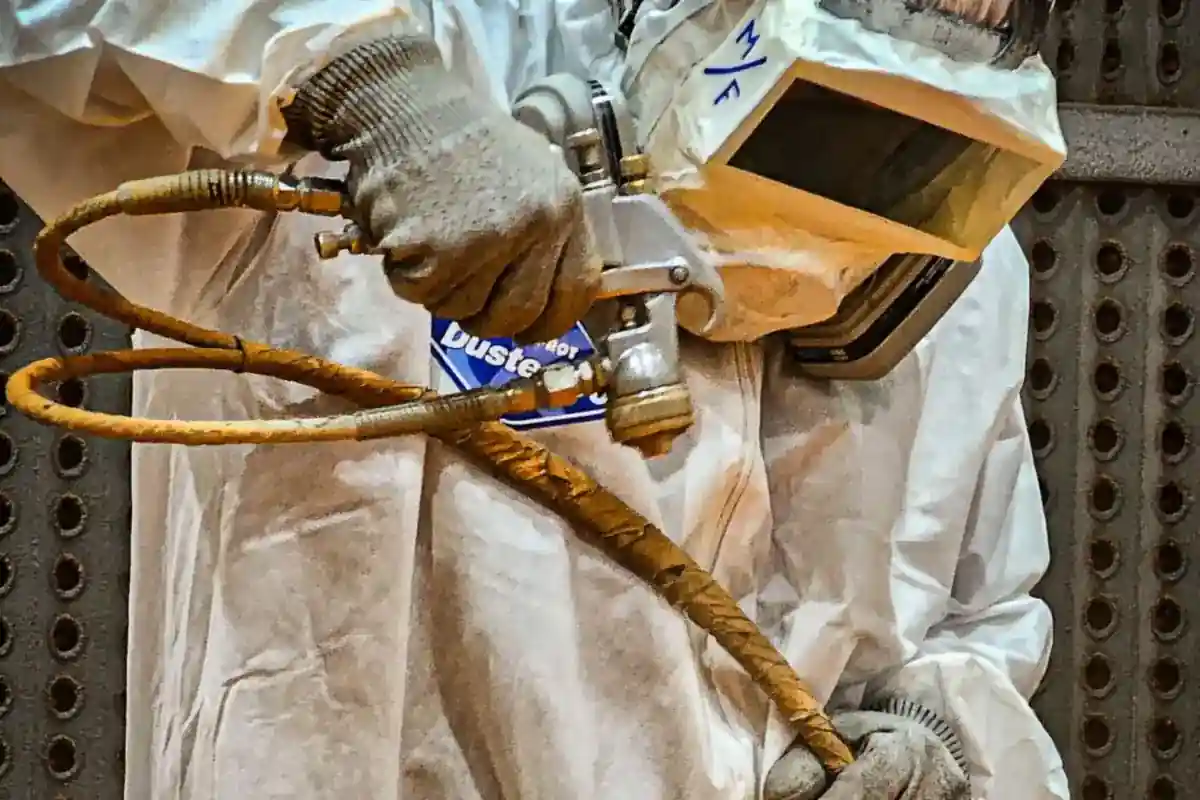
The work goes beyond routine building cleaning. Tasks may concern machinery, floors, tanks or other equipment, but not every position includes all of these. Equipment must be accessible and released for cleaning under the site's arrangements. Pressure equipment, chemicals and confined spaces require specific instructions. You use only the methods for which you are trained and discuss unfamiliar conditions before starting.
Match the cleaning process to the contamination
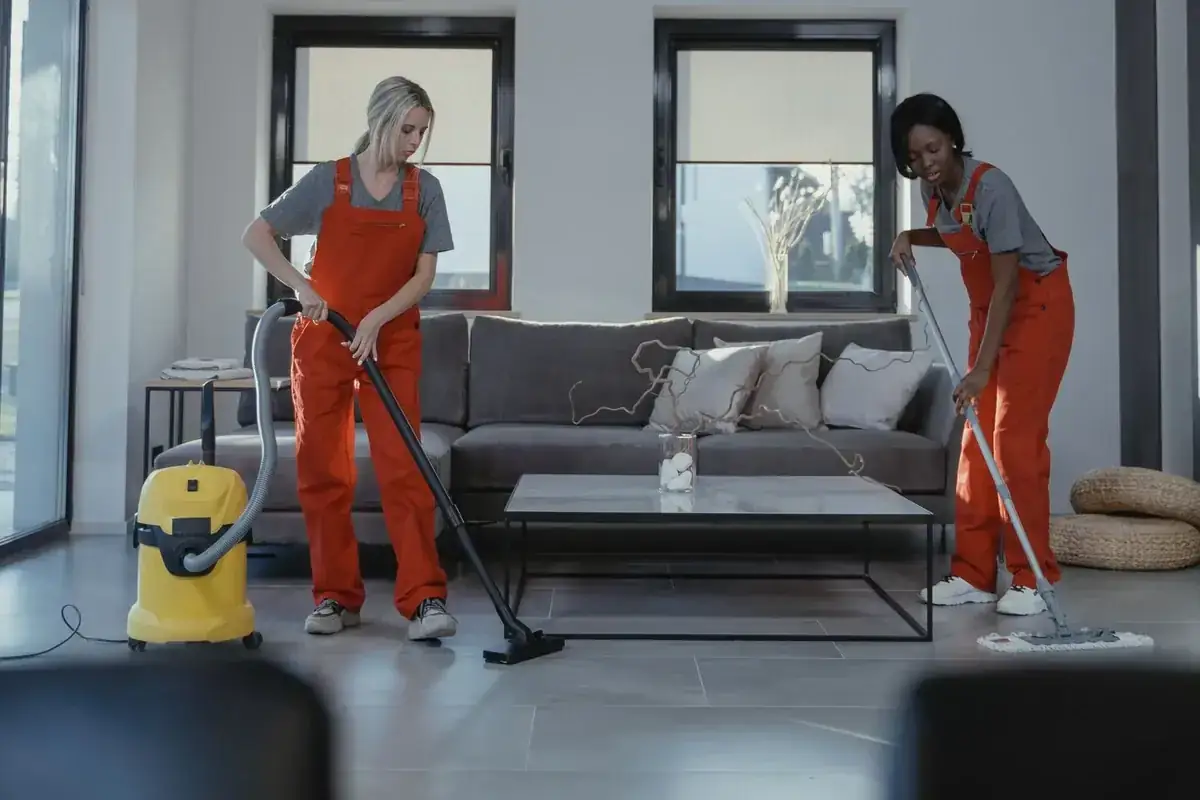
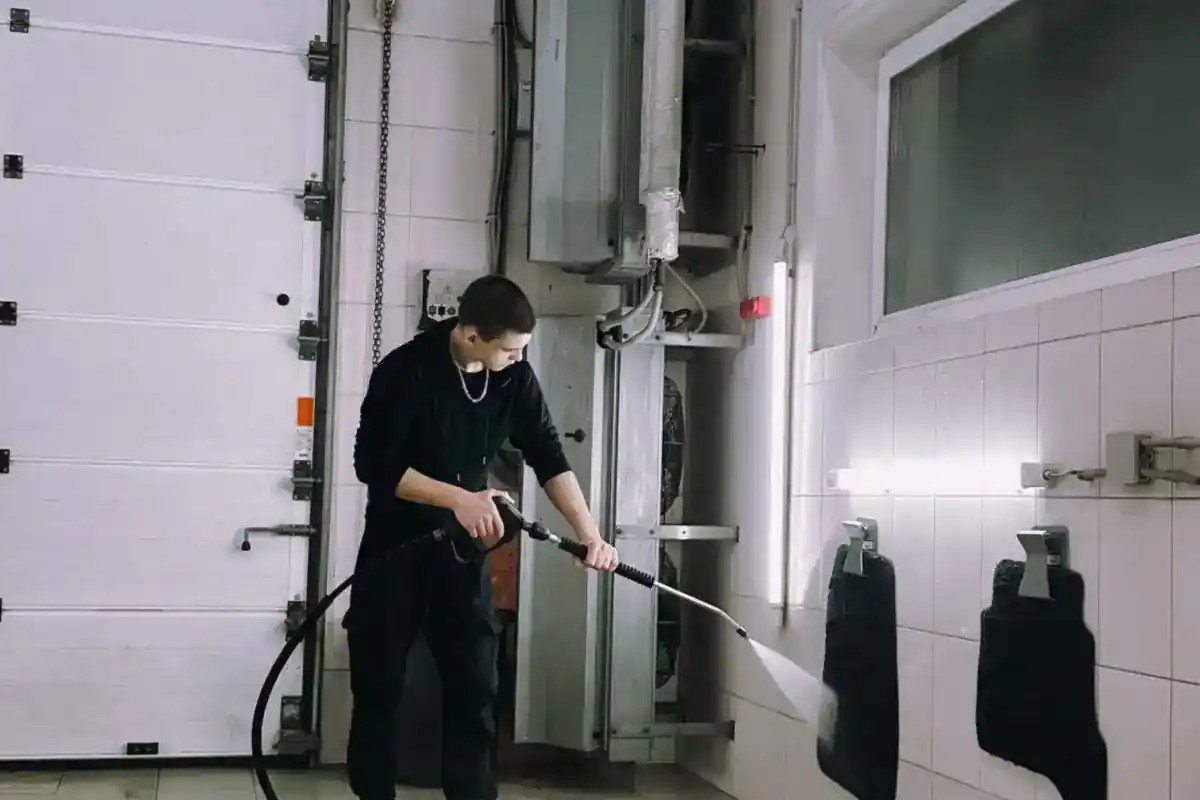
Industrial cleaning can involve floors, machines, pipework or process equipment. Oil, sludge, dust and product residues need different approaches; operating a floor scrubber differs from pressure-vacuum work. Preparation identifies the surface, access and required result. Equipment, cleaning products and collection of removed material must suit that task. Machine work also requires agreed control of energy and unexpected starting. Final inspection considers remaining contamination and possible damage. Equipment is handed back through the agreed release process, rather than simply declared ready because it looks clean.
What will you do?
- Review the work area and cleaning assignment.
- Check the release for work and required materials.
- Perform agreed cleaning tasks with suitable equipment.
- Remove dirt and residues according to instructions.
- Report the result and any unusual conditions.
Where will you work?
You work in factories, plant areas or other industrial sites. Cleaning may take place during a shutdown or outside normal production hours. Barriers, ventilation and hygiene requirements vary by location.
What does a working day look like?
The shift begins with a briefing and access checks. You clean the assigned zones in sequence. After checking the result, you hand the area back through the agreed process.
Which skills and experience help?
Care, teamwork and understanding instructions are important. Describe the equipment, cleaning methods and environments you know. Independent use of specialist machinery requires appropriate preparation and training.
How can you develop?
You can specialise in particular processes or equipment. With experience, you may support a team and help plan or check cleaning work.
Your practical experience
A useful example identifies the contaminated machine or installation, the material removed and the chosen method. Describe the checks before and after cleaning. Distinguish floor care from machine cleaning and specialist pressure or vacuum work, since these demonstrate different practical experience and preparation.
Practical questions about the trade
How is an industrial cleaning method selected?
Selection depends on the contamination, surface material, access and required result. Oil on a floor presents a different task from sludge inside an installation. Vacuum removal, mechanical cleaning and chemical products are not arbitrary alternatives. Preparation also considers suitable equipment, compatibility with the surface and how the removed material will be collected.
Why is a stopped machine not automatically ready for industrial cleaning?
A machine may retain energy or restart unexpectedly. Cleaning can also expose areas normally protected during production. The necessary isolation, prevention of reconnection and other precautions must therefore be established before work. Cleaners follow those arrangements and do not alter guards or safeguards simply to reach a difficult contaminated area.
What is checked before cleaned industrial equipment is handed back?
The result is checked against the agreed cleaning objective, including remaining product, oil or sludge. Damage to surfaces or components is also reported. Some cleanliness requirements cannot be confirmed by sight alone, so any specified additional checks belong in completion. The agreed release arrangements determine when equipment can return to service.
More about this occupation
Occupational, training and technical sources relevant to this page.
- Werkcentrum — Schoonmaakspecialismen
- SBB / KiesMBO — Professionele schoonmaak
- Drukvacuüm
- Czyszczenie w przemyśle | Kärcher
- RM 69 1000l Środek do czyszczenia posadzek przemysłowych, 1000l1000 l | Kärcher
- Curso de Técnicas de Limpeza e Desinfeção de Espaços Públicos e Industriais | Bureau Veritas Formação
- Isaqua - Limpeza Industrial
- Maintenance of work equipment - HSE
- Cleaning a neat oil sump - HSE