What does this occupation involve?
The material, contamination and specified finish determine the process. Work may involve steel structures, machine components and other industrial products. Different surfaces do not tolerate the same treatment. You follow the work instruction with suitable enclosure, dust control and personal protection. Blasting prepares the substrate; a different colleague may apply the subsequent coating.
Cleanliness and blast profile are separate checks
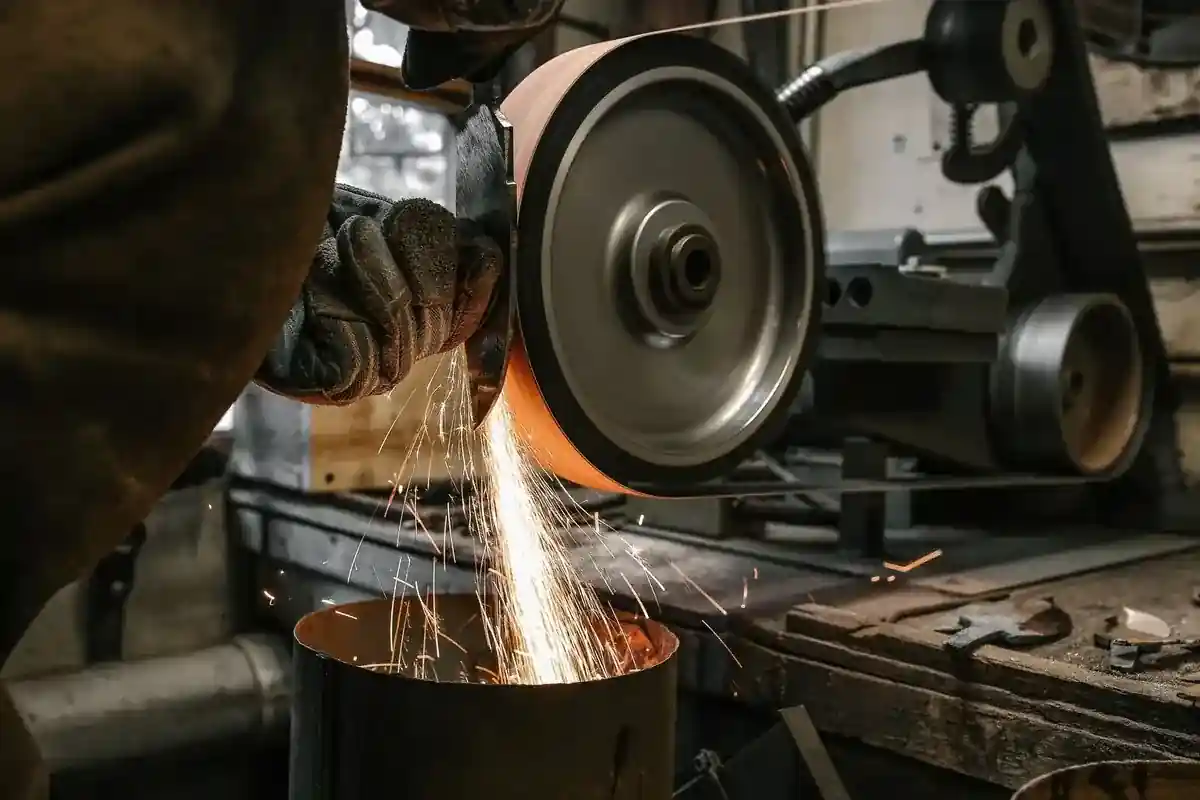
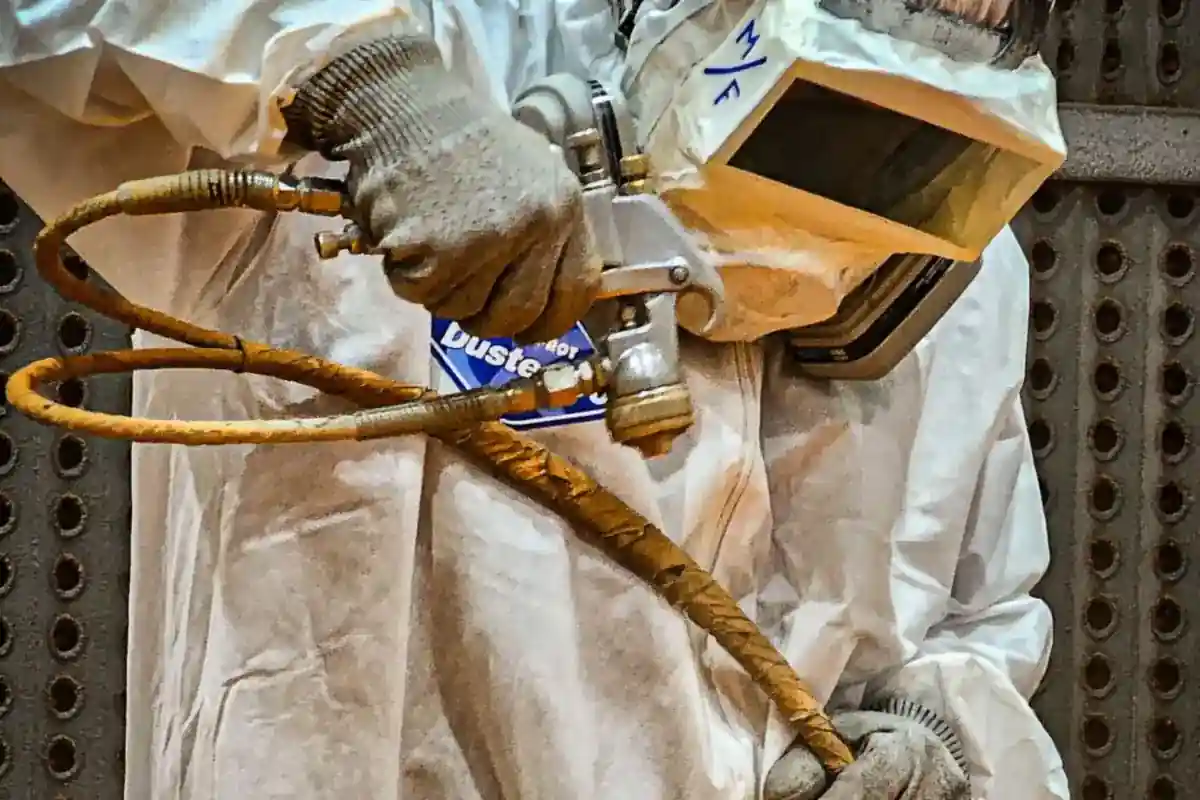
An abrasive blaster prepares surfaces for a subsequent treatment such as protective coating. Substrate, existing finish and required profile influence the process and abrasive choice. Manual pressure blasting and automated wheel blasting involve different operating tasks. Visual cleanliness is distinct from surface profile, and both may require assessment. Residual dust and contamination also affect the next stage. Extraction, containment and operator protection belong to the chosen installation. The finished surface is assessed against the specification before release, with handling arranged to avoid contaminating it again.
What will you do?
- Check the assignment and surface condition.
- Prepare or mask components and protected areas.
- Carry out the assigned blasting process.
- Check consistency and remaining contamination.
- Hand components over for the next treatment.
Where will you work?
You often work in a blasting booth, workshop or controlled project zone. The environment may be noisy and physically demanding. Access to the area and protective equipment are carefully organised.
What does a working day look like?
You begin with the job and prepared parts. After preparation, you treat the surface and inspect the result. You coordinate when the component can move to coating or another finishing stage.
Which skills and experience help?
Concentration, awareness of materials and following instructions help. Describe your experience with blasting media, equipment and substrates. The required method and training depend on the process and workplace.
How can you develop?
You can specialise in surface preparation, quality assessment or combined preparation and coating roles. Experience with different materials broadens the types of work you can undertake.
Your practical experience
Describe steelwork or components you prepared for coating. Identify the blast room, pressure equipment or automated machine and the abrasive used. Explain cleanliness and profile checks, protection of sensitive areas and handover of the finished surface, including how contamination was prevented during handling or storage before coating.
Practical questions about the trade
Is visibly clean steel ready for coating after blasting?
Not necessarily. Visual cleanliness, surface profile and remaining contamination are separate criteria. Steel can look clean while retaining dust or salts, or have an unsuitable profile. The blaster follows the checks required by the coating specification. Acceptance concerns the specified preparation result, rather than a uniform metallic appearance alone at the end of blasting.
Why does abrasive selection depend on the required surface profile?
Different abrasives and processes produce different surface effects. The aim is a profile suitable for the substrate and subsequent coating without unwanted damage. Greater roughness is not automatically better. Selection follows the job specification and technical information, with appropriate profile measurement or comparison used to assess the result before the next treatment is applied.
Why does dust control still matter after abrasive blasting?
Dust and spent abrasive need controlled removal from the workplace and the prepared surface. Extraction and recovery arrangements suit the equipment. Residual dust can interfere with coating, while contamination during storage or movement can undo preparation. Handover therefore includes agreed cleaning and protection of completed work while it awaits the next operation.
More about this occupation
Occupational, training and technical sources relevant to this page.