What does this occupation involve?
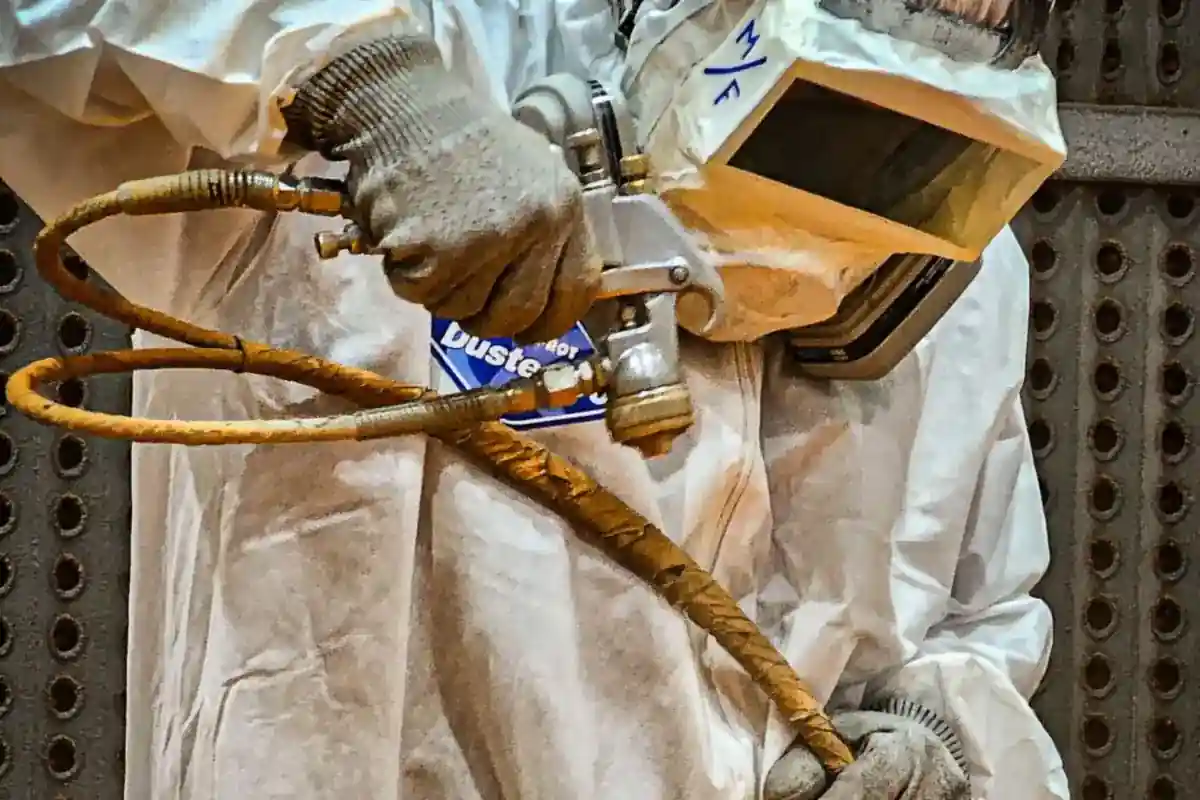
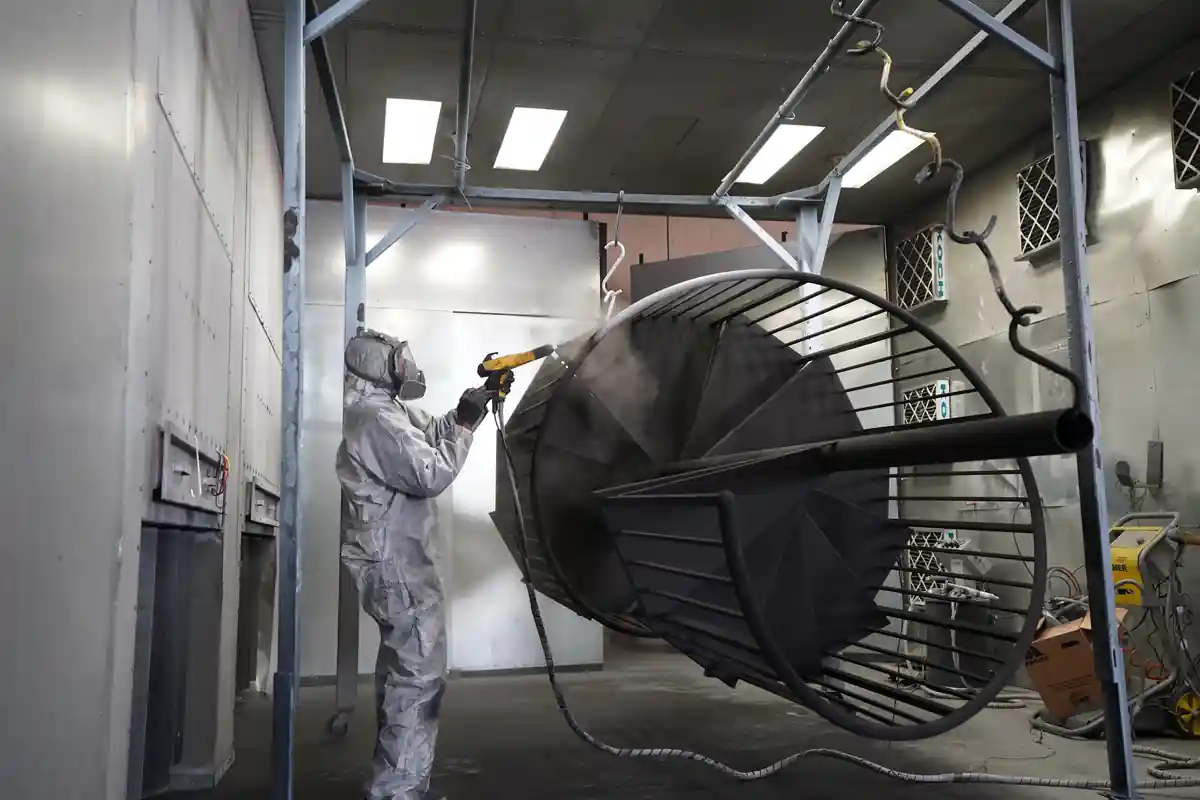
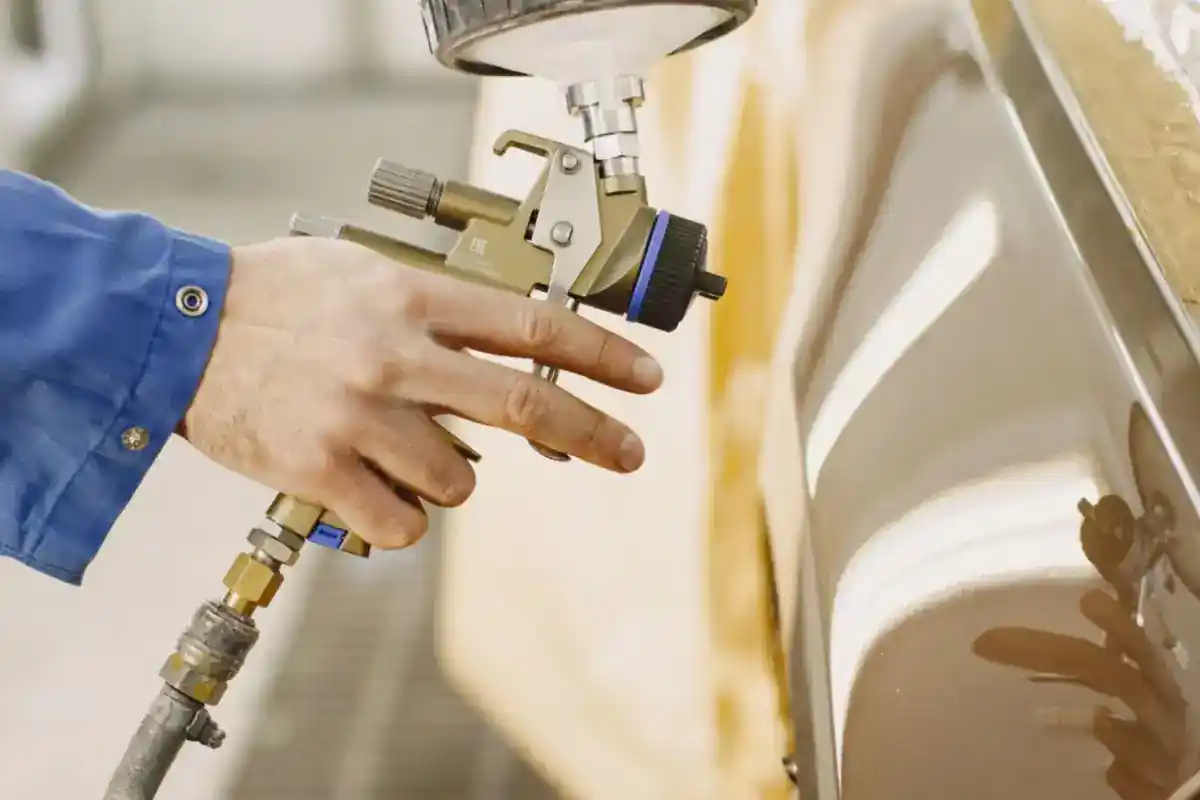
You may coat metal structures, machine parts or other industrial products. The surface is cleaned and prepared before the specified coating is applied. Wet spraying and powder coating are different processes; experience in one does not imply experience in both. Colour, coating build-up, curing and finish follow the product specification. Ventilation, material instructions and personal protection are part of the working method.
Protective coating starts with the substrate
An industrial spray painter assesses and prepares the surface before applying a coating. Steel, aluminium, timber and existing finishes require different preparation and coating systems; experience with one substrate does not automatically cover another. Instructions and product information define preparation, mixing where applicable, application and drying. Masking protects areas that must remain uncoated. During and after spraying, checks cover coverage, visible defects and specified film thickness. Dust, moisture and unsuitable conditions can affect the outcome. Uniform colour is therefore only one part of an acceptable protective coating system.
What will you do?
- Assess components and prepare the surface.
- Mask areas that must remain uncoated.
- Apply paint or coating to the work instruction.
- Follow the specified drying or curing process.
- Check coverage, damage and visible finish defects.
Where will you work?
You often work in a coating shop or designated area of a factory. The schedule depends on preparation, drying time and moving parts between operations. You coordinate with colleagues responsible for those steps.
What does a working day look like?
You begin by checking the job, colour and surface. You prepare and finish the assigned batch, then report irregularities. Components remain identifiable as they move to the next stage.
Which skills and experience help?
A steady hand, an eye for surface quality and careful material handling help. Describe wet painting, powder coating and the equipment you know separately. Vehicle refinishing and industrial coating are related but distinct skills.
How can you develop?
You can progress to more demanding surfaces, colour and quality checks or supporting the preparation and organisation of a coating team.
Your practical experience
Describe a product, substrate and coating system, including your part in cleaning, sanding or blasting, masking and spraying. Distinguish liquid paint from powder coating and name the equipment used. An example of film-thickness measurement or recognising runs and contamination makes the quality-control experience clear alongside application skill.
Practical questions about the trade
Why is surface preparation critical in industrial spray painting?
A coating needs a suitable, prepared substrate. Contamination, defective old coatings or an unsuitable surface can undermine appearance and protection. The specified system determines whether cleaning, sanding, blasting or another preparation is required. Check the surface and conditions before spraying; adding another coat is not a general remedy for preparation defects left underneath the new finish.
How does liquid spray painting differ from powder coating?
Liquid spray painting applies paint in liquid form; any mixing, drying and curing follow its product information. Powder coating uses dry powder, usually applied electrostatically and then oven-cured according to the coating system. Equipment and process controls therefore differ substantially. Surface preparation matters in both methods, so describe experience with each process, substrate and quality check separately.
Why does an industrial painter check more than colour and gloss?
A finish can look acceptable while its film thickness, coverage or preparation fails the requirement. The inspection plan may call for wet- or dry-film measurement alongside checks for runs, inclusions and other visible defects. Measurement timing and acceptance criteria must suit the coating system. Recorded results allow a nonconforming layer to be assessed before recoating or releasing the product.
More about this occupation
Occupational, training and technical sources relevant to this page.
- SBB / KiesMBO — Industrieel lakverwerker
- SBB / KiesMBO — Afbouw en onderhoud
- SBB — Industrieel spuiten van timmerwerk
- Ministerstwo Rodziny, Pracy i Polityki Społecznej — Lakiernik proszkowy
- INFOdoradca+ — Lakiernik proszkowy
- Industrial coatings applicator
- Industrial coatings applicator / Skills England
- CENFIM — Preparação da superfície e aplicação de inibidor de corrosão
- AkzoNobel Interpon — What is powder and how is it applied?