What does this occupation involve?
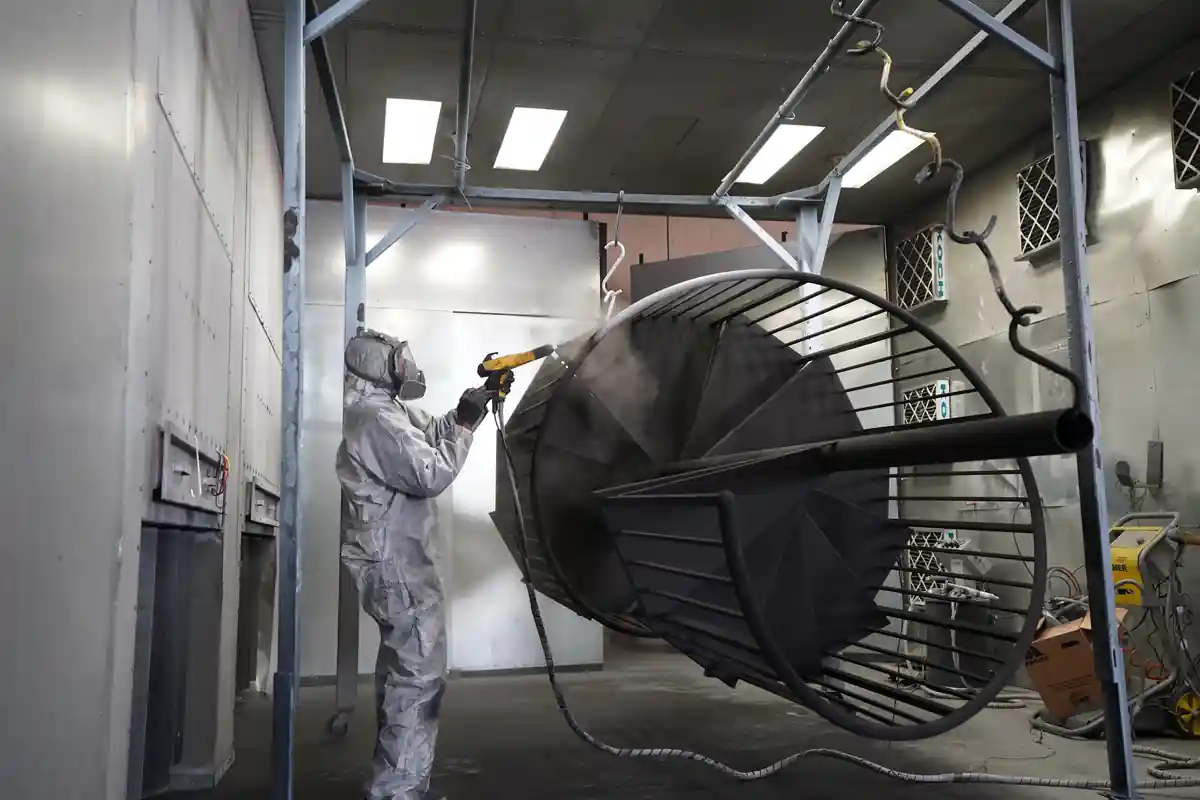
The final result depends on more than applying powder. Surface preparation, hanging, masking and the subsequent curing stage all form part of the process. Your duties may focus on manual application, an automated line or preparation and inspection. Colour changes and different product shapes require careful organisation.
Adhesion starts before powder reaches the part
Powder coating quality depends on the substrate, pretreatment, application and cure working together. Steel, galvanised steel and aluminium may need different preparation. Hanging points, grounding and masking of threads or mating faces matter before spraying starts. During application, coverage inside recesses deserves attention alongside broad visible faces. The cured work is checked for film thickness, adhesion and appearance under the quality plan. A colour change includes cleaning powder pathways and managing reclaim. A smooth-looking coating alone does not establish that the specified cure has been achieved.
What will you do?
- Check the order, required finish and condition of the components.
- Prepare, hang or mask products according to the process instructions.
- Apply powder or operate assigned coating equipment.
- Inspect coverage, appearance and specified quality characteristics.
- Record defects and prepare approved products for handling or packing.
Where will you work?
You work in a coating workshop or production facility with designated preparation, application and curing areas. Ventilation, cleanliness and the handling of coating materials are organised through workplace procedures.
What does a working day look like?
You review the planned colours and product batches. After preparation, products pass through the coating process and inspection. A colour change or different component shape may require cleaning and adjustments by the responsible team members.
Which skills and experience help?
An eye for finish, consistent working methods and product handling experience help. Explain whether you have used manual spray equipment or automated lines. Understanding process instructions matters more than assuming all coating systems work in the same way.
How can you develop?
You can specialise in preparation, application equipment or quality inspection. Broader knowledge of the coating process may lead to setup responsibilities or helping organise production batches.
Your practical experience
Describe coating a component with recesses, visible faces and masked threads. Identify the substrate, powder finish and hanging arrangement, then explain which inspections you performed. Experience with colour changes, thickness gauges or identifying craters gives a more useful picture than a broad statement that you have used a spray gun.
Practical questions about the trade
Why does metal preparation matter so much in powder coating?
Oil, oxides and other residues can prevent the coating from bonding properly or disrupt its appearance. Preparation must suit the substrate and the specified coating system. A finish may initially look acceptable while adhesion remains poor. Applying a thicker powder layer therefore cannot substitute for the appropriate cleaning and pretreatment process.
Does a smooth powder-coated surface prove that the cure is correct?
No. The specified temperature and time must be achieved on the coated part; the oven setting alone does not demonstrate this. Thick and thin components can heat differently. Product data and process measurements guide assessment. Thickness and adhesion checks may also be required. A smooth appearance alone does not establish that the coating has its required properties.
Why can a powder coating colour change create contamination defects?
Residual powder may remain in the booth, hoses or recovery system. When a new finish melts and cures, those particles can show as contrasting spots or disturbed texture. Changeovers therefore follow a defined cleaning routine. Recovered powder is used only within the conditions established for that product, with particular attention to the first pieces.
More about this occupation
Occupational, training and technical sources relevant to this page.