What does this occupation involve?
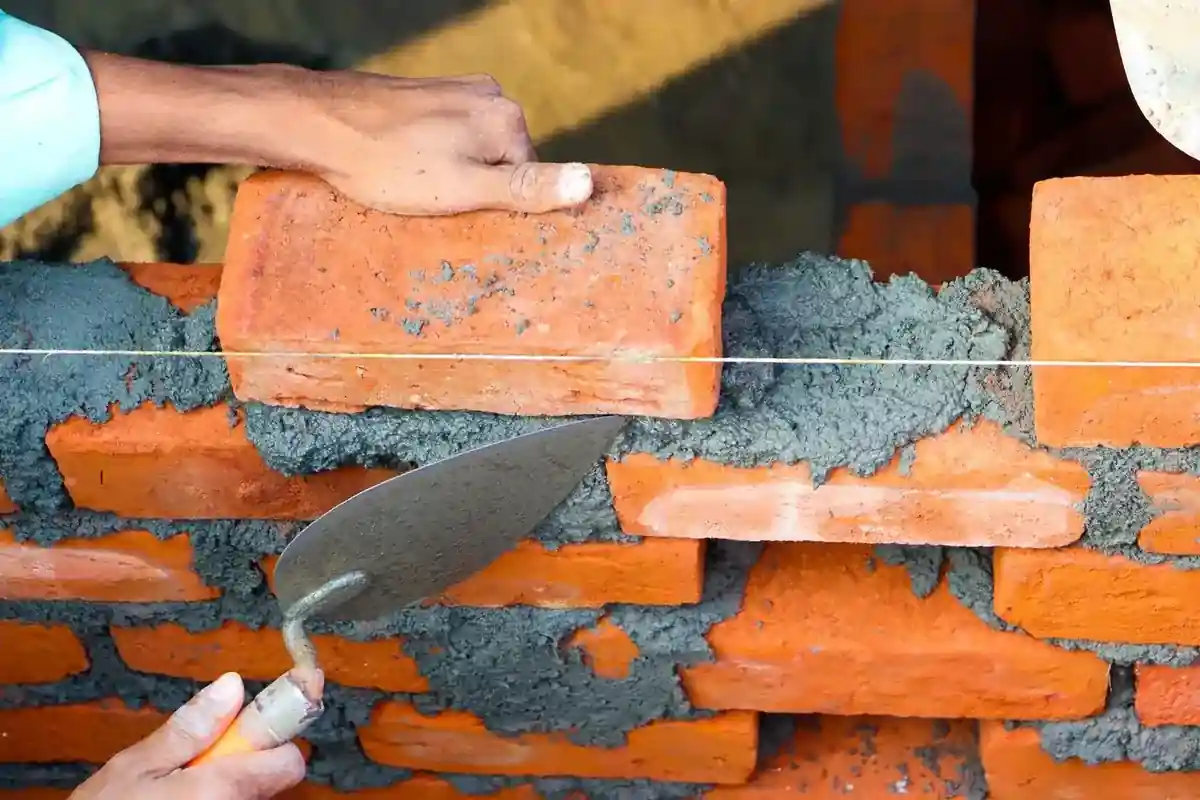
New masonry needs prepared joints filled; refurbishment may first require old pointing to be removed. You check the brickwork, joint depth, specified mortar and required profile. Colour and texture must suit the project. The aim is a consistent finish across a wall, with particular care at corners and junctions. Older or historic masonry may require additional restoration knowledge rather than a standard approach.
Renew joints without sacrificing the brickwork
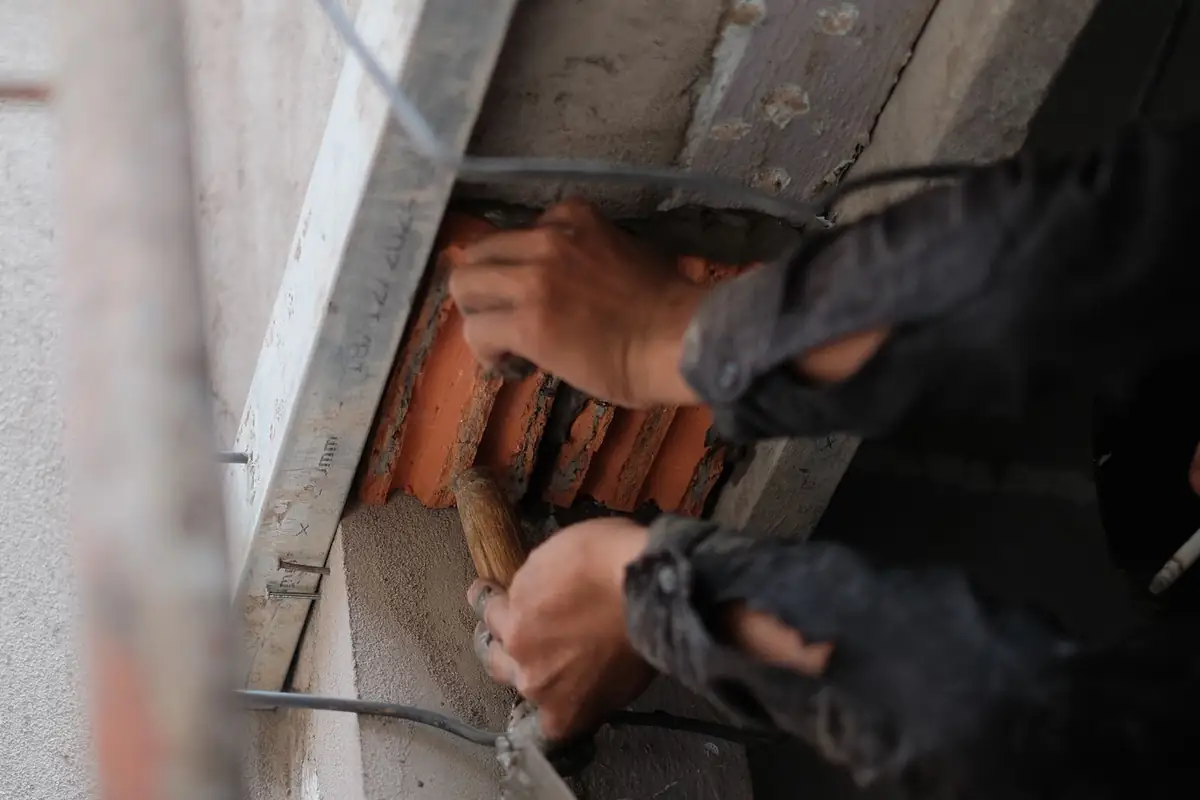
A brickwork pointer first assesses which joints actually need repair. On older masonry, mortar strength and permeability must suit the brick; a harder joint is not automatically better. Removing weathered mortar requires care around brick arrises and sound existing work. Clean joints, suitable moisture condition and complete filling influence durability. The chosen profile affects the facade appearance. A sample panel allows colour and finish to be agreed before a larger area is completed, with appropriate protection while the fresh mortar hardens.
What will you do?
- Assess the masonry and existing joints.
- Prepare the wall and joints to the assignment.
- Work with mortar according to its instructions.
- Finish joints to the agreed profile.
- Check consistency, colour and cleanliness.
Where will you work?
You mainly work outdoors on homes and other buildings. Scaffolding, weather and the condition of the masonry affect planning. You coordinate with bricklayers, facade specialists or maintenance teams.
What does a working day look like?
You start with the assigned section and materials. After preparation, you point a manageable area and check consistency. Damaged or unusual areas are discussed before further work continues.
Which skills and experience help?
Manual skill, patience and a feel for mortar are helpful. State whether you have experience with new pointing, removal, renovation or special joint profiles. Scaffold work requires the appropriate instruction.
How can you develop?
You can develop skills in facade repair, damaged masonry and specialist restoration pointing. Experienced workers may also help organise and guide a team.
Your practical experience
Describe a facade where you assessed and renewed existing joints. Name the brick type, mortar and intended profile. Careful removal, a sample panel or preventing colour variation gives useful evidence of your judgement. Explain how you protected the brick edges and checked the finished appearance across the work.
Practical questions about the trade
Why is hard cement mortar not always suitable for repointing old bricks?
Mortar must suit the strength and moisture behaviour of the existing masonry. An excessively hard or impermeable joint can transfer deterioration into the bricks. Selection therefore follows the wall condition and original construction rather than strength alone. Specialist conservation work may call for a lime-based mortar and a sample panel to confirm compatibility and appearance.
What makes renewed brickwork pointing durable?
Loose mortar needs removing without unnecessary damage to brick edges. Joints must be clean and prepared for the chosen mortar. Full filling and consolidation matter more than a neat surface alone. Substrate moisture and protection during hardening follow product guidance and the masonry condition, so they need consideration before work starts across the entire elevation.
How does tuck pointing differ from ordinary repointing?
Ordinary repointing finishes mortar to the agreed joint profile. Tuck pointing is a specialist decorative technique creating the appearance of finer, more regular joints. Historic work requires care to retain the original character. A sample panel helps assess colour, profile and junctions before introducing a different finish across surviving old masonry.
More about this occupation
Occupational, training and technical sources relevant to this page.