What does this occupation involve?
Repair starts with understanding the prescribed work. Cracks, loose material and other damage can have different causes, so unexpected findings must be reported. Preparation, application and finishing need to suit the selected repair system. You carry out the agreed repair rather than independently assuming the cause of every defect.
A concrete repair relies on the bond beneath its surface
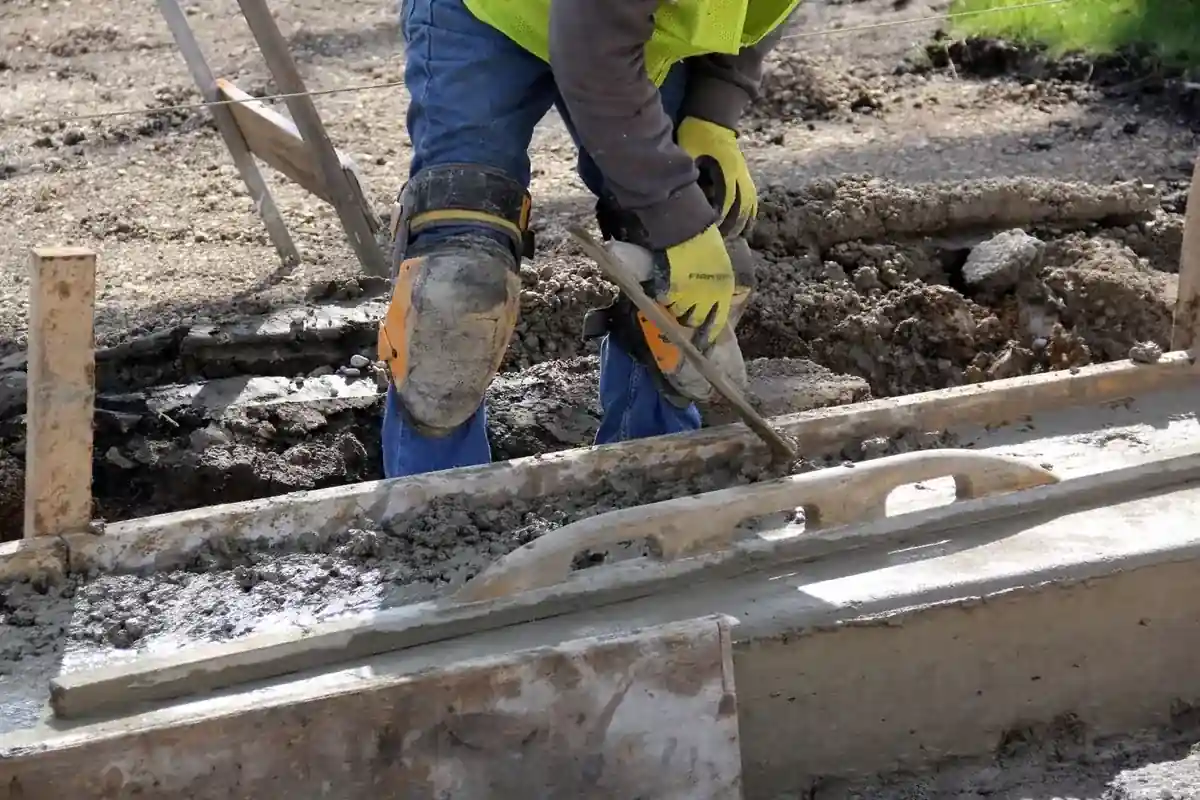
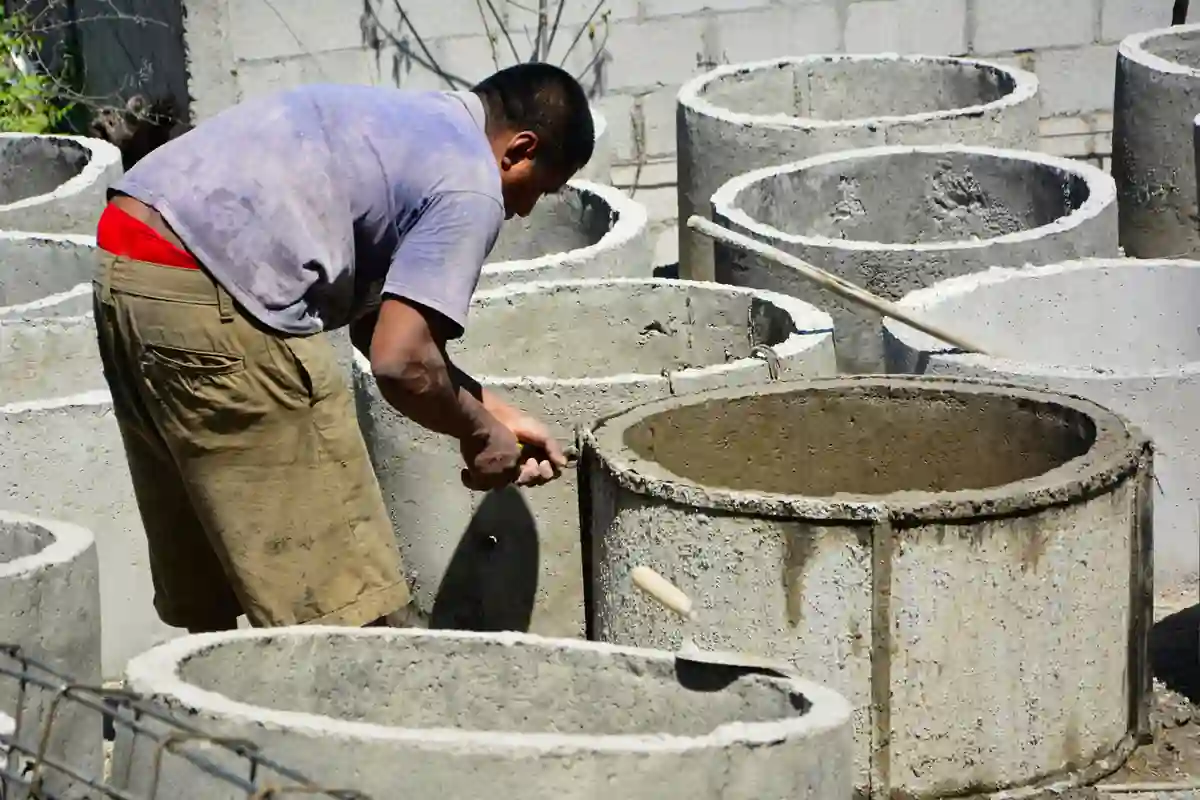
A concrete repairer restores damaged areas under an established repair plan. Work includes preparing the substrate, treating exposed reinforcement and applying the specified repair materials. Smoothing over a damaged surface alone does not address the underlying problem. The worker needs to recognise weak concrete, visible corrosion and conditions that may prevent bonding. Layer thickness, application and curing follow the product documentation. Unexpected damage is reported; assessing structural safety or the causes of complex cracking belongs with the responsible specialist.
What will you do?
- Check the repair plan, surface condition and supplied materials.
- Protect the work area and prepare damaged sections as instructed.
- Apply repair materials and finish the required shape carefully.
- Inspect completed work and discuss unexpected conditions.
- Tidy the site and record which sections are complete.
Where will you work?
You work on façades, balconies, parking structures, bridges and other concrete structures. Access varies considerably. Some work is overhead or at height, requiring a suitable setup and support.
What does a working day look like?
You review the repair locations and selected system with a colleague. Preparation is followed by repair and finishing. Product instructions and site conditions influence the sequence because not every next stage can start immediately.
Which skills and experience help?
Experience with building materials, hand tools and careful finishing is useful. You need to understand application instructions and recognise when conditions differ from the plan. Explain which repair systems and structure types you have worked with.
How can you develop?
You can specialise in particular repair techniques, protective finishes or organising repair projects. Additional knowledge and practical experience can support more complex assignments or helping train colleagues.
Your practical experience
Describe a repair to a balcony edge, column or concrete wall. Identify the substrate condition, repair system and your contribution. Explain what you checked around reinforcement, at the interface with existing concrete and during curing, including when you requested further assessment.
Practical questions about the trade
Why does substrate preparation matter when applying concrete repair mortar?
Repair mortar needs sound, clean concrete to form a reliable bond. Loose material, contamination and unsuitable moisture conditions can interfere with the interface. The specified system determines the preparation and whether a bonding layer is required. A smooth finished repair therefore tells little about the quality of the connection hidden beneath it.
Why should a concrete repairer avoid simply covering corroded reinforcement?
Corrosion and damaged concrete need assessment and treatment within the repair plan. The system may require preparation and protection of the exposed steel. Covering visible rust alone does not address the underlying deterioration. If steel loss or damage exceeds expectations, the responsible specialist should reassess the repair before work continues.
Can the same repair mortar be used for every damaged concrete area?
Selection depends on the repair purpose, layer thickness, substrate and application position. Overhead repairs create different practical demands from work on a horizontal surface. Curing is also part of the specified process. The products and method work together as a system, so replacing one product requires checking compatibility with the intended repair solution.
More about this occupation
Occupational, training and technical sources relevant to this page.