What does this occupation involve?
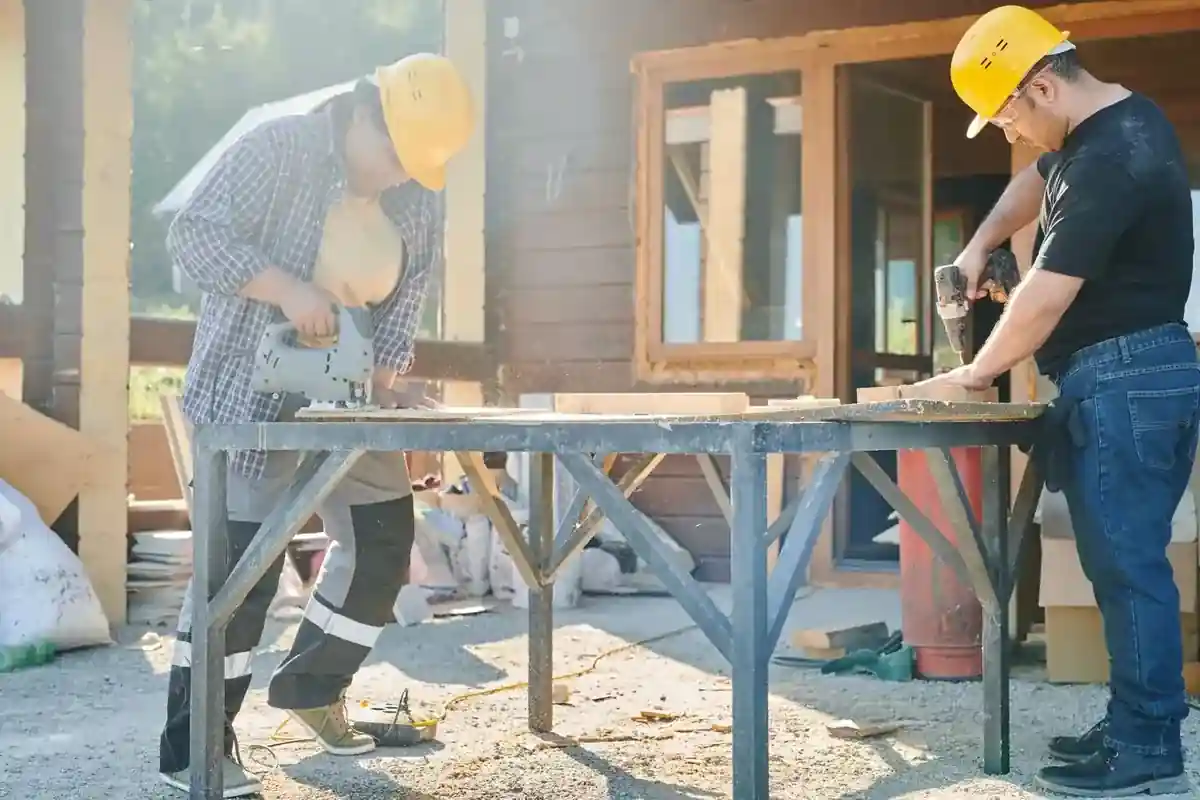
Concrete work includes different specialisms. Some workers focus on formwork, others on placing or finishing concrete. Formwork provides the temporary shape for a pour and must follow drawings and support arrangements. Duties also differ between building sites and precast factories, so describe the tasks you actually know.
Placing, compaction and curing form one quality chain
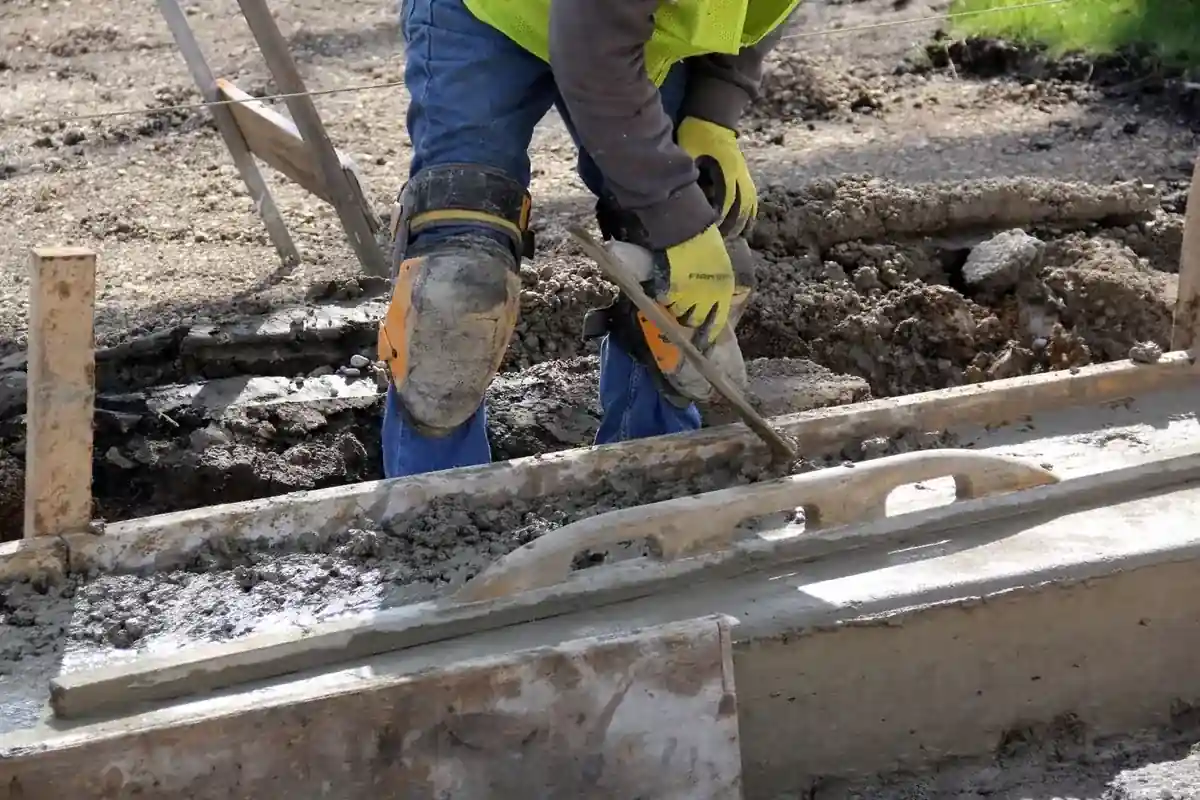
Concrete workers help turn a supplied mix into the required shape and finish. Before placing, the team checks formwork condition, cleanliness, access and delivery arrangements. Compaction must suit the mix and element; self-compacting concrete needs a different approach from conventional concrete. A poker vibrator, straightedge and finishing tools perform different jobs. After finishing, curing limits unwanted moisture loss while the concrete hardens. A smooth surface does not prove that concealed voids or early drying have been avoided. Workability problems need reporting through the placing team, rather than improvised additions of water.
What will you do?
- Read the job information and prepare formwork or working surfaces.
- Assist with placing, aligning and checking formwork.
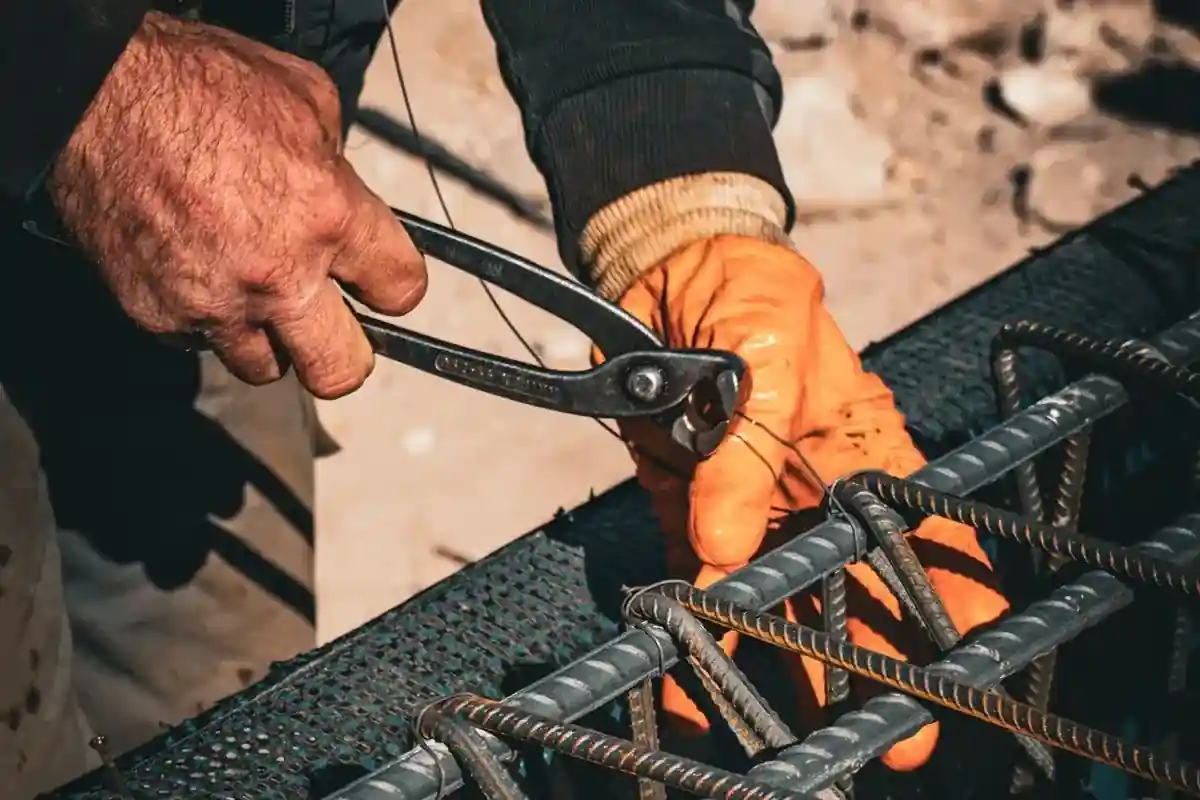
- Coordinate with reinforcement and embedded-component teams.
- Support concrete placing or finishing using the agreed method.
- Remove forms after authorisation and prepare materials for reuse.
Where will you work?
You may work outdoors on site or indoors in precast production. Physical teamwork is common. Heavy materials, moving equipment and fresh concrete require an organised workplace.
What does a working day look like?
Much of the day may involve preparing and positioning the formwork. During a pour, the crew follows a shared plan. Later come checks and, once authorised, removal and cleaning of formwork.
Which skills and experience help?
An understanding of dimensions, technical drawings and teamwork helps. Identify whether your experience is in formwork, placing or finishing. Critical checks and approvals belong to the responsible qualified people.
How can you develop?
You can specialise in system or traditional formwork, precast production or finishing. Concrete construction training and broader site experience can help you work more independently.
Your practical experience
Describe a wall pour or slab, naming the delivery method, compaction equipment and finish. Explain whether you used the poker, straightedge or finishing tools and what was checked beforehand. Include curing or recognition of incomplete filling to show experience beyond simply distributing fresh concrete across an area.
Practical questions about the trade
Does every concrete mix need poker vibration?
The method depends on the mix and element. Conventional concrete is compacted to reduce entrapped air and help fill the form, while self-compacting concrete has different placing characteristics. Workers follow the pour plan and mix information. More vibration is not automatically better, and a method used successfully on one pour should not simply be applied to every other mix.
Why is curing part of a concrete worker’s job after finishing?
Fresh concrete still needs protection as it hardens. Curing limits unwanted moisture loss and helps the intended quality develop. The appropriate method depends on exposure, surface and subsequent finishes. A slab that looks smooth is therefore not necessarily complete. The agreed work also includes protecting the element from conditions that interfere with its early hardening.
Why should a concrete worker avoid adding water to improve workability?
Additional water may appear to make placing easier but can reduce strength, durability and surface quality. Difficulties with access, delivery or workability need reporting to the responsible person. The response must suit the mix specification and placing process. Workers should not alter the composition on their own simply to move concrete faster or complete a difficult section.
More about this occupation
Occupational, training and technical sources relevant to this page.
- SBB / KiesMBO — Betontimmerman
- Checklist beton storten | Betonhuis
- Nabehandelen van beton | Betonhuis
- Verdichten van beton | Betonhuis
- Zadania zawodowe - Betoniarz‑zbrojarz 7‑8 - zpe.gov.pl
- Cursos – APEB
- Guias e Manuais – APEB
- Concrete Placing, Compacting and Finishing | Concrete Society
- Workmanship for visual concrete