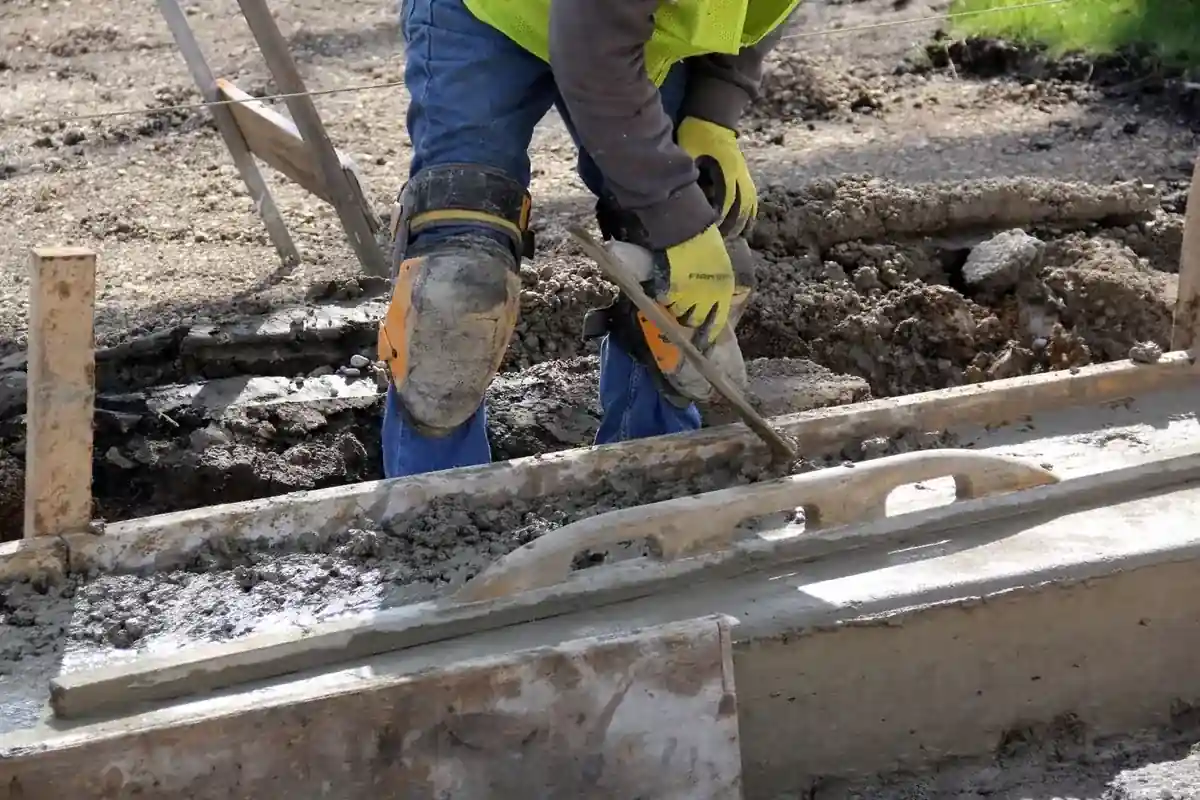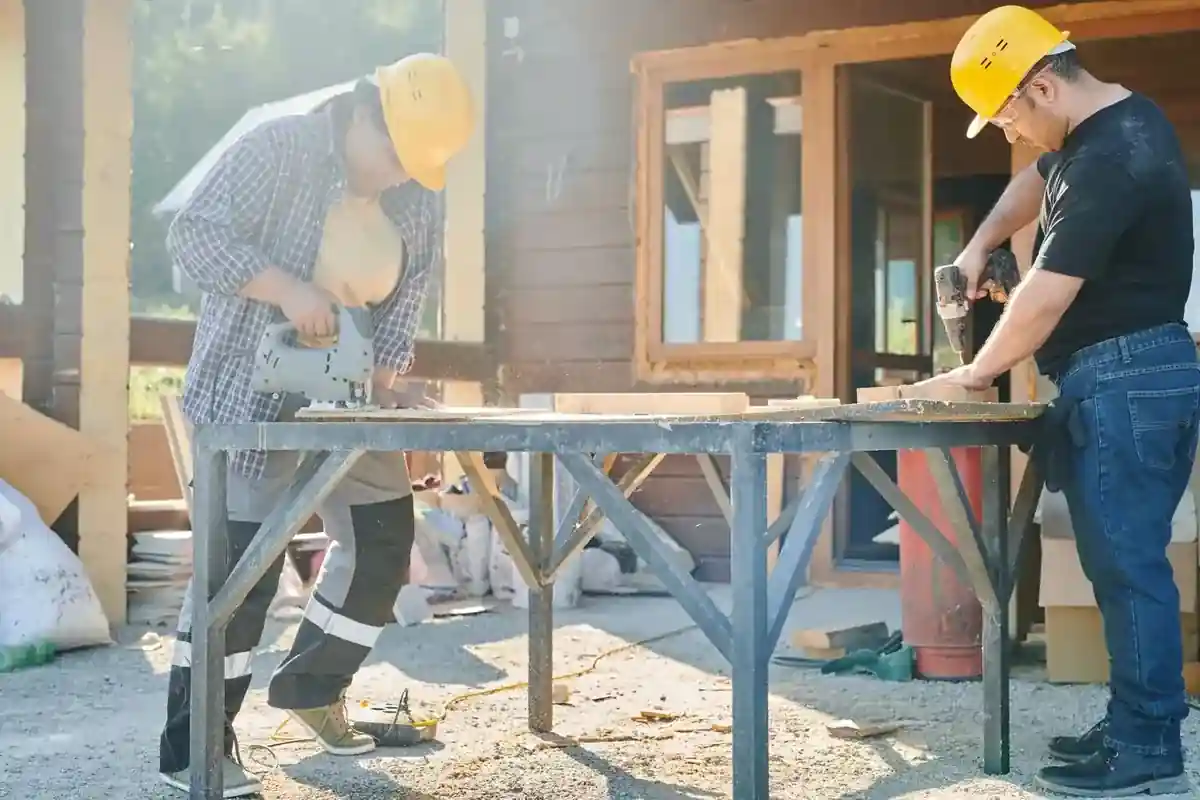
What does this occupation involve?
Carpentry covers several kinds of work. New builds can involve structures, frames and partitions, while renovation adapts or repairs existing buildings. You turn drawings into physical components and consider how they connect with other trades. A building carpenter’s work differs from specialist furniture making, although some basic skills overlap.
Carry accurate dimensions from framing to finish
Site carpentry may involve timber walls and floors, positioning prefabricated elements or fitting doors and trims. The carpenter reads drawings, sets out dimensions and checks the background and materials before cutting and fixing. Timber, sheet products and connectors have different functions within the detail. Squareness, alignment and fit affect the work that follows. Structural carpentry, formwork and finishing are therefore recognisable specialisms even when some tools overlap. A clean cut only contributes to quality when the part also has the right dimensions and fits the intended location.
What will you do?
- Measure and discuss drawings or work orders.
- Mark out, cut and prepare timber and sheet materials.
- Install structural parts, partitions, frames or finishes.
- Repair or adapt existing components during renovation.
- Check dimensions, fixings and finishing before handover.
Where will you work?
Work may take place on building sites, in occupied properties or in a workshop. You coordinate with other trades and use tools and machinery for which you have been instructed. The balance of indoor and outdoor work varies.
What does a working day look like?
You compare the plan with the actual site, prepare components and install them in sequence. Checking fit, alignment and finishing throughout helps the next stage of construction proceed correctly.
Which skills and experience help?
Measuring, spatial awareness and safe tool use matter. Describe whether you know structural work, renovation, installation or finishing. Training helps, but practical examples also show what you can do independently and what requires guidance.
How can you develop?
You can become an all-round carpenter or specialise in renovation, formwork or finishing. Further experience and training may allow you to support or guide other workers.
Your practical experience
Use an example such as assembling a timber partition or hanging doors to show your area of practice. Identify drawing work, setting out, timber or board types and tools. Describe a joint or fit you checked, and distinguish structural carpentry, formwork and second-fix work in your experience.
Practical questions about the trade
How do first-fix carpentry and second-fix work differ?
First-fix site work commonly concerns structural or preparatory timber elements, including framing and partitions. Second-fix work includes doors, trims and other finished components. Formwork is another application with its own requirements. Tools may overlap, but sequence, connections and acceptance criteria differ, so a project description should identify the actual type of carpentry rather than treating all timber work alike.
How does a carpenter check dimensions before cutting and fixing?
Dimensions must relate to the correct drawing and site reference. Position, squareness and fit are then checked against adjoining work before permanent fixing. Existing construction can differ from drawings, particularly in refurbishment. A discrepancy needs clarification: accurately cutting every part to an incorrectly assumed reference still produces a component that does not fit the building.
Why do timber, board type and fixings need to match the carpentry detail?
The material and connection belong to the function of the component and its specified construction detail. A different board or screw may fit or perform differently. Carpenters check supplied materials and report discrepancies. Particularly for structural elements, alternatives need the appropriate decision rather than being selected simply because they happen to be available on site that day.
More about this occupation
Occupational, training and technical sources relevant to this page.
- SBB / KiesMBO — Timmerman
- Montagemedewerker | Timmerman bouwplaats
- SBB – Timmerman: uitzetten en maatvoeren bij erkend leerbedrijf
- Prezentacja zawodu cieśla - Ciesielstwo / Joinery - zpe.gov.pl
- Wykonywanie konstrukcji drewnianych - Ciesielstwo / Joinery - zpe.gov.pl
- IEFP – Carpinteiro de limpos e de tosco: descrição profissional
- IEFP – Carpinteiro de cofragens: tarefas de montagem
- Carpentry and joinery / Skills England
- NOCN – First and Second Fix Carpentry Operations