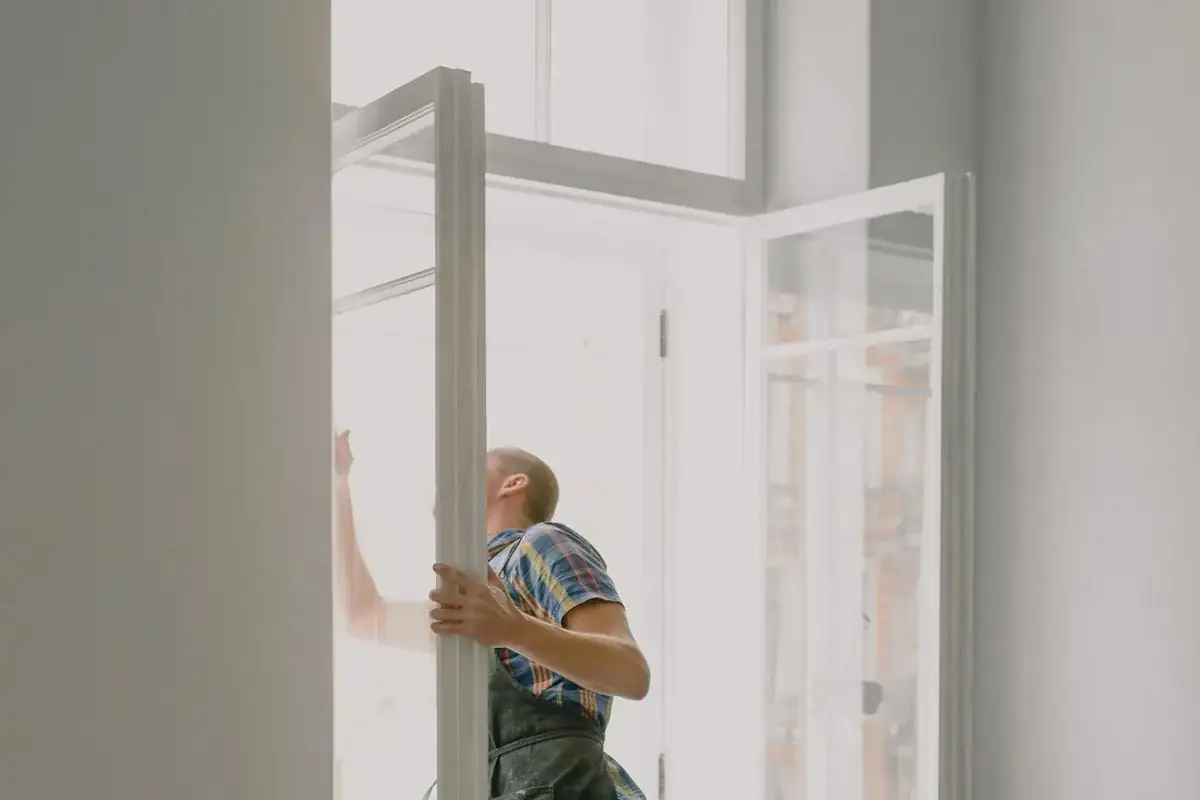
What does this occupation involve?
You may work with insulating glass in windows or glazing for interior spaces. The frame, dimensions and access are checked before installation. Suitable handling equipment and teamwork are important, particularly with larger panes. Correct support and junction details influence the result. Window frame installation is a related trade; glazing focuses specifically on the glass and its installation.
Support the glass before completing the seal
A glazier confirms pane dimensions, glass make-up and frame condition before installation. Insulating glass, laminated glass and toughened glass describe different characteristics and are not interchangeable labels. Setting blocks transfer load, while location blocks maintain the intended position. Gaskets or sealants complete the specified weather seal. Edge clearance and drainage follow the frame system. Glass edges remain protected during handling and placement, and final checks cover damage, seal continuity and the operation of any opening lights within the completed installation.
What will you do?
- Check the situation, glass dimensions and materials.
- Remove existing glazing within the agreed scope.
- Prepare the frame and glazing area.
- Position new panes using appropriate handling equipment.
- Check beads, seals and the finished installation.
Where will you work?
You work at homes, refurbishment projects or commercial buildings, sometimes from a glazing workshop. Large panes, restricted access and work at height require suitable preparation and coordination.
What does a working day look like?
You check the panes and the route to the work area. After preparation, you install the glass, finish its connections and leave the surroundings tidy. Unexpected frame defects are reported.
Which skills and experience help?
Precise measuring, careful handling of fragile material and calm teamwork help. Explain the glazing types and handling equipment you know. Task allocation and required instructions are discussed for each project.
How can you develop?
You can specialise in larger glass formats, unusual glazing systems or renovation. With experience, you may also survey jobs and prepare installations.
Your practical experience
Replacing an insulating glass unit in a timber or PVC frame provides a useful example. Explain measuring, rebate assessment and your use of suction lifters or transport racks. Identify the sealing system and distinguish ordinary glazing from any experience with specified safety glass or fire-resistant glazing assemblies.
Practical questions about the trade
How does insulating glass differ from safety glass?
An insulating glass unit combines panes around a sealed cavity. Safety characteristics may come from toughened or laminated glass. These descriptions can overlap because an insulating unit can contain safety glass. A glazier checks the full specified make-up and product identification; matching only thickness or appearance does not establish that a replacement is suitable.
Why are glazing setting blocks more than packing pieces?
Setting blocks transfer glass weight into the frame, while other blocks maintain position. Their material, size and location must suit the glazing system. Incorrect blocks may concentrate loads on vulnerable edges or obstruct drainage. A sealant joint does not automatically replace mechanical support in ordinary glazing, so support is checked before finishing the seals.
What does a glazier inspect before handing over a window?
Check glass faces and edges for damage, pane positioning and continuity of gaskets or sealants. Frame drainage must remain as designed. For an opening window, check operation as well as appearance. Special glazing, including fire-resistant assemblies, needs the complete installation checked against its system instructions rather than relying on the glass marking alone.
More about this occupation
Occupational, training and technical sources relevant to this page.