What does this occupation involve?
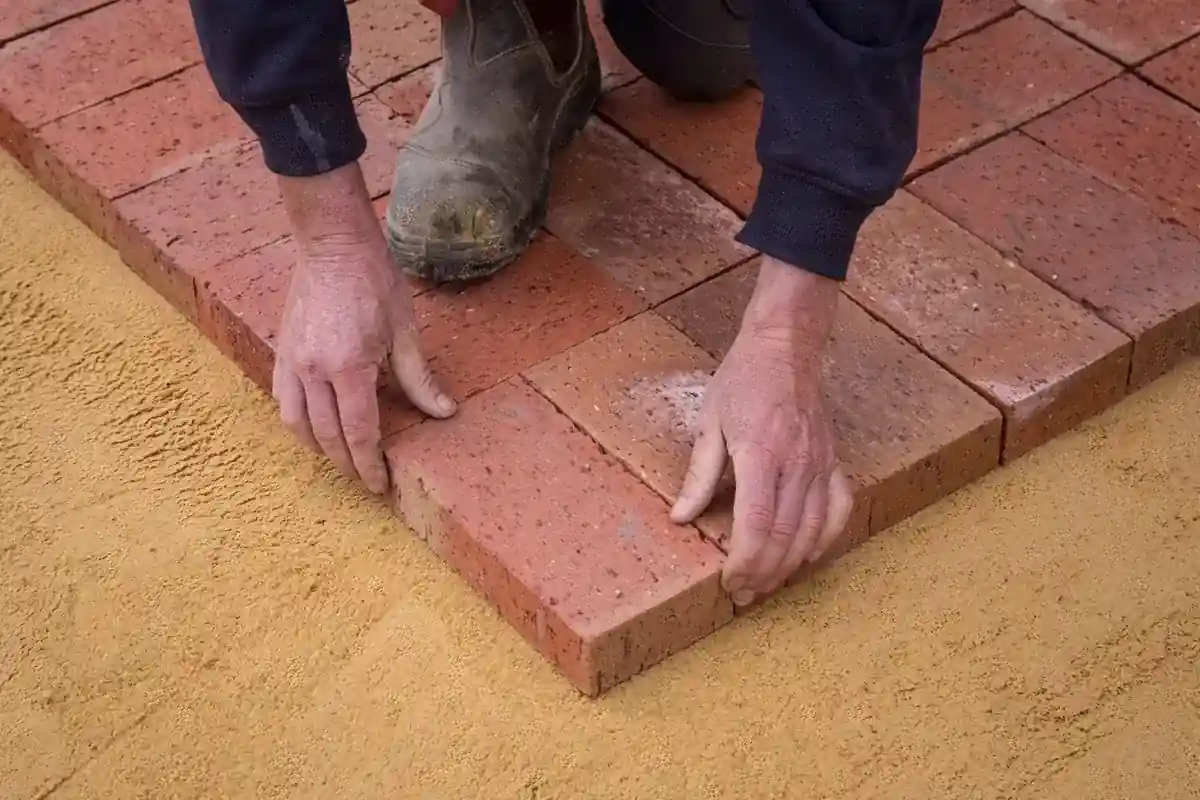
Paving is used on footpaths, squares, driveways and commercial sites. The pattern is only one part of the work: the base and levels influence stability and water runoff. You often work with a labourer or machine operator. Depending on the project, materials are placed by hand or with mechanical aids.
A level-looking pavement needs the right support below
Pavers lay blocks, slabs or stone as part of a pavement designed for its intended use. Setting out and levels connect to the sub-base, laying course and drainage arrangement. The laying course supports individual units; it cannot compensate for an inadequate foundation. Edge restraints keep the boundary in position, and joints contribute to the selected system’s behaviour. Patterns, cuts and connections around chambers require care. Compaction and finishing must suit the product. A surface that looks straight at handover can still settle if the supporting layers or water management are wrong.
What will you do?
- Review the drawings and help prepare the base.
- Set edging, kerbs or other components to the work order.
- Lay blocks or slabs in the required pattern.
- Prepare cuts and check levels and connections.
- Finish the surface and report drainage or alignment issues.
Where will you work?
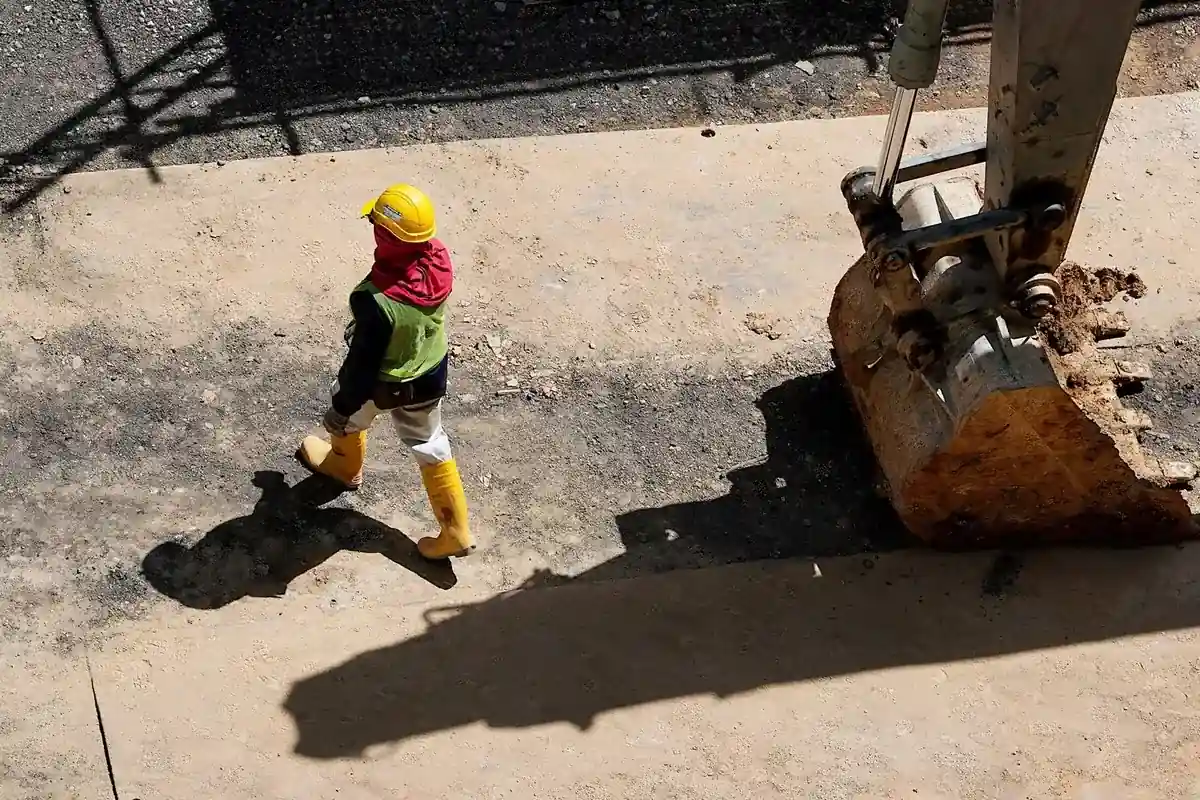
Work is mainly outdoors around homes, businesses or public routes. Weather, pedestrians and traffic affect the job. Handling aids, suitable working positions and a protected work area matter.
What does a working day look like?
The crew reviews the area and checks levels before distributing materials. You lay a section and repeatedly check its pattern and connections. Remaining materials and loose items are cleared at the end.
Which skills and experience help?
Measuring, practical calculations and teamwork are useful. Explain whether you know block paving, slabs, kerbs or base preparation. Supporting a crew and independently laying paving are different levels of experience.
How can you develop?
Supporting duties can lead to independent paving after training and practice. Specialist patterns, repairs or renovation work are other development options.
Your practical experience
Describe a footpath, driveway or paved square, naming the units and laying pattern. Explain whether you also set out, installed kerbs, prepared the laying course and compacted the work. A connection around a drain or existing pavement makes level checks, cutting and drainage coordination concrete and easy to assess.
Practical questions about the trade
How does a paving sub-base differ from the laying course?
The sub-base distributes loading towards the ground and must suit the soil and intended use. The laying course gives individual paving units consistent support. A deep local patch of bedding is therefore not a substitute for adequate construction below. The paver checks layers and levels before laying, because a suitable pavement structure depends on the expected loading.
Why should paving falls be coordinated with the underlying layers?
Surface water needs the drainage or infiltration behaviour specified by the design. Sub-base, laying-course and finished levels must work together. Trying to create falls through arbitrary bedding variations can leave uneven support. Connections at drains, buildings and existing paving therefore need checking, so the completed work avoids unintended ponding or weak areas caused by inconsistent construction.
What do edge restraints and filled joints do in paving?
Edge restraints limit outward movement of the units. Joints form part of the pavement’s interaction and load transfer within the selected system. Jointing materials and finishing must therefore suit the product and use. Slabs or natural-stone paving do not necessarily use the same solution as concrete blocks. These details are functional parts of the pavement, not merely decorative finishing.
More about this occupation
Occupational, training and technical sources relevant to this page.
- SBB / KiesMBO — Straatmaker
- CROW – Straatwerk vergeleken: constructieve opbouw
- CROW – Handboek natuursteenbestrating: straatlaag
- CROW – Kantopsluiting en afschot bij elementenverharding
- Bruk-Bet – Kostki i płyty brukowe: instrukcja zabudowy
- KOSTKA BRUKOWA 6, 8 CZY 12 CM? JAKĄ GRUBOŚĆ WYBRAĆ? - Bruk-Bet
- Secil Prebetão – Pavês, juntas e lancis
- Marshalls – Concrete Paving Installation Guidelines
- Why Does Block Paving Fail? | Marshalls