What does this occupation involve?
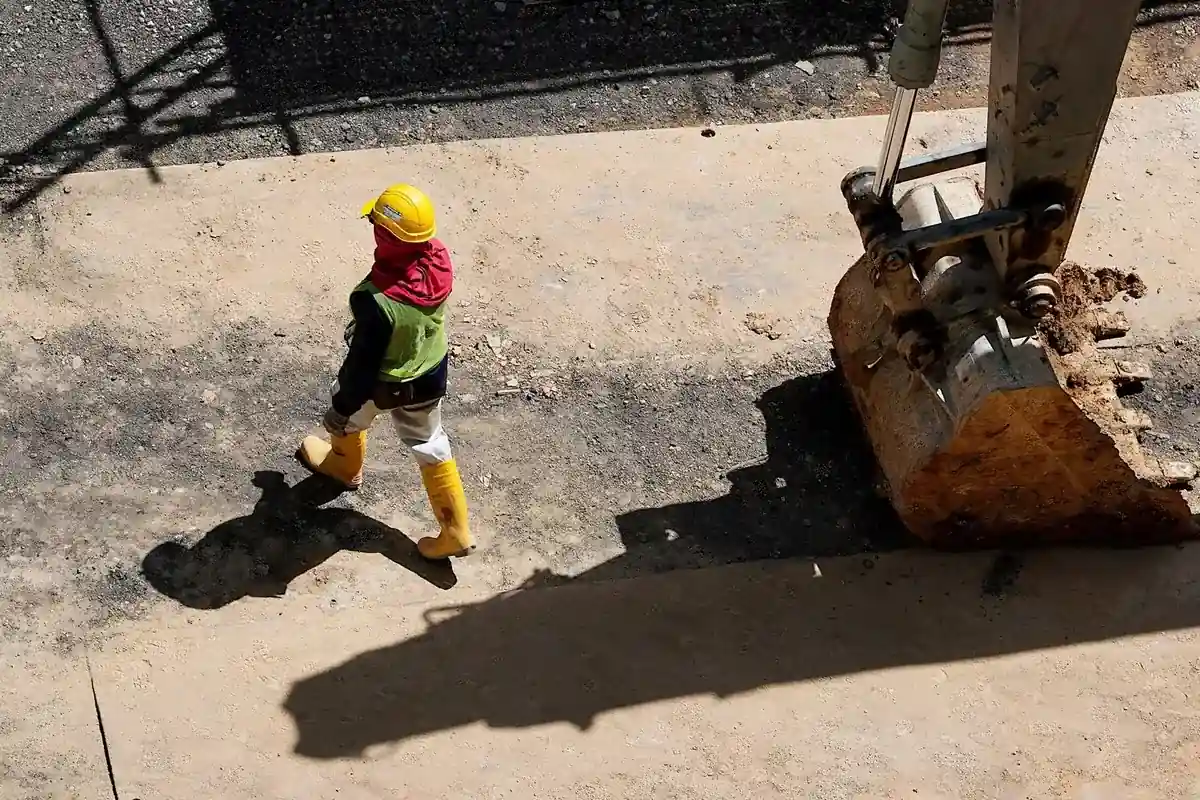
Before a street or building site is ready, ground levels, drainage and underground infrastructure must fit together. Groundworkers prepare and finish trenches, assist with installing components and backfill or compact soil. You often work alongside an excavator operator. Clear coordination matters because each person sees a different part of the work area.
The hidden levels determine the finished surface
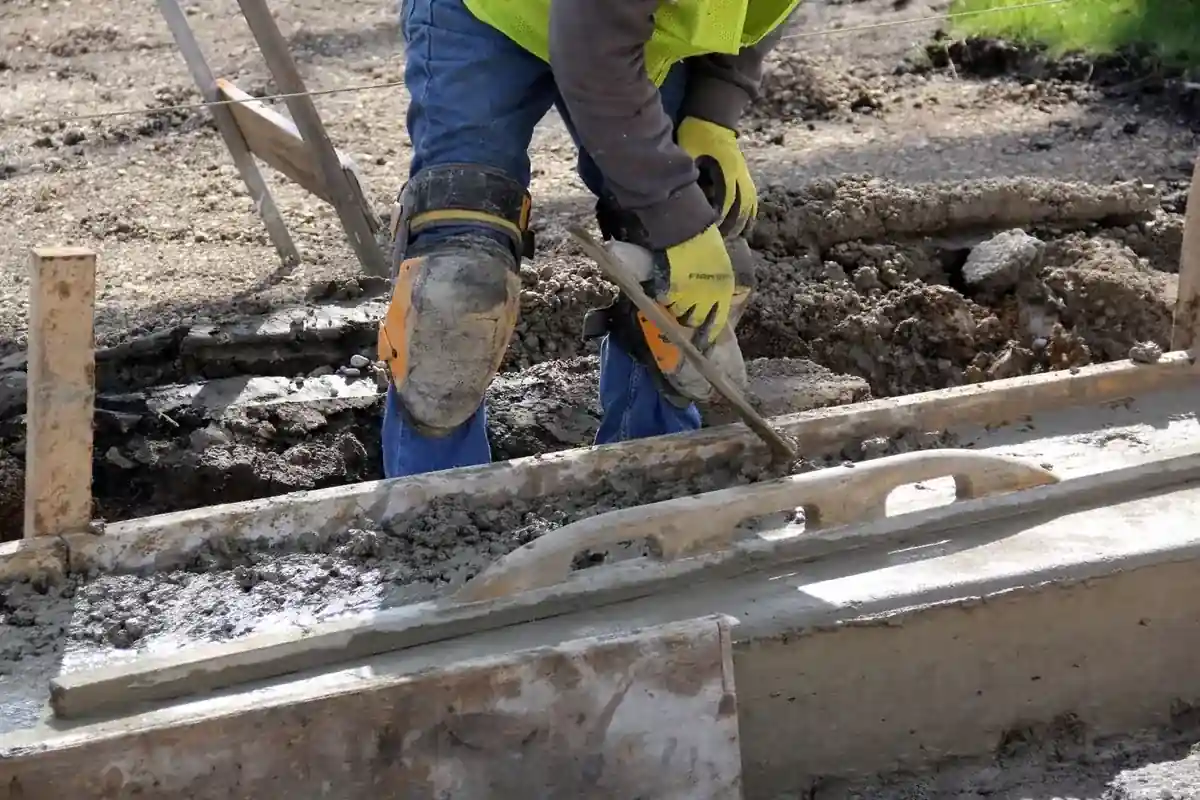
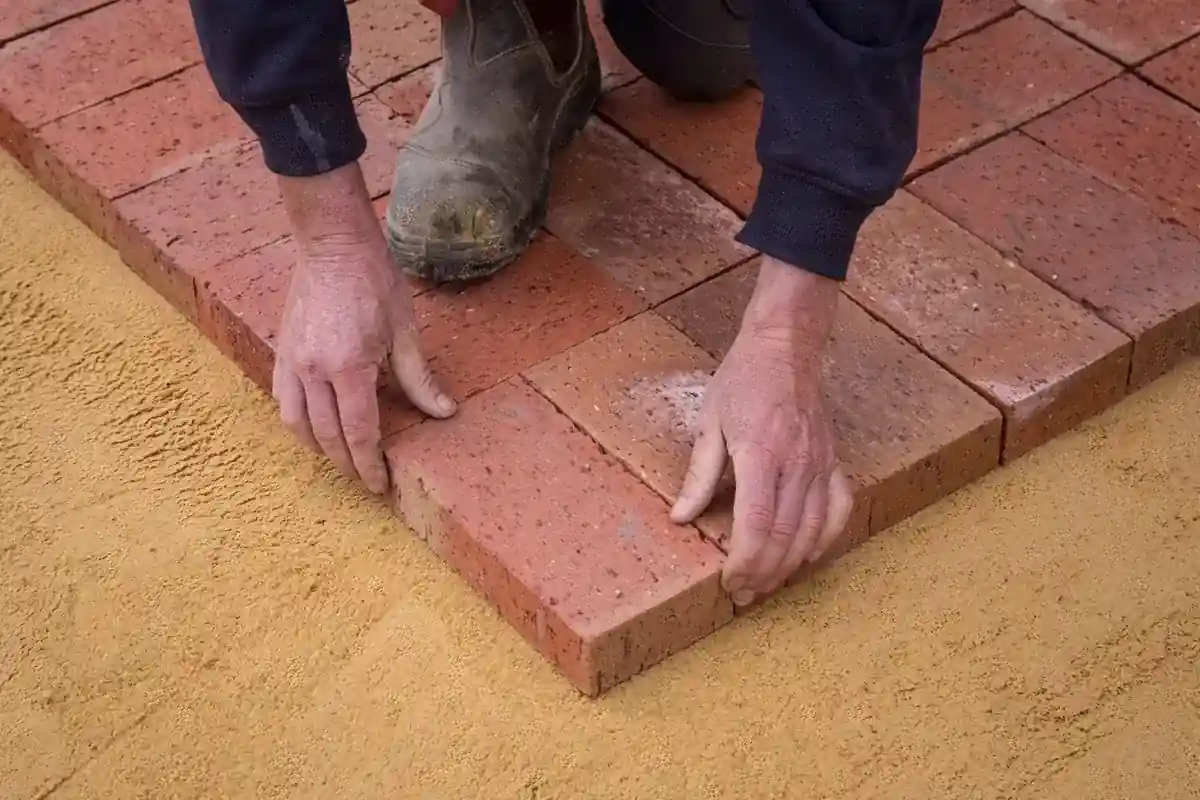
Groundworkers prepare the support for drainage, service routes, foundations and paving. They turn setting-out information into excavations, bedding and backfilled layers, using hand tools, measuring equipment and suitable compaction plant alongside machine operators. Existing utilities and the specified support for new pipework both affect the job. Unsuitable fill or poor compaction can show up later as settlement. Quality therefore includes work that will disappear below ground. Levels and conditions need checking before covering, and unexpected services, obstructions or ground changes must be clarified before the affected operation continues.
What will you do?
- Prepare the work zone, materials and tools.
- Finish ground manually and assist the machine operator as agreed.
- Help install drainage pipes, gullies or related components.
- Backfill, compact and finish surfaces to the specified level.
- Immediately report damage or unidentified cables and pipes.
Where will you work?
Work is mainly outdoors on construction sites, roads and residential projects. It is physical and surfaces may be wet or uneven. Traffic, machinery, trenches and existing services shape the safety arrangements.
What does a working day look like?
The crew reviews the drawings, work zone and risks before dividing tasks. During the job you keep checking levels and progress. At the end, the area must be left safe for colleagues and the public.
Which skills and experience help?
Practical understanding and clear communication are useful. Experience with drainage, setting out or compaction helps. Only perform tasks for which you have been instructed; independent excavation or machine operation is not assumed.
How can you develop?
You can develop towards civil engineering groundwork, drainage installation or setting out. Machine operation may become an option after further training.
Your practical experience
Describe a drainage trench, pipe bedding or backfilling task rather than simply saying you did groundwork. Identify the level or laser and compaction equipment used, how you coordinated with the excavator operator, and which checks took place before the next layer covered the work.
Practical questions about the trade
How does a groundworker use a level or laser?
The equipment relates excavations, bedding and sub-bases to the required levels and alignment. A reading only makes sense against the correct reference point and drawing information. The worker therefore checks which level is being set and reports discrepancies. Resolving them before the next layer is placed prevents incorrect work from being concealed and becoming harder to inspect.
What changes when groundworks are close to existing utilities?
The known services and agreed excavation method shape the task and coordination with the machine operator. A groundworker follows the assigned responsibilities and available service information. An unidentified pipe, unexpected obstruction or route discrepancy requires pausing the affected operation and obtaining clarification. Appearance alone is not a reliable way to determine what an existing service carries or how it should be treated.
Why do bedding and backfill matter around drainage pipes?
They support the pipe and the construction above it. Suitable material, correct levels and the specified compaction help limit movement and later settlement. The method must suit the pipe and available space. Checking before covering is therefore a quality task in its own right; an error in concealed support is much harder to inspect once the finished surface is complete.
More about this occupation
Occupational, training and technical sources relevant to this page.
- SBB / KiesMBO — Grond-, weg- en waterbouw
- Grondwerker - Etten-Leur
- Ondergrondse Infra Alkmaar | Mollenwerker B.V.
- Dokumentacja projektowa, normy oraz instrukcje - Organizacja i prowadzenie robót związanych z budową oraz utrzymaniem obiektów gospodarki wodno‑ściekowej - zpe.gov.pl
- CICCOPN – Processos construtivos de redes de drenagem
- Groundworker / Skills England
- Groundworker Apprenticeship Course at the National Construction College (NCC)