What does this occupation involve?
This is practical installation work inside buildings, such as running copper data cables between outlets and a communications cabinet. You follow a cabling plan and coordinate around existing services. Clear labelling and accurate test records make future maintenance easier. Fibre-optic work may be included in some projects, but requires its own skills and equipment.
Delivering an identified link with a meaningful test result
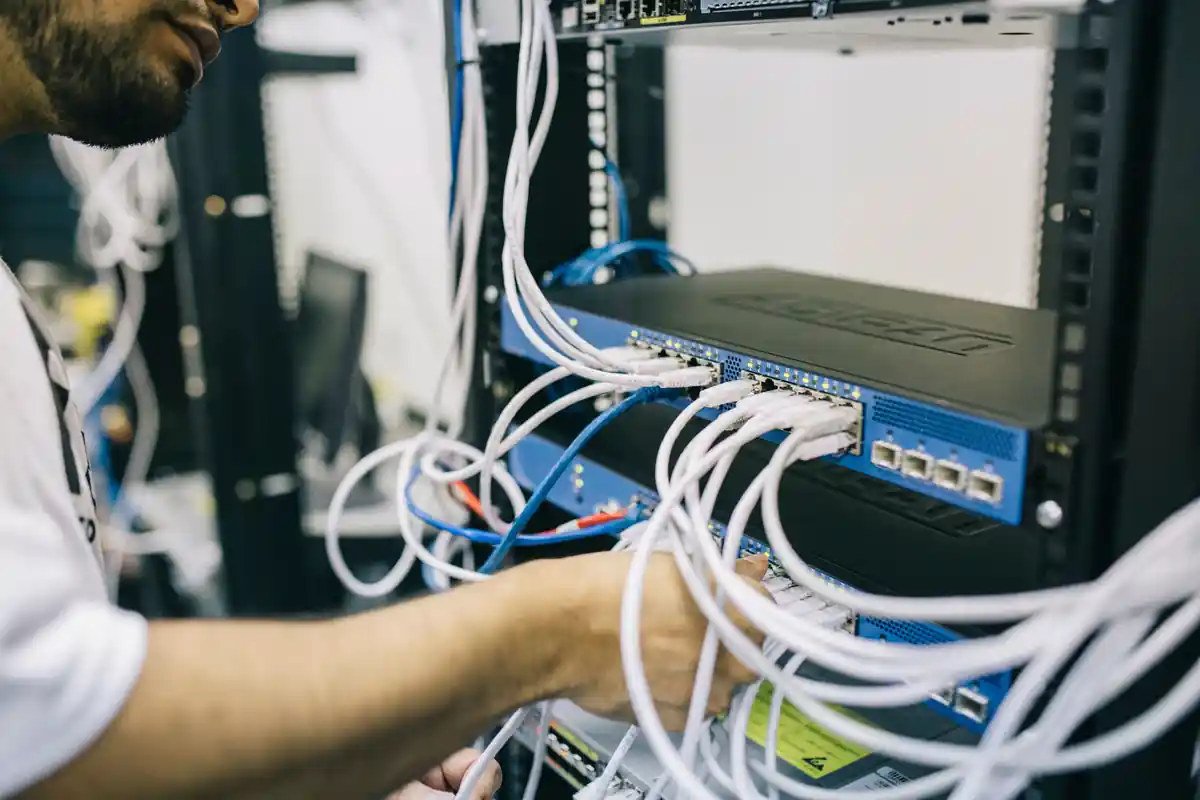
A data-cabling installer builds copper or fibre links between outlets, equipment and patch cabinets. Routes protect cables from excessive bending, tension and physical damage. Copper work needs attention to pair integrity and termination, while fibre introduces connector-end cleanliness and careful fibre management. A working network light is not the end of the job. Testing must match the cable category and link type. Labels, port numbers and reports belong together, so the customer can identify precisely which connection passed which test and locate a fault later without tracing the entire installation again.
What will you do?
- Review the cabling plan and scheduled connection points.
- Prepare routes and install data cables carefully.
- Terminate outlets, patch panels and assigned cabinet components.
- Label connections and carry out the specified checks.
- Record test results and changes to the installation.
Where will you work?
You work in business premises, distribution centres, schools and technical rooms. Even when the location is an office, the job is hands-on installation. Some work takes place above ceilings or in occupied buildings.
What does a working day look like?
You check the required connections and materials before pulling cables. Connections are then terminated and labelled. Testing shows which sections are complete and which need further attention before handover.
Which skills and experience help?
Accuracy, reading drawings and distinguishing colours and numbering are important. Cables and measuring instruments need careful handling. Explain which cabling systems you know and whether you have experience documenting test results.
How can you develop?
You can develop into an independent network installer or specialise in fibre optics, testing and project handover. Experience organising cable routes can also support a move towards coordinating a fitting team.
Your practical experience
Describe a patch cabinet and its workplace outlets, naming the cabling category, termination work and tester used. Explain how you investigated a failed result. Fibre splicing, connector inspection and OTDR measurements are additional skills that should be stated separately when they were actually part of your work.
Practical questions about the trade
Does a successful continuity test mean data cabling is certified?
Continuity does not reveal every transmission characteristic of a link. Certification compares measurements with the limits for the chosen category and link type, including relevant loss and crosstalk parameters. A cable that works with one device may still fail the agreed installation requirement. Correct test settings and an identifiable saved result are therefore necessary for a meaningful handover.
How do copper and fibre installation and testing differ?
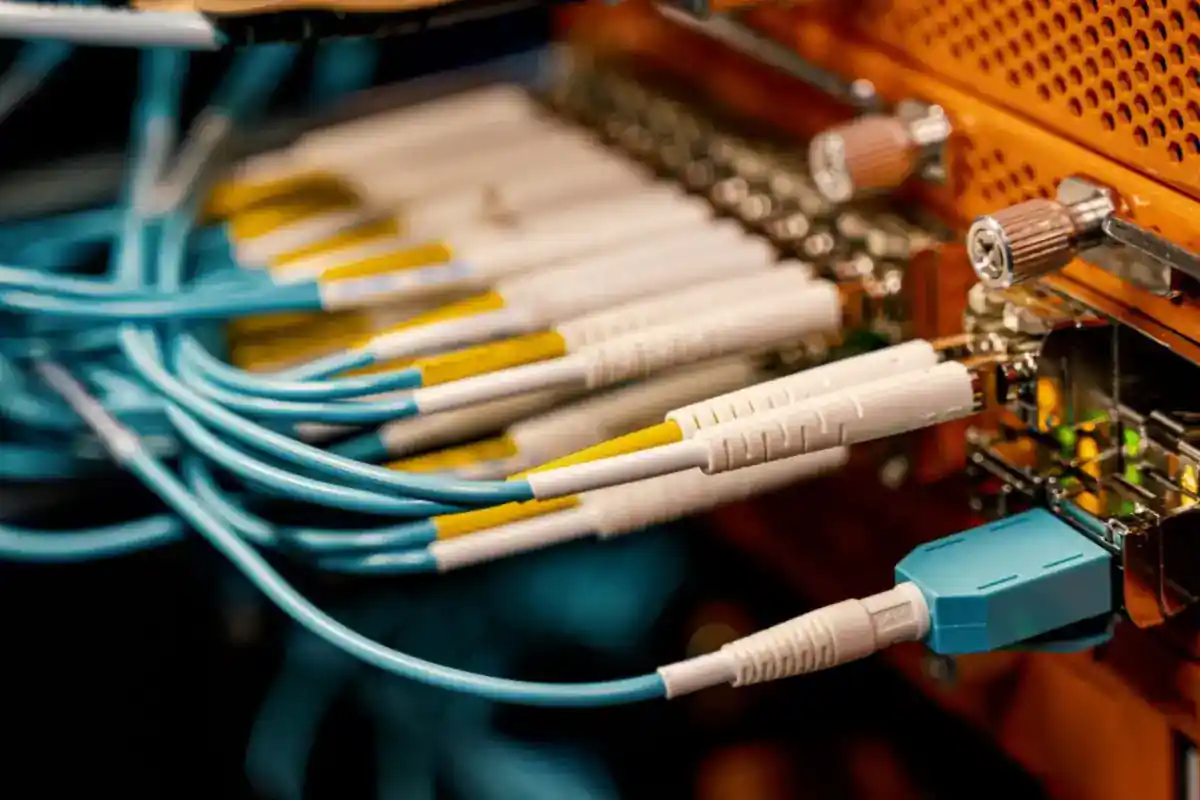
Copper involves pairs, termination order and electrical transmission characteristics. Fibre requires its own work, including connector inspection, cleaning and sometimes splicing. The test methods also differ: copper certification, optical-loss measurement and OTDR testing answer different questions. The installer chooses the method for the medium and specified task rather than assuming all cables can be assessed with the same instrument.
Why are cable labels and test reports part of patch-cabinet handover?
A test result is useful only when its cable and ports can be identified. Numbering on the installation must therefore match the documentation. This supports acceptance and later troubleshooting without investigating the wrong link. After a faulty termination is corrected, its test record is updated as well, so the report describes the installation actually left in service.
More about this occupation
Occupational, training and technical sources relevant to this page.
- HTC International — Het werk van een datamonteur
- SBB / KiesMBO — Elektrotechnische installaties
- Data Bekabeling en Netwerken | Cuppen Techniek
- Okablowanie strukturalne, sieci strukturalne, instalacje, normy okablowania - CC Partners | C&C Partners
- Szkolenie na Certyfikowanego Specjalistę Pomiarów Okablowania - Fluke Networks
- VM Redes • VM Redes - Serviços e soluções
- Cabling Certification | Fluke Networks
- DSX CableAnalyzer Series (Replaces DTX) | Fluke Networks
- Certified Cabling Test Technician Training Program | Fluke Networks
- Kwaliteit en zekerheid bij databekabeling met Fluke meetapparatuur - Optinet B.V.