What does this occupation involve?
Technical insulation must fit straight sections, bends, valves and other shapes. Materials and finishes follow the specification, while maintenance points must remain accessible. You may use flexible insulation, preformed sections and protective cladding. Neat joints and carefully finished connections matter to the result. Industrial insulation and building services insulation can involve different materials and working conditions.
Pipe insulation depends on continuous system details
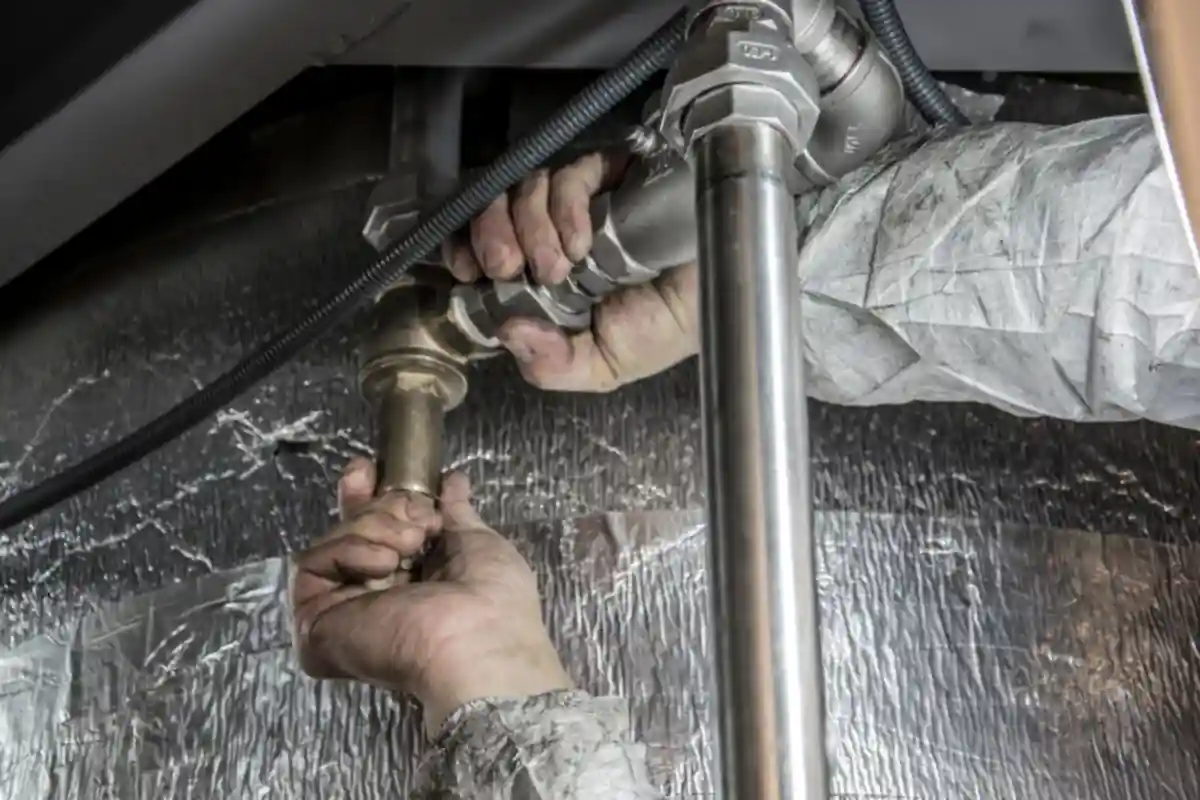
An insulation installer works with more than the visible jacket. Service temperature, pipe shape and environment determine the specified system. Hot services involve controlling heat loss, while cold services make moisture ingress and condensation especially important. Mineral wool, elastomeric foam and protective metal cladding have different functions and application methods. Bends, flanges, valves and supports create details that need careful continuity. Thickness and material come from the specification. An open seam or damaged vapour barrier can reduce performance even when the completed outer surface looks neat.
What will you do?
- Check drawings, surfaces and specified materials.
- Measure and prepare insulation sections.
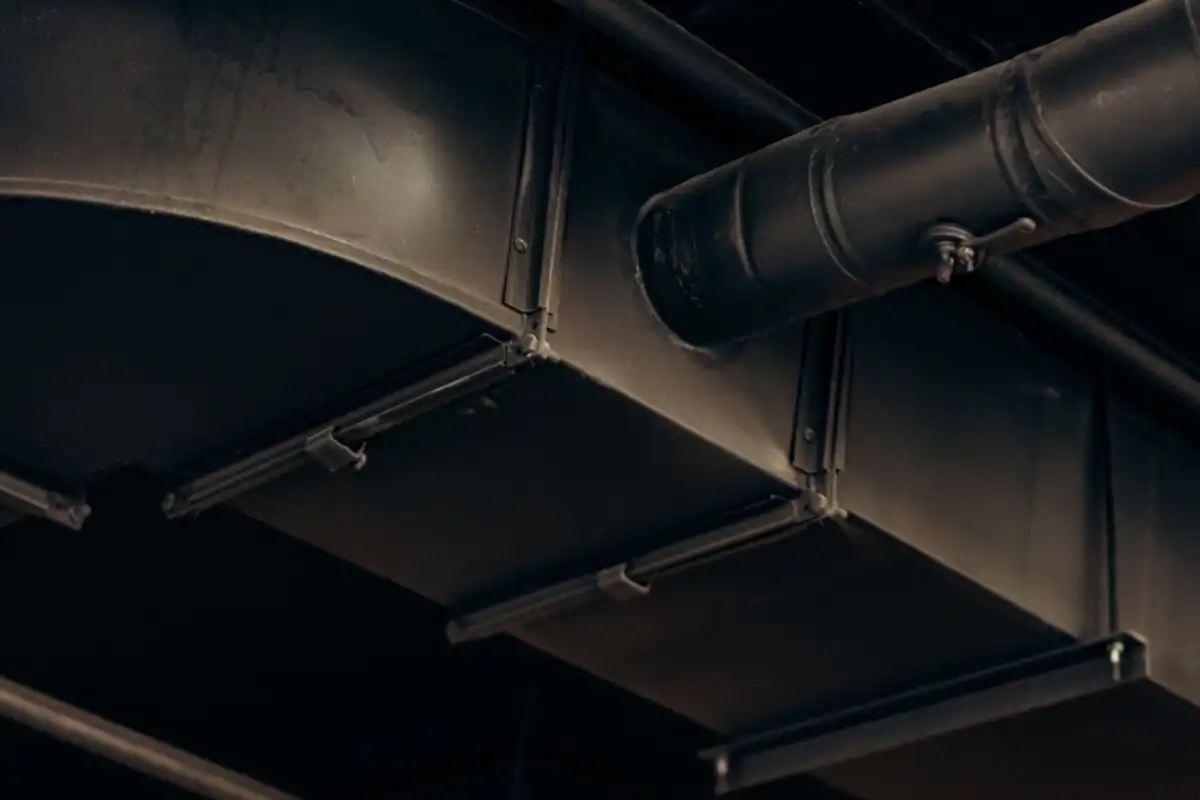
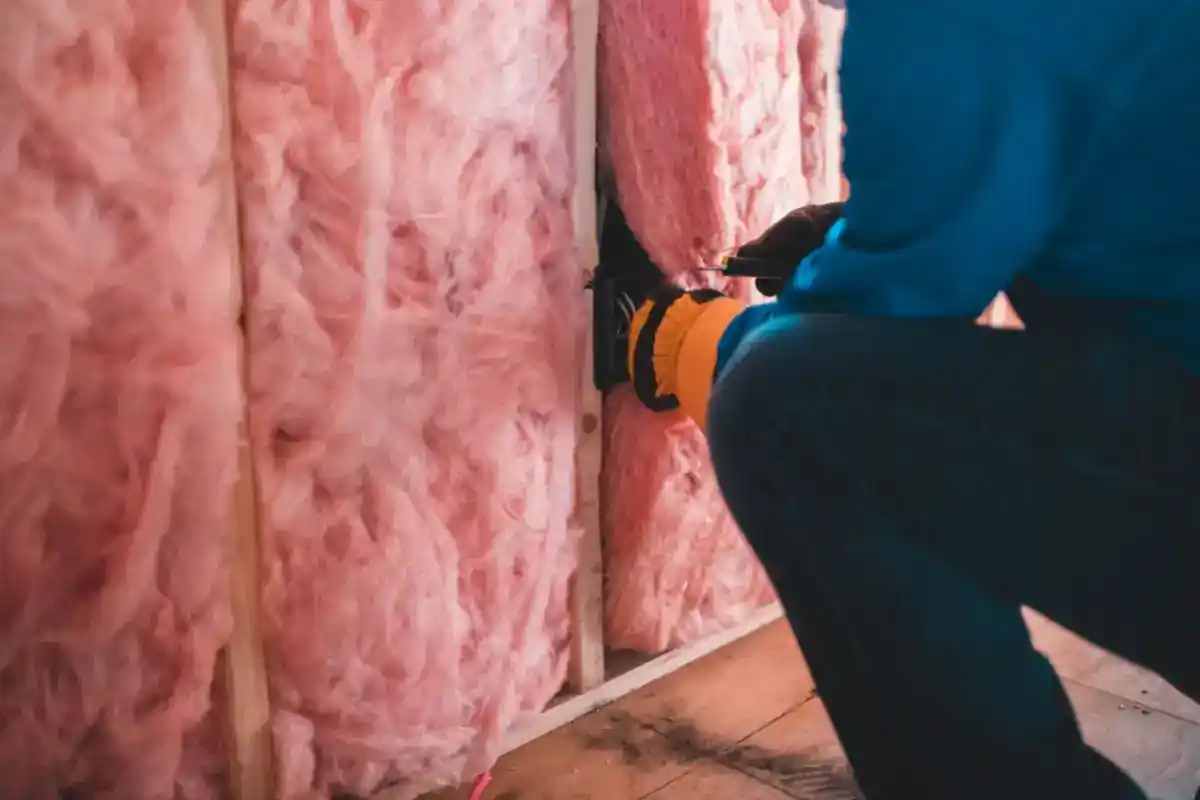
- Cover pipes, ducts and equipment as instructed.
- Finish joints, connections and protective coverings.
- Inspect the completed work and clear offcuts.
Where will you work?
You may work in a workshop, plant room, commercial building or industrial facility. Space can be restricted. Access and the release of equipment for work are agreed with the responsible team.
What does a working day look like?
You first check the shape, dimensions and required finish. You then prepare pieces and install them in a practical sequence. Particular attention goes to joints and areas vulnerable to damage.
Which skills and experience help?
Manual dexterity, accurate cutting and measurement are useful. Describe experience with pipe insulation, duct insulation or metal cladding. The employer explains the instructions and protective equipment appropriate to the materials and site.
How can you develop?
You can develop skills in complex industrial insulation, cladding fabrication or measuring up projects. Experienced installers may also support and train newer colleagues.
Your practical experience
Describe hot or cold service, material and the components insulated: straight pipe, bends, flanges or valves. Distinguish applying insulation from fabricating metal cladding, or explain where you did both. Include how you checked joints and interfaces and preserved the specified access to components needing future maintenance.
Practical questions about the trade
Why does cold pipe insulation differ from insulation on hot services?
Moisture from the surroundings can become a major issue on cold services. The system must retain its specified resistance to moisture ingress at seams and interfaces as well as on straight sections. Hot insulation has different service conditions and material choices. Temperature, environment and application govern selection; materials or adhesives from another job cannot simply be substituted unchecked.
Why do bends, flanges and pipe supports need particular insulation care?
These locations change the geometry or interrupt the insulation envelope with supports and connections. Poorly fitting pieces, gaps and damaged interfaces can reduce performance. Installers therefore follow the specified system details and check how supports and insulation work together. Components needing future maintenance also require the intended access or removable arrangement rather than being accidentally enclosed beyond practical reach.
Is a metal jacket the same as a vapour-tight insulation layer?
Cladding protects insulation against specified influences such as damage or weather, depending on its design. It is not automatically the required vapour barrier. The whole system needs to control moisture ingress. Moisture beneath insulation can contribute to corrosion, so damaged seams, wet material or a deteriorated substrate need assessment before the work is closed and those conditions become hidden.
More about this occupation
Occupational, training and technical sources relevant to this page.
- SBB / KiesMBO — Werktuigkundige installaties
- Verwerker Armaflex II - OOI
- Verwerker Thermaflex I - OOI
- ZPE — Materiały do izolacji ciepłochronnych i zimnochronnych
- Wprowadzenie - Montaż izolacji przemysłowych - zpe.gov.pl
- Armacell — ArmaFlex Ultima cryogenic: manual de aplicação
- Technical insulation of process pipework & equipment | Armacell
- Technical insulation of refrigeration equipment | Armacell