What does this occupation involve?
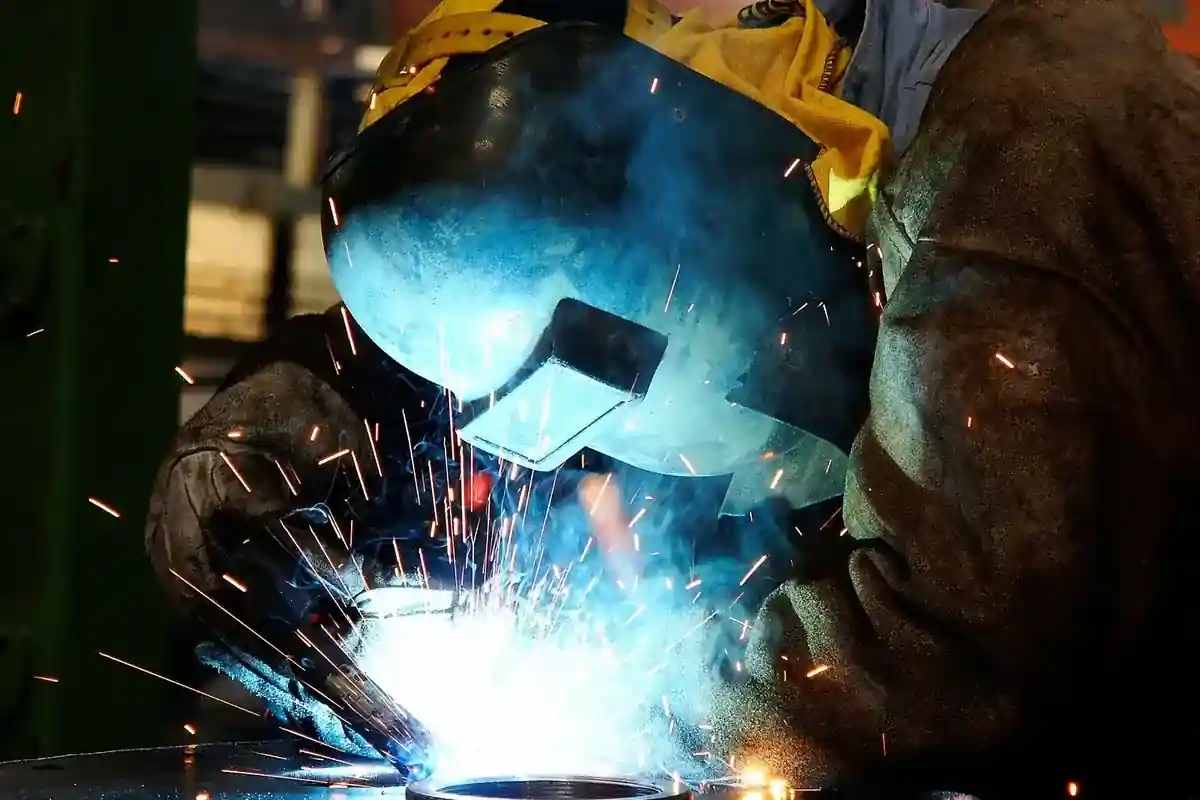
Pipefitters turn drawings and isometric diagrams into sections for factories, machinery and industrial installations. You consider dimensions, supports and access as you build the assembly. Some sections are prefabricated in a workshop; others are fitted on site. Welding may be part of a particular assignment, but it is a separate skill. Experience fitting pipes does not automatically qualify someone for every welding process or material.
Pipe fitting turns drawings into a workable assembly
A pipefitter translates drawings into prepared pipes, bends, flanges and fittings. Material grade, diameter, wall thickness and joint type must match the job. Isometric drawings explain the route in space, while site measurements and available access need checking against them. Joint preparation, flange orientation, supports and maintenance access matter during assembly. Work may include preparation, tacking and installation; final welding requires its own competence and any applicable qualifications. Dimensional discrepancies need resolving before components are forced to fit. Testing and release follow an established procedure for the system.
What will you do?
- Read drawings and check the required pipe components.
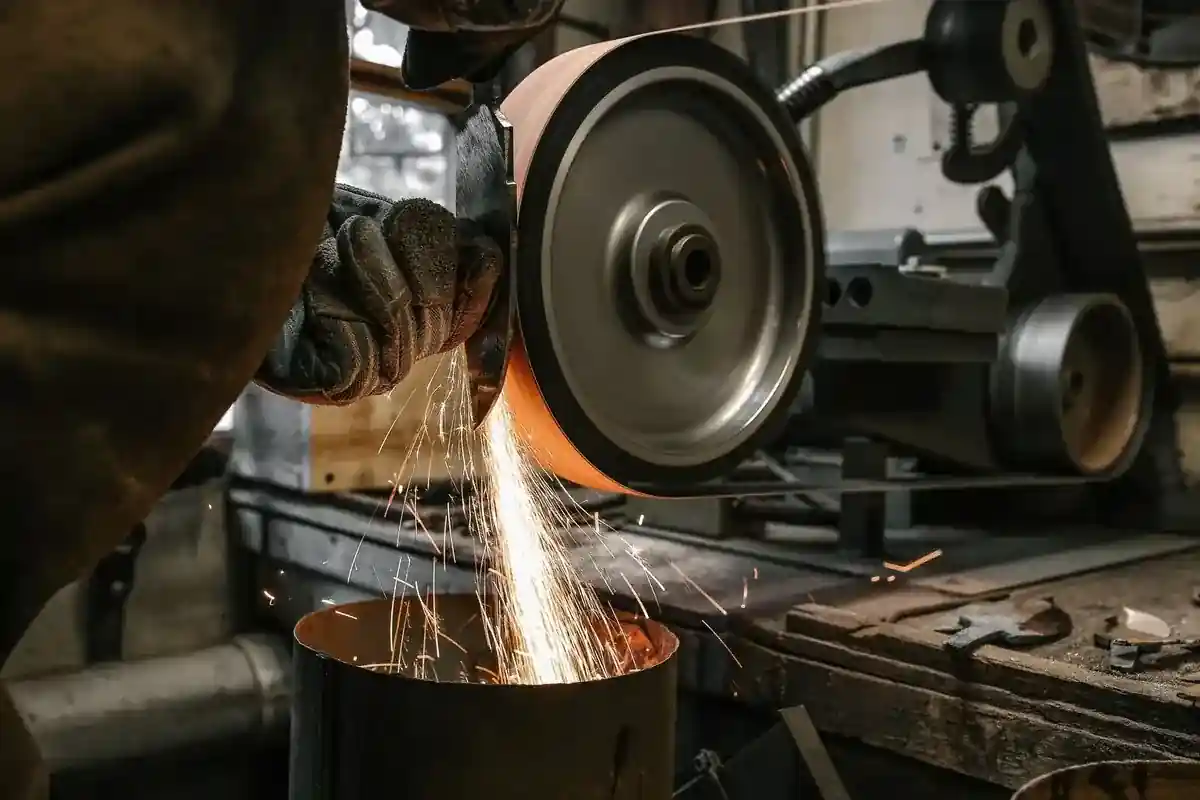
- Mark out, cut and prepare pipe sections.
- Align bends, flanges and valves for assembly.
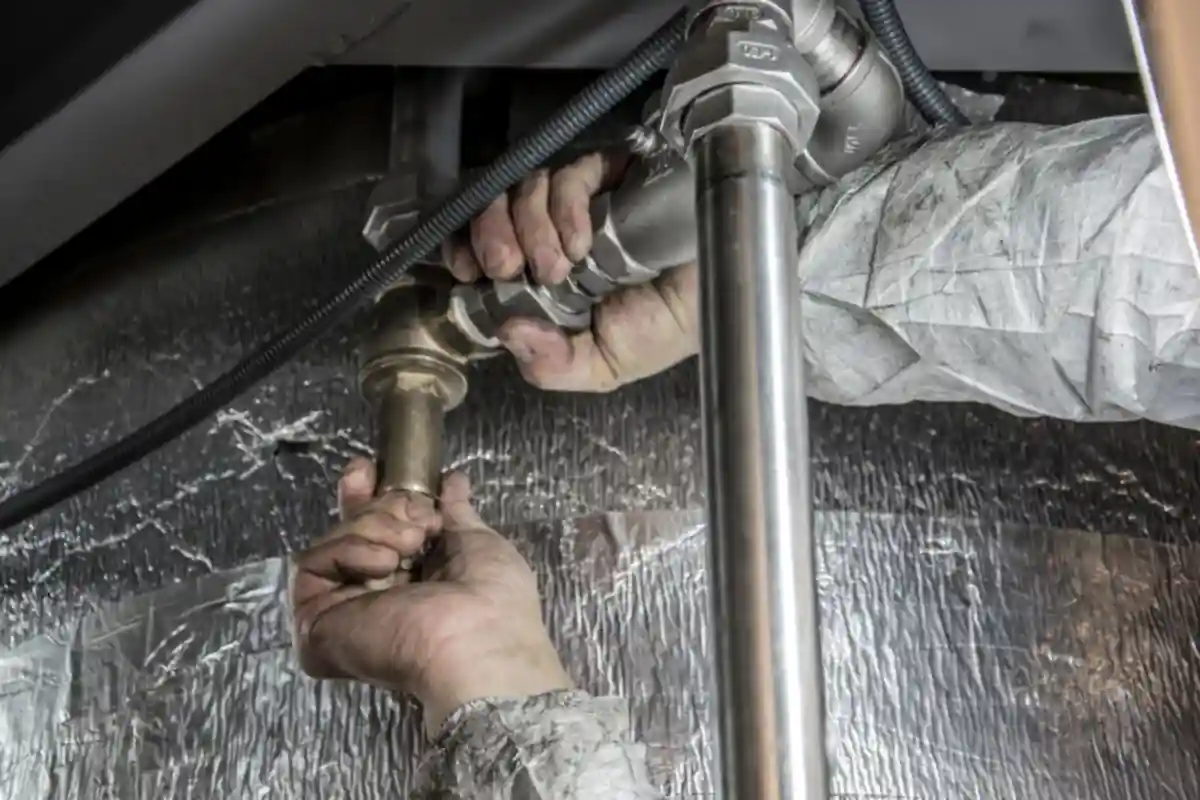
- Install pipework and supports to the agreed specification.
- Check dimensions, fit and completed connections.
Where will you work?
You may work in a fabrication workshop, factory or industrial construction site. Coordination with welders, other fitters and supervisors matters. Existing installations must be released for work under the site's procedures.
What does a working day look like?
The day starts with drawings, materials and a job briefing. You prepare components and assemble a section, checking measurements along the way. This helps catch a small error before it affects the final installation.
Which skills and experience help?
Spatial awareness, careful measurement and knowledge of pipe materials are useful. Explain whether you have worked with steel, stainless steel, flanged connections or particular pipe sizes. Describe welding skills and qualifications separately.
How can you develop?
You can develop skills in complex isometrics, independent installation or supervising a small team. Experience with different materials opens up a wider range of pipework projects.
Your practical experience
Use a carbon-steel or stainless-steel pipe assembly as an example: which drawing did you use, how did you establish dimensions and which joints did you make? Distinguish prefabricated spools from site installation. Also explain whether you prepared and tacked parts or carried out final welding and inspection.
Practical questions about the trade
What does a pipefitter read from an isometric drawing?
An isometric drawing shows the three-dimensional pipe route and the relationship between straight sections, bends and connections. Associated information specifies dimensions, materials and components. On site, those details are compared with connection points and available space. Reading the drawing also means recognising missing or unclear information that must be resolved before the pipe section can be fabricated correctly.
What should a pipefitter check around flanged joints and pipe supports?
Checks cover the specified components, joint position and accessibility, and suitable support for the pipe section. Gaskets, fasteners and other parts must match the specification. A joint should not compensate for a dimensional or alignment error by being forced together. Assembly and any testing follow the approved instructions; generic tightening values are not a substitute for the actual joint requirements.
Does pipefitting experience automatically include qualified final pipe welding?
Pipefitting focuses on preparing, positioning and assembling pipework. Tacking may form part of that work, but final welding needs its own process competence and any required qualifications. Materials and welding methods must suit the assignment. Describe fitting, tacking and final welding separately so the actual stages of fabrication you performed and checked are clear to the employer.
More about this occupation
Occupational, training and technical sources relevant to this page.
- Nederlands Instituut voor Lastechniek — Pijpfitter
- SBB / KiesMBO — Werktuigkundige installaties
- SBB — Werktuigkundige installaties: tekeningen en flensverbindingen
- Ministerstwo Rodziny, Pracy i Polityki Społecznej — Monter rurociągów przemysłowych
- CENFIM — Serralheiro/a Tubista
- IEFP — Diagramas isométricos e instalação de tubagens industriais
- Maritime pipeworker
- Skills England — Maritime pipeworker assessment plan