What does this occupation involve?
In conventional machining, you control many operations directly at the machine. You read the drawing, select tools within the agreed process and establish a suitable sequence. The work appears in repair shops, maintenance departments and production of individual parts or small batches. Measuring throughout the job helps identify deviations before later operations.
Workholding and measurement before the final cut
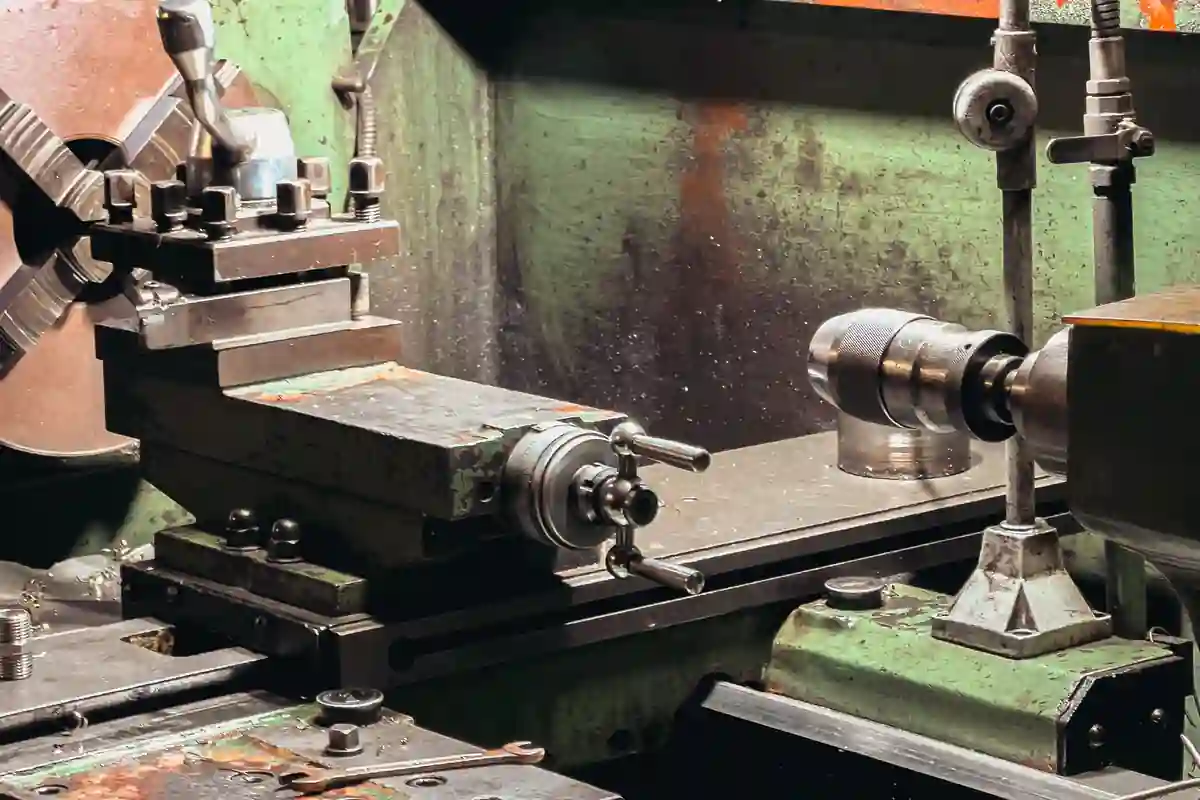
A manual machinist makes components on manually set lathes or mills, often for one-off work, repairs and small batches. The drawing defines dimensions, datums and tolerances, guiding the machining sequence. Chucks, vices and supports must hold the component securely without unnecessary distortion. Material and tooling also shape the approach. Measuring between cuts with calipers, micrometers or indicators helps reveal errors before finishing. A digital readout assists positioning, but does not choose the setup, machining operation or inspection method. Those decisions remain central to producing the required finished part.
What will you do?
- Read drawings and check material and dimensional requirements.
- Prepare the machine, tooling and workholding for the assigned operation.
- Turn, mill or drill components within the agreed process.
- Measure dimensions and inspect the machined surface.
- Record findings and leave the machine and tools in order.
Where will you work?
You usually work in an engineering workshop alongside other machining or repair activities. Workpieces can vary considerably in size and condition. Good lighting, suitable handling equipment and an organised workstation support accurate work.
What does a working day look like?
You review the drawing and plan the operations. After preparing the machine, you machine and measure in stages. A repair assignment may also involve discussing how the new part must fit an existing assembly.
Which skills and experience help?
Drawing reading, measuring and an understanding of tools and materials are essential practical strengths. Explain which lathe and milling operations you can perform independently. CNC experience is useful background but does not automatically demonstrate manual-machine competence.
How can you develop?
You can specialise in precision repair, more complex components or additional machining processes. Further training may also provide a route towards CNC machining or supporting apprentices in the workshop.
Your practical experience
A turned shaft or milled mating face provides a clear example of turning a drawing into a part. Describe material, workholding, measurement references and instruments. Separate lathe and milling experience, including any threading, boring, repair work or reproduction of an existing component against defined technical requirements.
Practical questions about the trade
How does manual turning differ from manual milling?
In turning, the workpiece normally rotates while the tool forms features such as diameters and faces. In milling, the cutter rotates and the workpiece moves relative to it. This changes workholding and the features that can be produced. Both require drawing interpretation and measurement; independent lathe experience does not automatically imply the same competence on a mill.
Why does workholding affect a machined part's accuracy?
The component must resist cutting forces while remaining correctly located to its datum. Insufficient support can allow movement, while unsuitable clamping can distort the part. Tool and measurement access matter as well. The machinist therefore selects and verifies the setup before cutting and reassesses dimensional relationships when the component is removed and clamped in a different position.
When does a machinist use a micrometer rather than relying on calipers?
The instrument must suit the tolerance, geometry and access to the feature. A micrometer may suit precise diameter checks, while other features need internal gauges or indicators. Clean contact surfaces, measuring force and temperature also matter. Display resolution alone does not establish measurement accuracy; the machinist follows the specified method and checks dimensions before the final machining pass.
More about this occupation
Occupational, training and technical sources relevant to this page.
- SBB / KiesMBO — Productietechnicus
- SBB / KiesMBO — Allround productietechniek
- Tokarka uniwersalna - Obrabiarki konwencjonalne - zpe.gov.pl
- Frezarka pionowa - Obrabiarki konwencjonalne - zpe.gov.pl
- Słownik pojęć dla e‑materiału - Obrabiarki konwencjonalne - zpe.gov.pl
- Fresadora Convencional - Nível II | ATEC
- Machining technician / Skills England
- Mitutoyo — Key Concepts in the U.S. Micrometer
- Facing to Length (±.005″)