What does this occupation involve?
Refrigeration combines pipework, components, electrical control and understanding of the process. You might work on air conditioning, cold rooms or other cooling equipment. Tasks differ by installation and refrigerant. Some activities require specific qualifications; general fitting experience is not always sufficient. You undertake only the work you are trained and authorised to do, with responsibilities agreed before the assignment starts.
Diagnose the whole refrigeration circuit
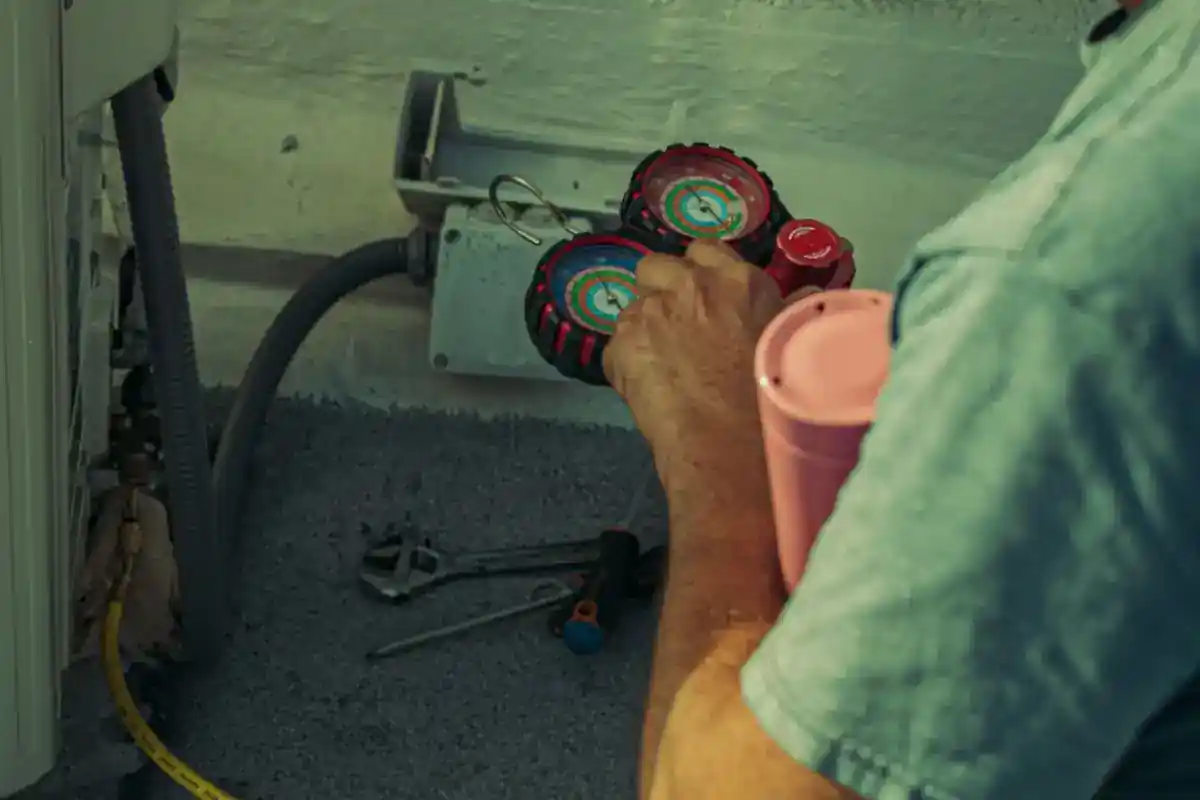
A refrigeration technician considers the compressor, condenser, expansion device and evaporator together. Poor cooling may arise from airflow, control or refrigerant-feed problems. Pressure readings are therefore compared with temperatures and operating conditions. Superheat and subcooling help describe the process rather than providing isolated answers. Circuit work includes distinct activities such as leak detection, recovery and evacuation. Refrigerant choice affects components, hazards and the competence required. Measurements and interventions are recorded so subsequent technicians can assess changes in the installation rather than relying on an unexplained repair history.
What will you do?
- Review installation drawings and the technical situation.
- Fit components and pipe routes within the assignment.
- Carry out agreed maintenance checks.
- Investigate faults using appropriate instruments.
- Record work and findings clearly.
Where will you work?
You work for installation or service businesses, in plant rooms and sometimes near outdoor units or on roofs. Customers may include shops, factories and building operators. Site service requires coordination with the customer.
What does a working day look like?
You discuss the system and the reported fault or installation task. After checking conditions, you complete your assigned work and report the outcome. Specialist activities are allocated to appropriately qualified colleagues.
Which skills and experience help?
Technical understanding, careful measurement and a systematic approach help. State the systems and refrigerants you know and your qualifications. Describe installation, maintenance and independent fault diagnosis separately.
How can you develop?
You can specialise in particular cooling systems, air conditioning or controls. Further training may support greater responsibility for service and testing.
Your practical experience
A cold room with inadequate capacity makes a useful fault example. Explain the pressures, temperatures, airflow and control information you checked and how you separated possible causes. Identify refrigerants and system types, together with your involvement in pipework, leak investigation, maintenance and recording the repair and its measured result.
Practical questions about the trade
Why does a refrigeration technician assess both superheat and subcooling?
They describe different parts of the refrigerant process and are interpreted alongside pressures, temperatures and system design. Low suction pressure does not identify one certain cause. Airflow or expansion-valve problems can resemble insufficient refrigerant. The technician compares several observations before choosing a diagnosis or intervention, instead of treating one gauge reading as conclusive evidence.
Is evacuating a refrigeration circuit the same as checking for leaks?
No. They have different purposes and positions in the work procedure. Leak investigation looks for unwanted loss or lack of tightness; evacuation prepares the circuit by removing unwanted air and moisture. Suitable methods depend on the system and refrigerant. Results are recorded, and neither activity automatically replaces the other in preparing or repairing the installation.
Can a refrigeration technician use the same approach for every refrigerant?
Refrigerants differ in pressure behaviour, flammability and component compatibility. For work in the Netherlands, applicable personal certification must also match the refrigerant and activities. Experience with one refrigerant does not automatically authorise work on all others. Check current scope and documentation rather than treating an old certificate title as universal evidence of suitability.
More about this occupation
Occupational, training and technical sources relevant to this page.
- SBB / KiesMBO — Koude- en klimaatsystemen
- SBB / KiesMBO — Werktuigkundige installaties
- Koudemiddelentransitie directeuren, eigenaren en HR - NVKL
- Welke certificaten zijn er bij de installatie van een warmtepomp nodig? - NVKL
- Jak działa chłodziarka? | Jak działa lodówka | Danfoss
- Centrum zmian dotyczących czynników chłodniczych Danfoss | Danfoss
- Manuseamento de F-GASES e refrigerantes inflamáveis — ISQ Academy
- Troubleshoot Cold Room Faults | Diagnosis Guide | Danfoss
- Ref Tools App : Suction pressure too low