What does this occupation involve?
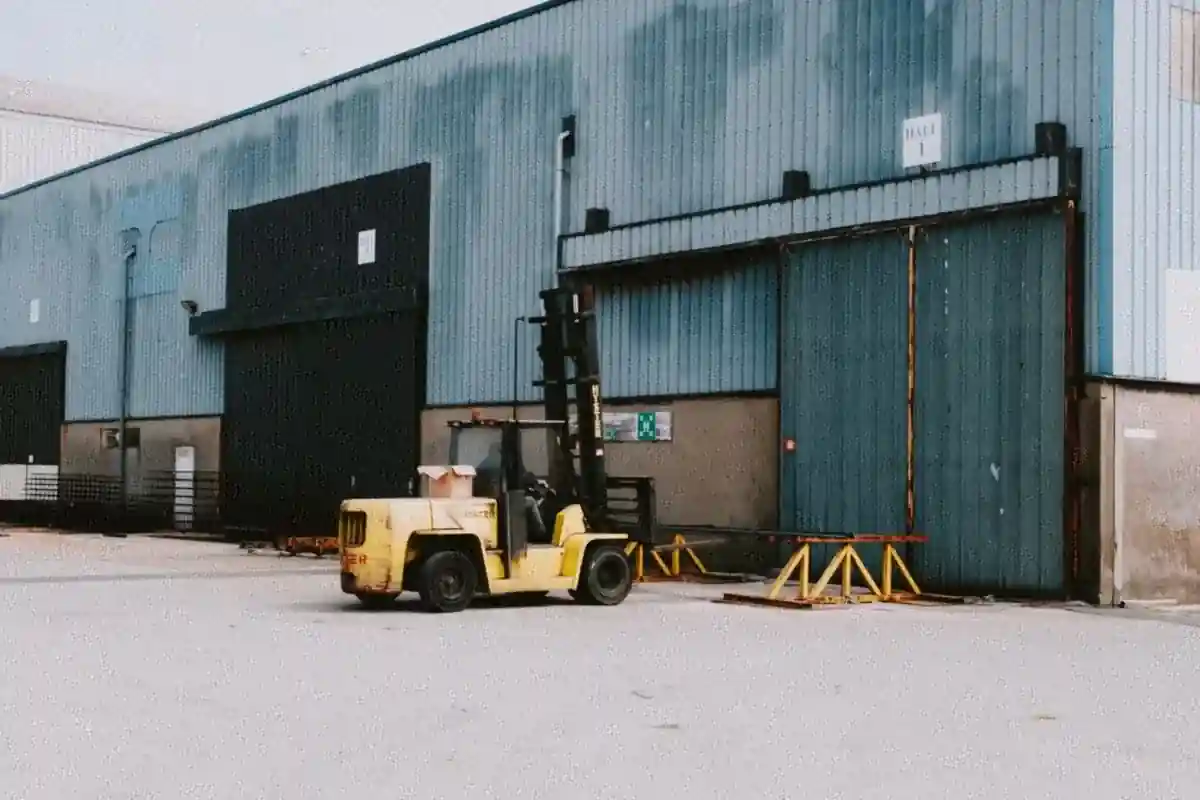
Counterbalance forklifts are often used for transport, loading and unloading. Reach trucks are designed for working with warehouse racking. Their controls, visibility and working conditions differ, so experience with each must be considered separately. The role also includes checking loads, locations and records.
Truck choice matters as much as the pallet movement
Counterbalance and reach-truck driving are distinct forms of experience. Counterbalance trucks are common in general handling and loading work; reach trucks often serve warehouse racking. The correct application depends on the individual model, floor conditions and available space. Drivers check the truck, pallet, load and destination, use the relevant capacity information and report damaged racking. Barcode scanning connects a movement to stock records but cannot confirm load stability. At a loading bay, the agreed arrangements for the vehicle, dock equipment and pedestrians must also be in place before handling starts.
What will you do?
- Check the truck and work area according to daily instructions.
- Move approved loads to the correct location.
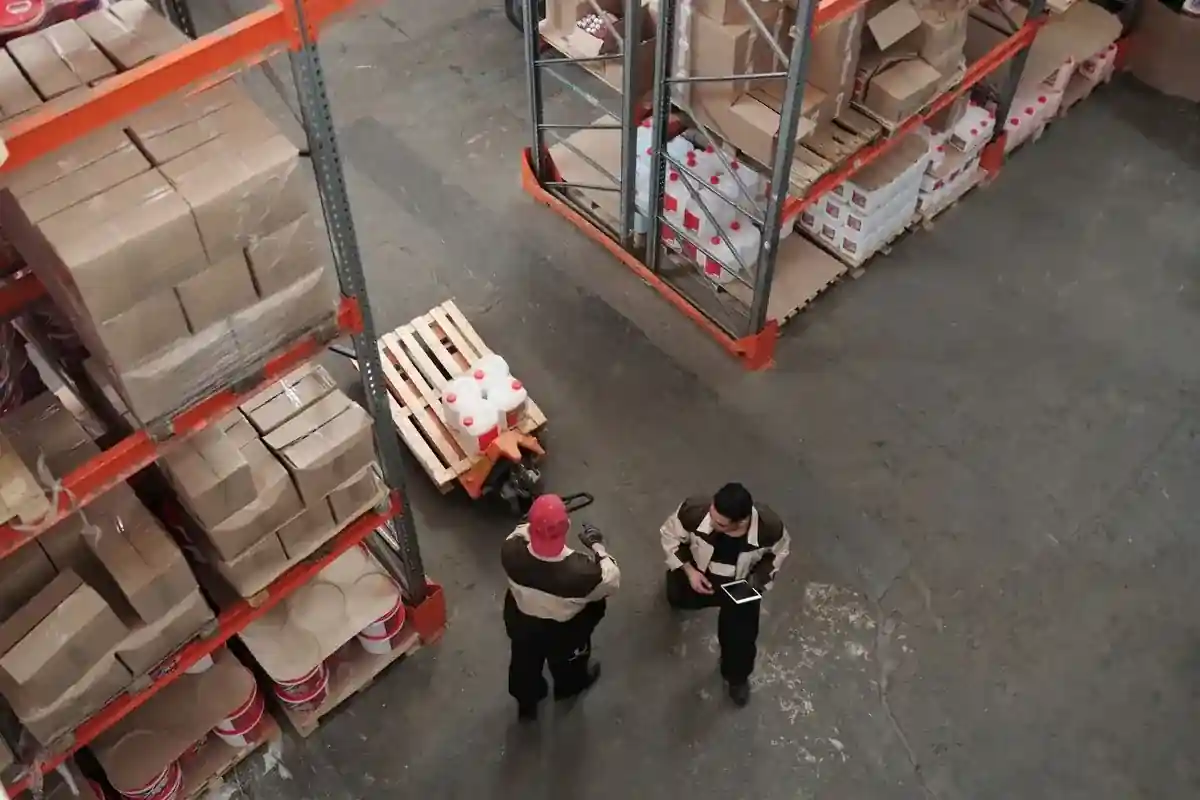
- Place or retrieve goods in racking using the agreed method.
- Support loading and unloading and notice unstable or damaged loads.
- Record movements and report unsafe situations.
Where will you work?
You may work in warehouses, distribution centres or factories. Pedestrians, other trucks, loading bays and narrow aisles can share the workplace. Temperature, schedules and loads vary by location.
What does a working day look like?
You start with the handover and equipment checks. A scanner, schedule or colleague provides movement instructions. Between journeys you check locations and loads. You report any equipment issues at the next handover.
Which skills and experience help?
Spatial awareness, calm decision-making and attention to others are essential. Explain which trucks you have driven, how recently and what training or certificates you hold. The employer assesses appropriate instruction for the specific equipment and site.
How can you develop?
You can gain experience with different trucks, loading processes or warehouse systems. Broader logistics duties or supporting colleagues may follow with suitable knowledge and training.
Your practical experience
Describe counterbalance and reach-truck experience separately, including pallet types, racking and loading-bay duties. A useful example explains a scanned put-away task, discovery of a damaged pallet or response to a location mismatch. Training details should identify the equipment assessed without implying automatic acceptance of overseas certificates.
Practical questions about the trade
How does reach-truck work differ from driving a counterbalance forklift?
A counterbalance forklift balances a forward load with rear counterweight. A reach truck extends its mast or fork assembly to place and retrieve pallets, commonly in warehouse racking. Manoeuvring, visibility and load placement differ. Suitability for ramps, outside use and floor conditions remains model-specific, so competence on one type should not be assumed to cover the other.
Does a forklift certificate cover every truck at a Dutch workplace?
Dutch guidance requires specific competence for mobile work equipment such as forklifts. Training records can help show preparation, but the actual truck and workplace conditions also matter. Establish the tasks covered and the necessary familiarisation before operating. A certificate from another country should not be presented as automatic recognition or proof of competence on every forklift and reach truck.
What checks matter when handling pallets at racking and loading bays?
Check pallet condition and suitability, load stability, the destination and the truck capacity applicable to that lift. Damaged racking or an unresolved dock issue needs reporting before the operation continues. Scanning helps match goods to warehouse locations, but it does not replace physical checks or the arrangements that separate pedestrians and other traffic from loading work.
More about this occupation
Occupational, training and technical sources relevant to this page.
- SBB / KiesMBO — Logistiek medewerker
- Reachtruck | Toyota Material Handling Nederland
- Gebruik van arbeidsmiddelen | Arboportaal
- Wysokie składowanie | Toyota Material Handling Polska
- Elektryczne wózki widłowe z przeciwwagą - toyota-forklifts.pl | Toyota Material Handling Polska
- Empilhadores Retráteis | Toyota Caetano Portugal
- Formação de Operadores | Toyota Caetano Portugal | Toyota Caetano Portugal
- Lift-truck training - HSE
- Safe driving: loading & unloading - HSE
- Warehousing and storage: Keep it safe INDG412
- Narzędzia - Magazynier‑logistyk 7–8