What does this occupation involve?
A warehouse connects several processes. Incoming goods need checking and a storage location; outgoing orders must be complete and ready for transport. A broad logistics role can include several of these stages. Comparing deliveries with the system and reporting differences prevents colleagues wasting time looking for missing stock.
Keep the physical stock and the record together
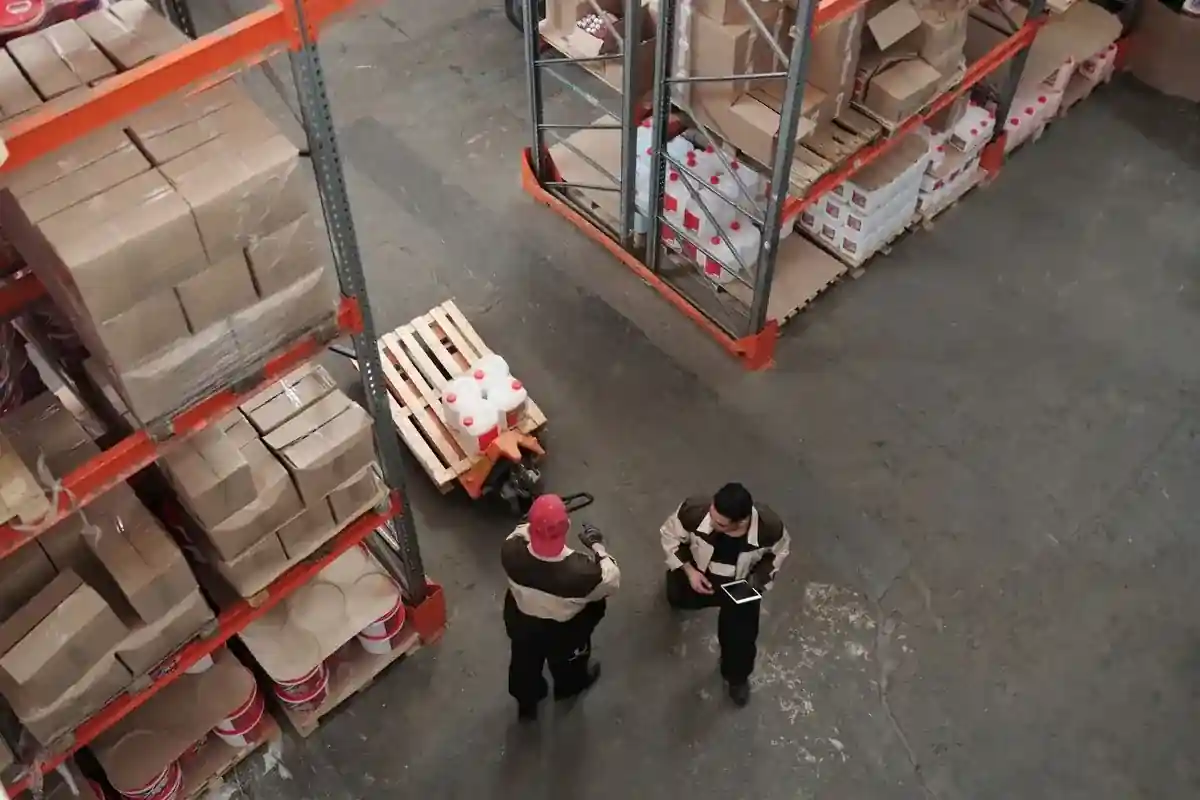
Warehouse work connects goods with reliable records. At receipt, a logistics worker checks identification, quantities and visible damage against the documents. Put-away then needs the correct location and a recorded movement. Picking requires the right item and quantity, with batch or expiry details where relevant; a similar-looking carton is not enough. Packing protects the order and supports accurate dispatch labelling. Returns and stock discrepancies follow their own handling process. Receiving, picking, inventory counting and dispatch therefore represent different practical experience even when they all use the same warehouse management system.
What will you do?
- Count incoming goods and check for visible damage.
- Scan items and put them in the agreed location.
- Support order processing and stock counts.
- Prepare shipments and check packaging and labels.
- Keep routes clear and share relevant information at handover.
Where will you work?
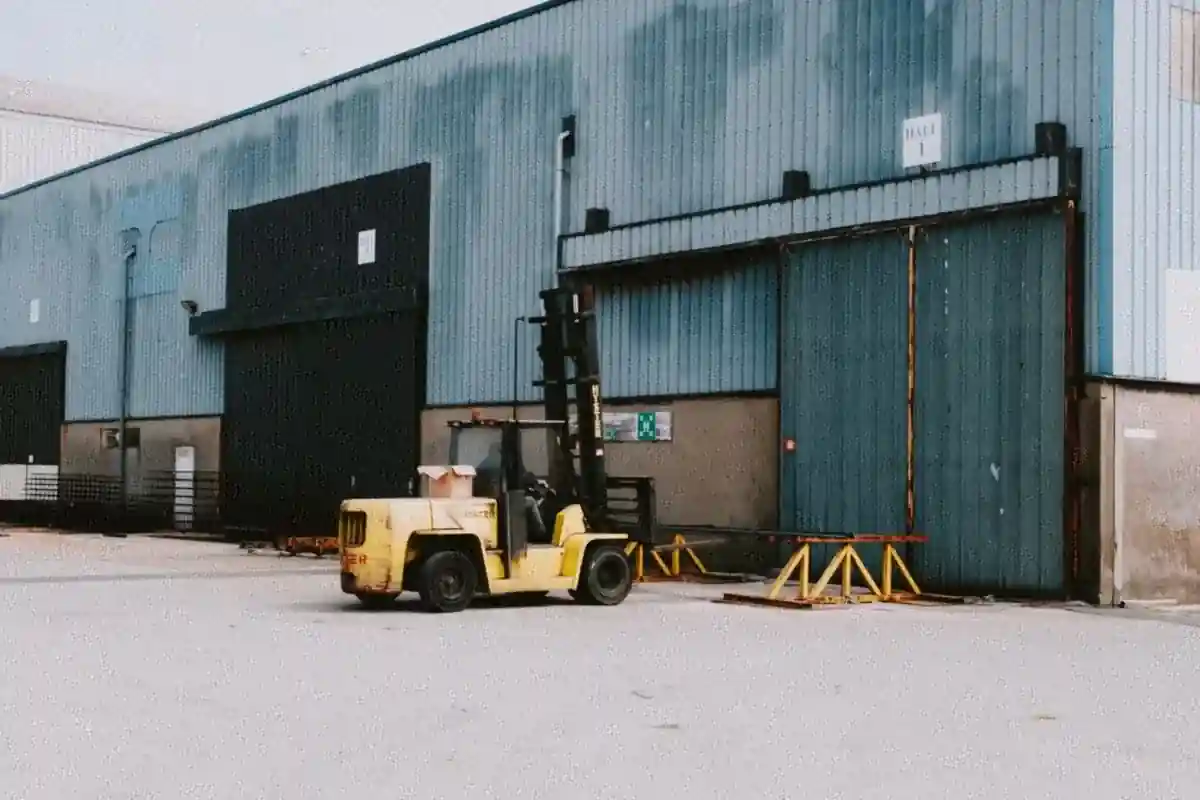
You may work in a distribution centre, wholesale business or factory warehouse. Products, temperature and workload vary. Walking and standing are common, alongside colleagues driving internal transport vehicles. Warehouse work does not automatically include forklift operation.
What does a working day look like?
You review expected deliveries and dispatches. Received goods are checked and recorded. Later you may count stock or prepare orders. An accurate scan and a clear report of a discrepancy matter more than putting something away quickly.
Which skills and experience help?
Accurate counting, understanding labels and using a scanner are useful. You must follow workplace routes and safety instructions. Describe the goods, systems and processes you know. Mention forklift experience separately, including truck type and training.
How can you develop?
You can develop in receiving, stock control, dispatch or order handling. Internal transport may be another direction after appropriate instruction and authorisation.
Your practical experience
A useful example could involve receiving a short delivery or picking an order from several locations and batches. Identify the handheld terminal, label checks and the way you recorded or escalated a discrepancy. Include stock counting, replenishment or returns only when you actually performed those activities.
Practical questions about the trade
What does a warehouse operative check at goods receipt?
Check that item identification and quantities agree with delivery information, and inspect for visible damage or missing goods. Record discrepancies through the receiving procedure before completing the appropriate put-away and stock transaction. An inaccurate receipt can later appear as a picking shortage or inventory discrepancy, even when the person preparing the order follows the instructions correctly.
What does a barcode scanner do during order picking?
It links a product or storage location to the order in the warehouse system. The worker still checks quantity, packaging condition and any required batch details. An unreadable label or mismatch between the screen and the location needs the agreed exception process. A successful scan does not by itself establish that damaged goods are fit for dispatch.
Why do stock rotation and location accuracy matter when picking?
The required picking sequence may depend on arrival order, expiry dates or product-specific rules. Accurate locations and stock records make that sequence possible. Otherwise older batches can remain behind or a count can disagree with the system. The worker follows the defined rule and reports discrepancies; one rotation method should not be assumed to suit every warehouse product.
More about this occupation
Occupational, training and technical sources relevant to this page.
- SBB / KiesMBO — Logistiek medewerker
- SBB – Logistiek medewerker: beroepsprofiel
- SBB – Logistieke werkprocessen: voorraadadministratie en verzending
- Narzędzia - Magazynier‑logistyk 7–8
- WorldSkills Portugal – Logística: descritivo técnico
- IEFP – Operador de armazenagem: perfil profissional
- Supply chain warehouse operative
- Supply chain warehouse operative / Skills England