What does this occupation involve?
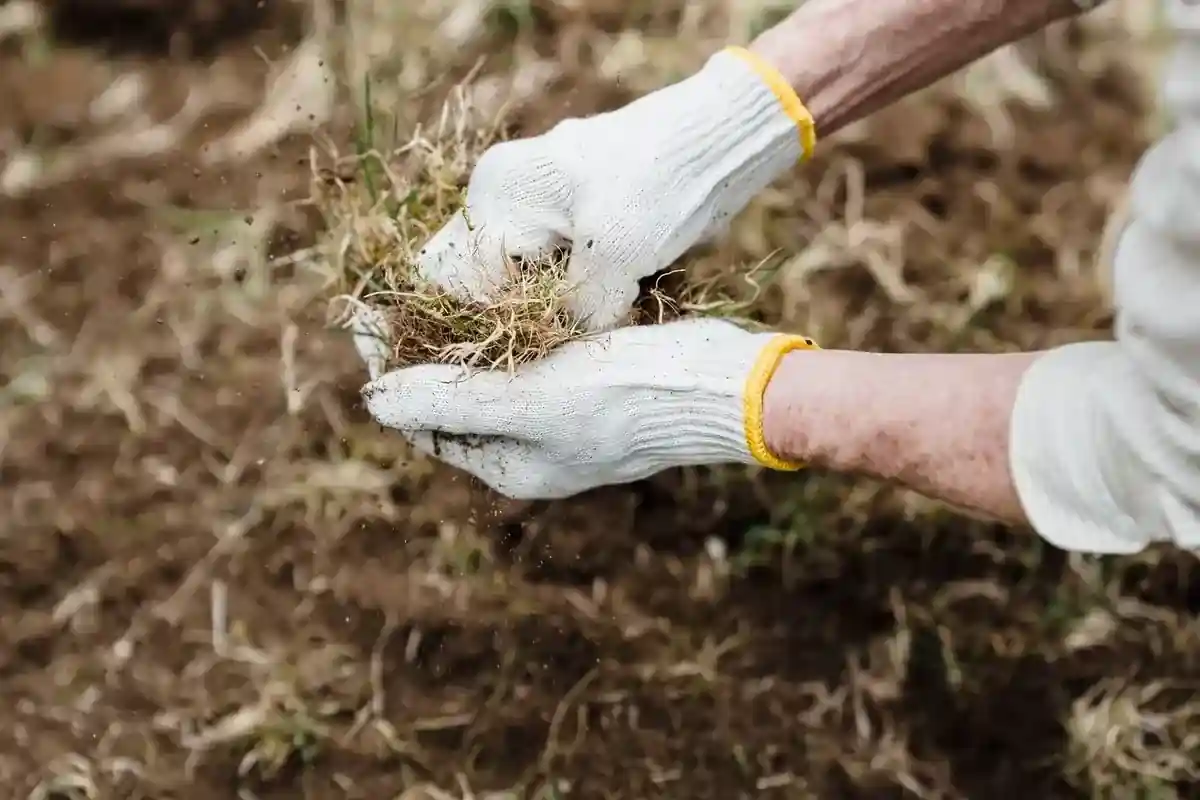
Nurseries may grow plants in open ground, pots or containers. Duties change with the season, species and growth stage. Work can include planting, potting, tying, weeding and helping with lifting and dispatch. Recognising quality differences and protecting roots and branches are important. Gardeners create and maintain green spaces for customers; nursery work focuses on producing the plants themselves.
Protecting roots from potting bench to dispatch
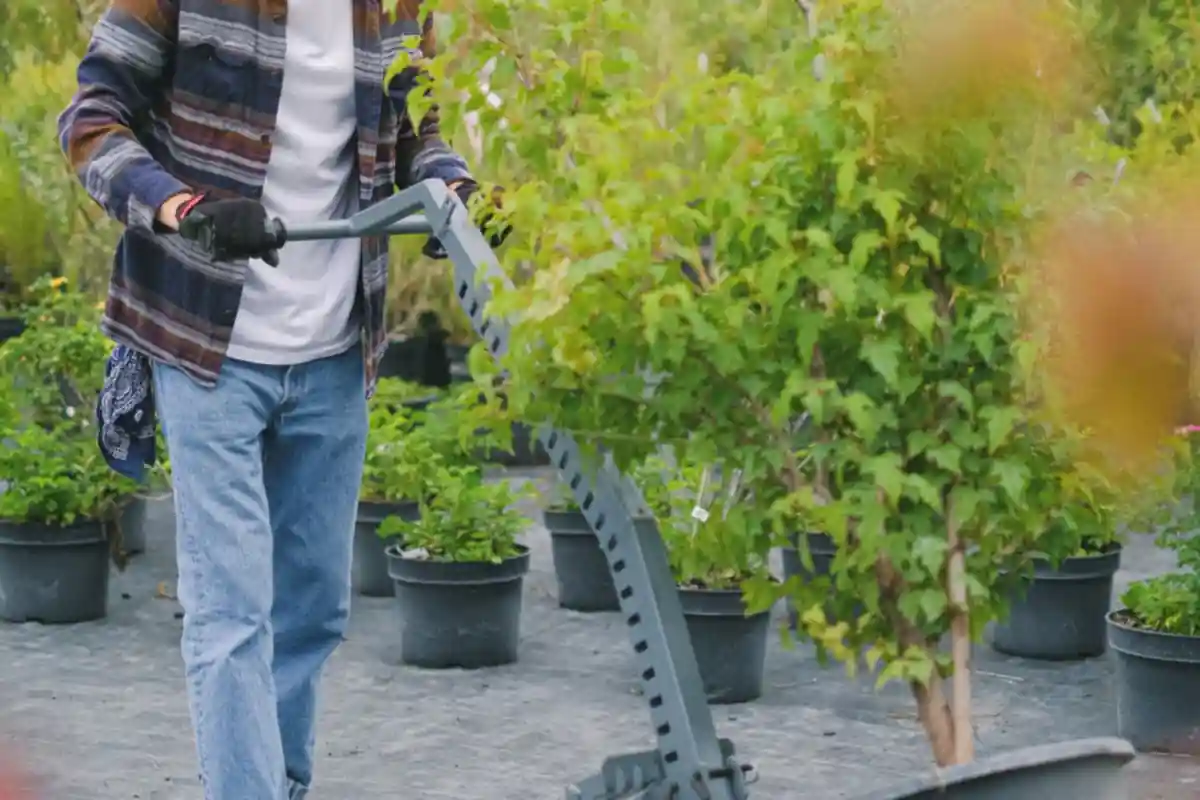
Nursery work follows the plant as well as the season. Container production involves potting, spacing and maintaining organised growing areas; field production adds lifting, root-ball preparation and grading. The worker must keep species, cultivar and size information attached to the correct stock. Pruning and tying support the intended tree form, while dispatch work requires accurate quantities and careful handling. A tree can have a good crown yet be unsuitable after root damage or drying. Machinery and lifting aids therefore matter alongside plant recognition and an eye for saleable quality.
What will you do?
- Prepare plants, pots and growing areas.
- Carry out plant care under the cultivation instructions.
- Report damage, unusual growth or other concerns.
- Grade plants and prepare them for delivery.
- Keep tools and paths organised.
Where will you work?
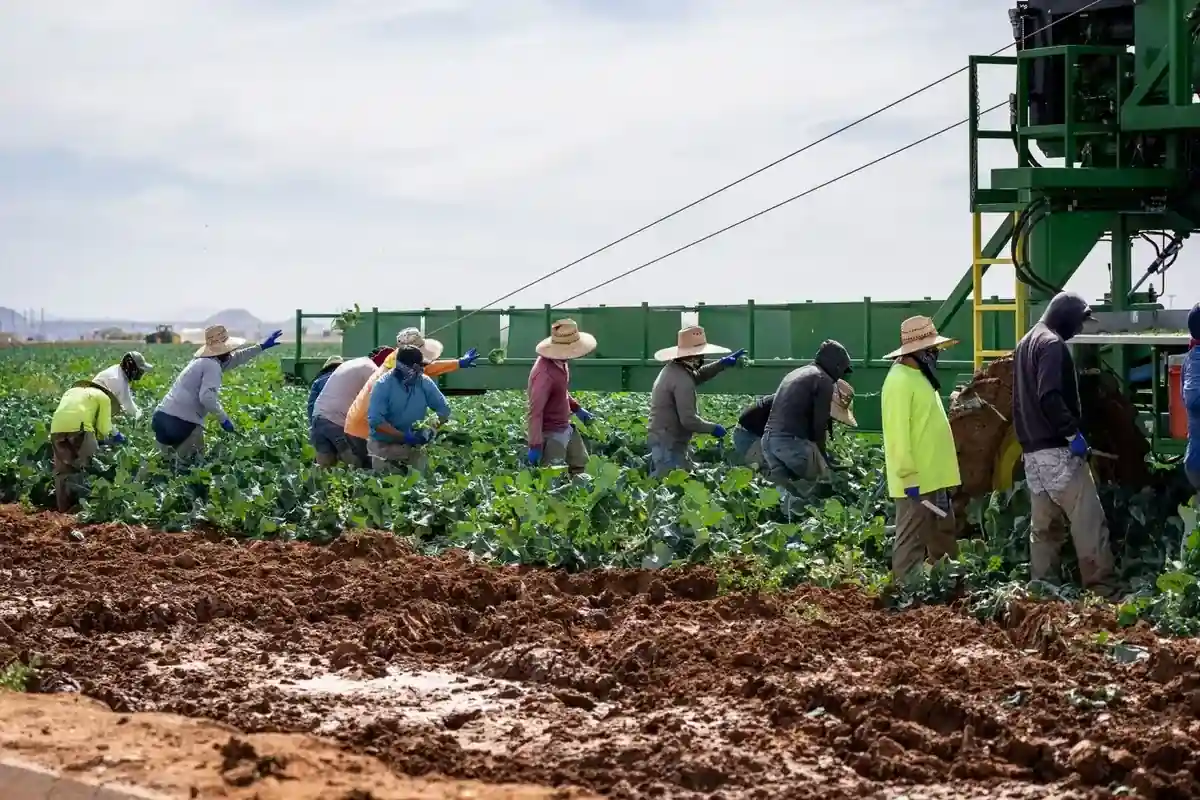
You work outdoors in fields or container areas and sometimes in sheds or greenhouses. Weather and season influence the tasks. Walking, bending and moving materials may form a large part of the job.
What does a working day look like?
You receive instructions for the growing area or plant batch. You complete the assigned care or processing work. For customer orders, you check quantities, condition and clear identification before transport.
Which skills and experience help?
Careful handwork, an interest in plants and willingness to work outdoors help. Describe potting, lifting, pruning or order-preparation experience. Machines and specialist cultivation activities require separate instruction.
How can you develop?
You can build plant knowledge and progress into cultivation, grading or nursery logistics. Experienced workers may help guide a work group.
Your practical experience
An example involving a mixed order of avenue trees or ornamental shrubs can demonstrate useful nursery experience. Explain how you checked labels and grades, protected root balls and separated damaged plants. Specify whether you used a potting line, pruning tools, tying materials or assisted with mechanical lifting.
Practical questions about the trade
How does handling differ for bare-root, root-balled and container trees?
Bare-root stock has most soil removed, making protection against drying and root injury especially important. Root-balled trees retain a supported mass of soil that must remain intact during handling. Container stock travels in its pot. These production systems change the lifting method, support, packaging and storage arrangements, rather than simply changing the sales description.
What does grading nursery trees involve?
Grading checks the correct species or cultivar and the agreed size class, followed by root condition, visible damage and the plant's form. Order labels and quantities must remain accurate throughout preparation. Stock with doubtful condition or an unsuitable grade should be separated for assessment, so that a poor plant does not disappear into an otherwise acceptable consignment.
What nursery tasks sit between planting and lifting?
Growing stock needs potting on, spacing, tying and pruning appropriate to its crop and production system. Fruit-tree nurseries may also include specific rootstock and shoot-management tasks. Order preparation introduces a different set of priorities: identification, counting, packaging and protecting the plants during movement. Experience in one nursery system does not automatically cover every other crop.
More about this occupation
Occupational, training and technical sources relevant to this page.
- SBB / KiesMBO — Medewerker teelt
- Vacature allround medewerker boomkwekerij
- Medewerker Containerveld | Smits Boomkwekerij
- National Occupational Standards — Identify, collect and prepare plants for sale or dispatch
- RNGR — Lifting, Grading, Packaging, and Storing (Chapter 21)
- news - Jesień w szkółce
- news - Prace w szkółce na przełomie wiosny i lata