What does this occupation involve?
Bodies may combine steel, aluminium, timber, sheet materials and composite panels. You follow drawings and fit assemblies to a chassis or other base. Dimensions, fixings and finish must suit the application. Building a new vehicle body differs from repairing damage to a passenger car. Welding or electrical connections may be allocated to separate specialists within the team.
Build the body around its intended use
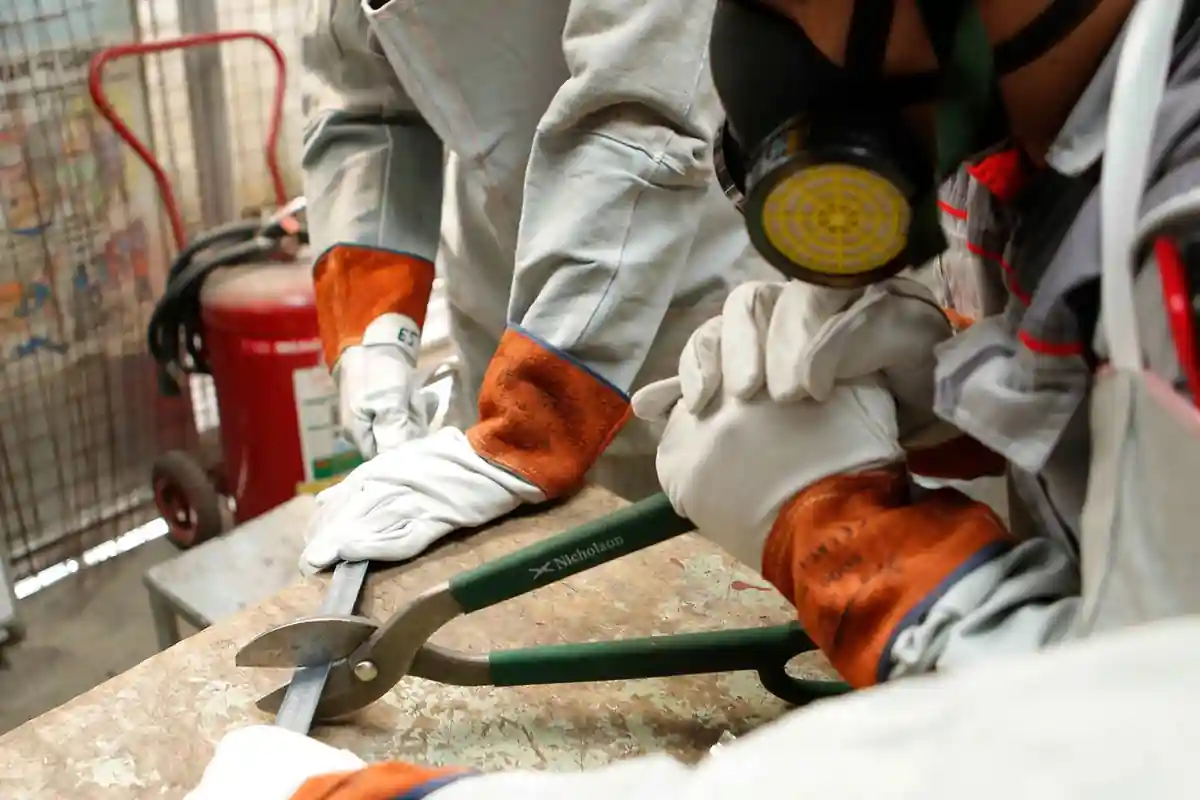
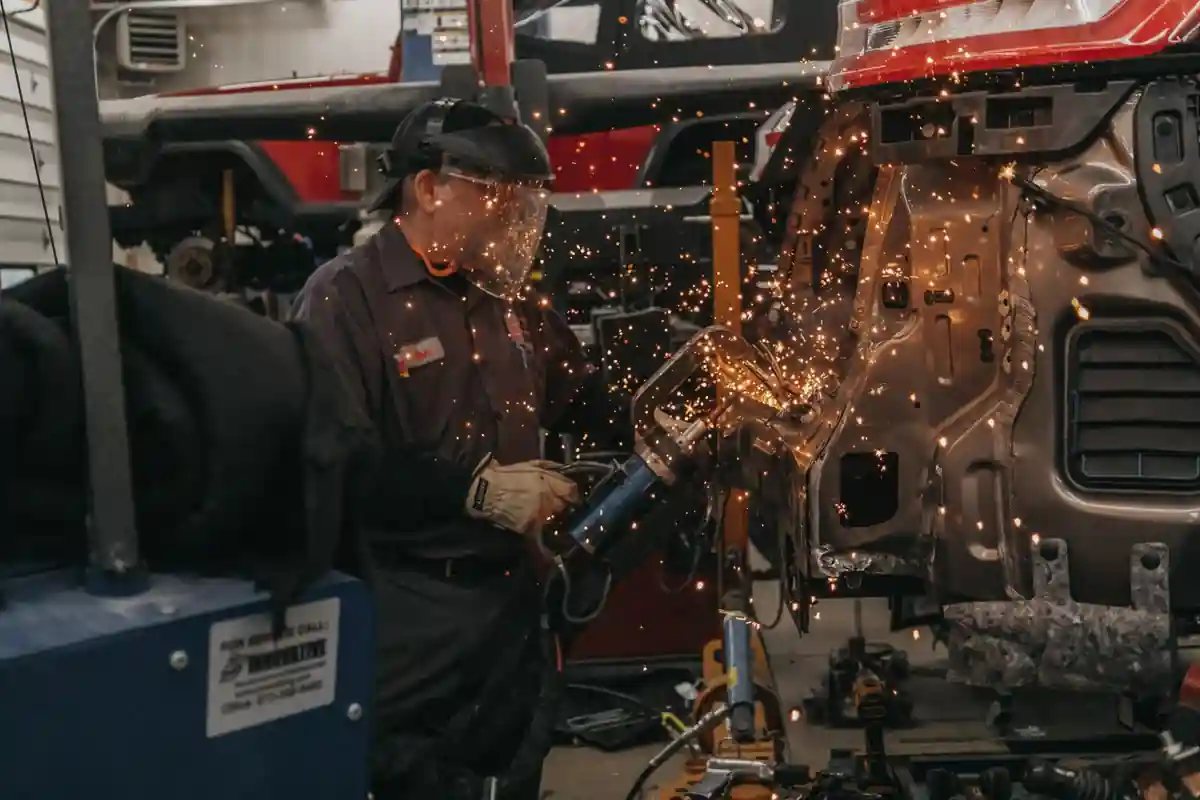
A vehicle body builder assembles a load body, box body or specialist conversion from drawings and specified dimensions. The work combines sheet, profiles, floors and fittings. Steel, aluminium and insulated panels need appropriate forming and joining methods. Fit between components and the interface with the base vehicle both matter. Welding, bonding, bolting and riveting follow the chosen construction. Completion also involves doors, seals and installed functions: correct overall dimensions alone do not establish that the body is properly finished and ready for handover.
What will you do?
- Check drawings and the supplied vehicle base.
- Prepare materials and structural parts.
- Assemble bodies, floors and panels.
- Fit doors, locking systems and accessories.
- Check fit, operation and finish.
Where will you work?
You normally work in a body-building business or specialist vehicle workshop. Projects range from standard bodies to bespoke builds. You coordinate with fabricators, fitters and finishing staff.
What does a working day look like?
You begin with the build drawing and available components. You assemble a section and check dimensions and connections. Work passes through successive stages with clear handovers between trades.
Which skills and experience help?
Drawing interpretation, practical skills and experience with varied materials help. Explain your work with assembly, joining, panels and accessories. Describe welding and electrical skills separately.
How can you develop?
You can specialise in particular vehicle bodies, bespoke construction or final assembly. With experience, you may take responsibility for a complete section or support a small assembly team.
Your practical experience
Use a box body or bespoke conversion to explain how you interpreted drawings, prepared materials and made the joints. Describe fit and function checks. Identify lighting, hydraulic equipment or insulated-panel work separately where these were genuinely part of your assembly responsibilities on the vehicle.
Practical questions about the trade
How does vehicle body building differ from collision body repair?
Body building creates or installs a body for an intended use, such as carrying goods. Collision repair returns damaged bodywork to the required condition. Tools and joining methods may overlap, but the starting task differs. Drawings, material selection, component assembly and the connection with the base vehicle guide the body builder's work.
Why do aluminium and steel vehicle bodies need different assembly methods?
Aluminium has less mass than steel for the same volume, enabling lighter body structures. Profiles and joints must still suit the engineered construction. A builder should not independently replace a steel part with an aluminium part of identical dimensions. Drawings and technical instructions establish forming, the appropriate welded or mechanical joints, and checks of the completed assembly.
What does a body builder check on a completed load body?
Checks cover dimensions, fit and attachments as well as the operation of doors and other fittings. Closed or insulated bodies also need assessment of panel connections and seals. Additional installed equipment has its own checks within the agreed scope. Deviations should be recorded and resolved before the completed body is passed to the next stage.
More about this occupation
Occupational, training and technical sources relevant to this page.
- SBB / KiesMBO — Mobiliteit en transport
- SBB / KiesMBO — Productietechniek
- Carrosseriebouw – voertuigtechniek.nl
- Carrosseriebouwer
- Producent zabudów samochodowych - MotoWektor
- Wójciccy - PRODUCENT skrzyń ładunkowych i zabudów asenizacyjnych
- Metalo Sorraia
- Empresa | Jorge Pires
- IMI Level 2 Diploma in Body Building Competence
- IMI Level 3 Diploma in Body Building Principles (VRQ)
- Materials and Fabrication | Institute of The Motor Industry
- Hydro — aluminium properties and lightweight vehicle structures