What does this occupation involve?
Products must fit the drawing, the intended space and the chosen design. Materials can include solid timber, boards, veneers and a wide range of fittings. Some roles concentrate on workshop production, while others also involve installation at the customer's premises. Bespoke work requires careful measuring, logical assembly and protecting finished surfaces. Construction carpentry is related, but has a different emphasis.
Accurate components become a well-fitting cabinet
A cabinet maker turns drawings into components that must fit after machining. Solid timber brings grain direction and movement into the joint design, while sheet materials require attention to decorative faces, edge treatment and hardware positions. Consistent reference faces matter throughout cutting, routing and drilling. A trial assembly checks joints and squareness before glue or permanent fixings restrict correction. Final work includes finishing visible surfaces and adjusting hinges and drawer runners, checking both the appearance of gaps and the movement of the furniture.
What will you do?
- Compare drawings and dimensions with the order.
- Prepare and machine timber or board materials.
- Assemble furniture and fitted interior sections.
- Install hinges, runners and other fittings.
- Adjust the finished product and inspect its appearance.
Where will you work?
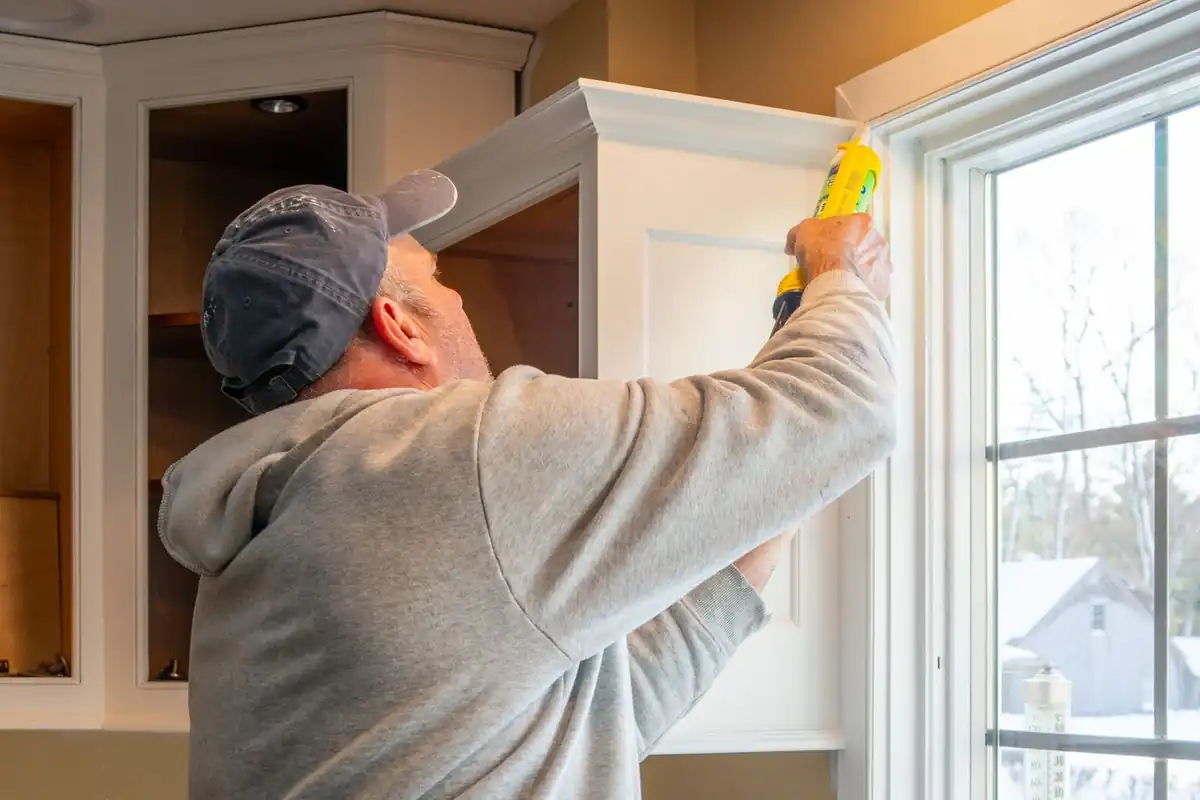
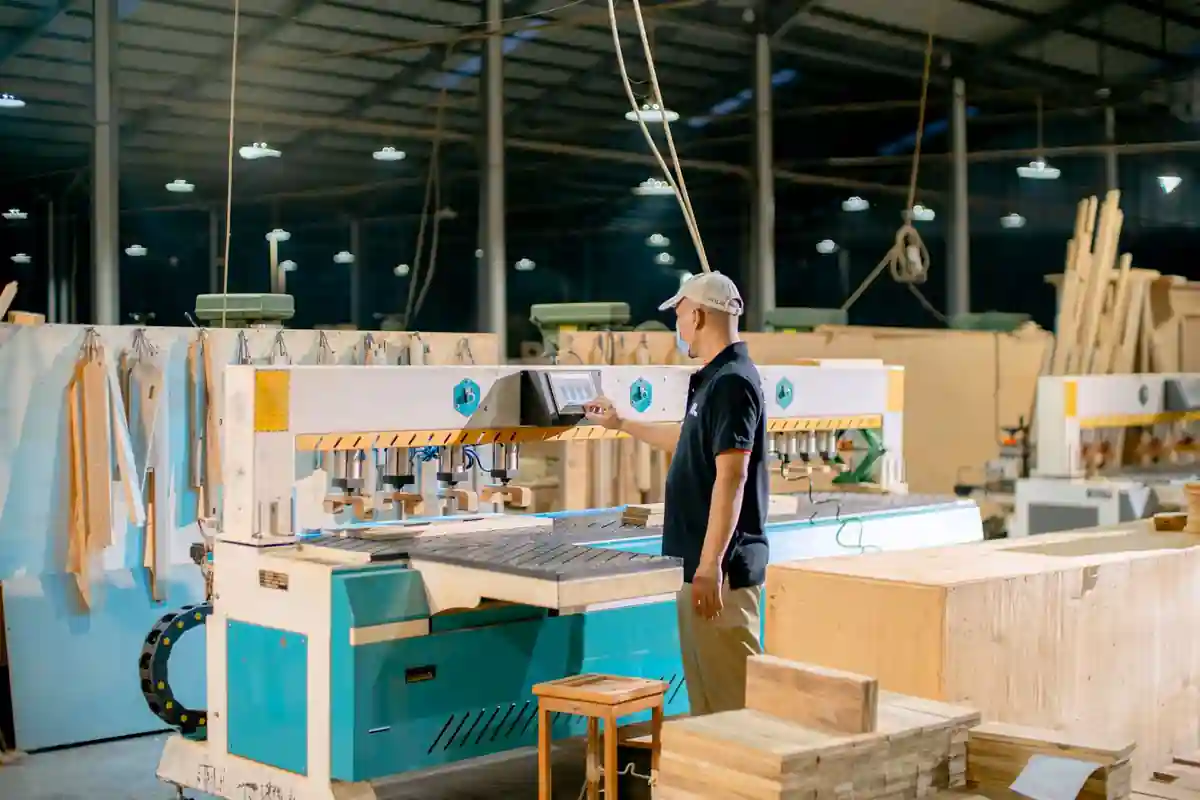
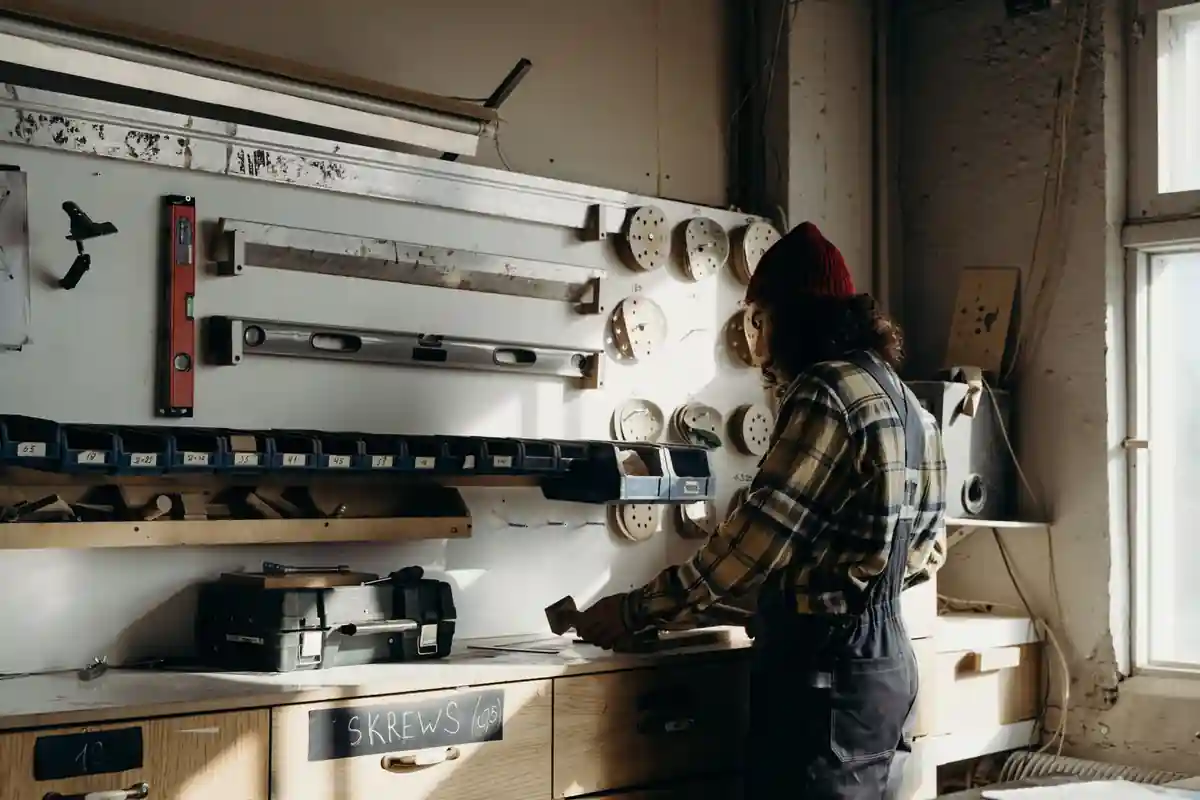
You work in a furniture or interior joinery workshop and sometimes on installation sites. Projects may include homes, shops, hotels or marine interiors, each with its own materials and detailing.
What does a working day look like?
You start with drawings and prepared components. After machining, you assemble the product, check fit and make it ready for finishing or transport. Any discrepancy is resolved before installation.
Which skills and experience help?
Accuracy, an understanding of materials and tidy workmanship are useful. Describe your experience with hand tools, woodworking machines, boards and fittings. Accurate site measurement is especially valuable for installation roles.
How can you develop?
You can specialise in complex bespoke furniture, marine interiors, machining or independent installation. Experienced cabinet makers may coordinate the delivery of a complete interior project.
Your practical experience
A veneered wardrobe or fitted reception counter makes a useful example. Identify the materials, joints and hardware involved, then explain your trial assembly and dimensional checks. Include how you protected finished edges and whether you adjusted doors and drawers or also completed installation on site.
Practical questions about the trade
How does cabinetmaking differ between solid wood and sheet materials?
Solid timber requires allowances for grain direction and natural movement in the construction. Sheet materials place different demands on clean cutting, edge finishing and fastening. The maker checks thickness, visible defects and decorative faces before further machining. Similar-looking finished cabinets may therefore need different joints, handling methods and preparation for the final finish.
Why does a cabinet maker carry out a dry assembly?
Trial assembly reveals open joints, dimensional errors and a cabinet that is out of square before glue or permanent fixings lock the problem in. Reference dimensions and divider positions are checked together. Door and drawer clearances also matter. This assesses how the complete cabinet works rather than accepting each component separately from its cutting list.
What belongs in the final inspection of fitted furniture?
Inspect visible surfaces, edge treatment, joints and hardware operation. Doors need free movement and consistent gaps, while drawers should run without binding. Compare the assembled piece with its drawing and agreed finish. Record damage or fitting discrepancies before packing or site installation, when access to edges and fixings may become more restricted.
More about this occupation
Occupational, training and technical sources relevant to this page.
- ROC Midden Nederland — Meubelmaker / interieurbouwer
- SBB / KiesMBO — Timmerman
- SBB - Specialistisch vakmanschap - Creatief Vakman Ontwerpend Meubelmaker
- Meubelmaker/(scheeps)interieurbouwer — SBB werkprocessen
- Stolarz — Wojewódzki Urząd Pracy w Łodzi
- WorldSkills Occupational Standards - Cabinetmaking
- Explore occupational profile - Canada.ca