What does this occupation involve?
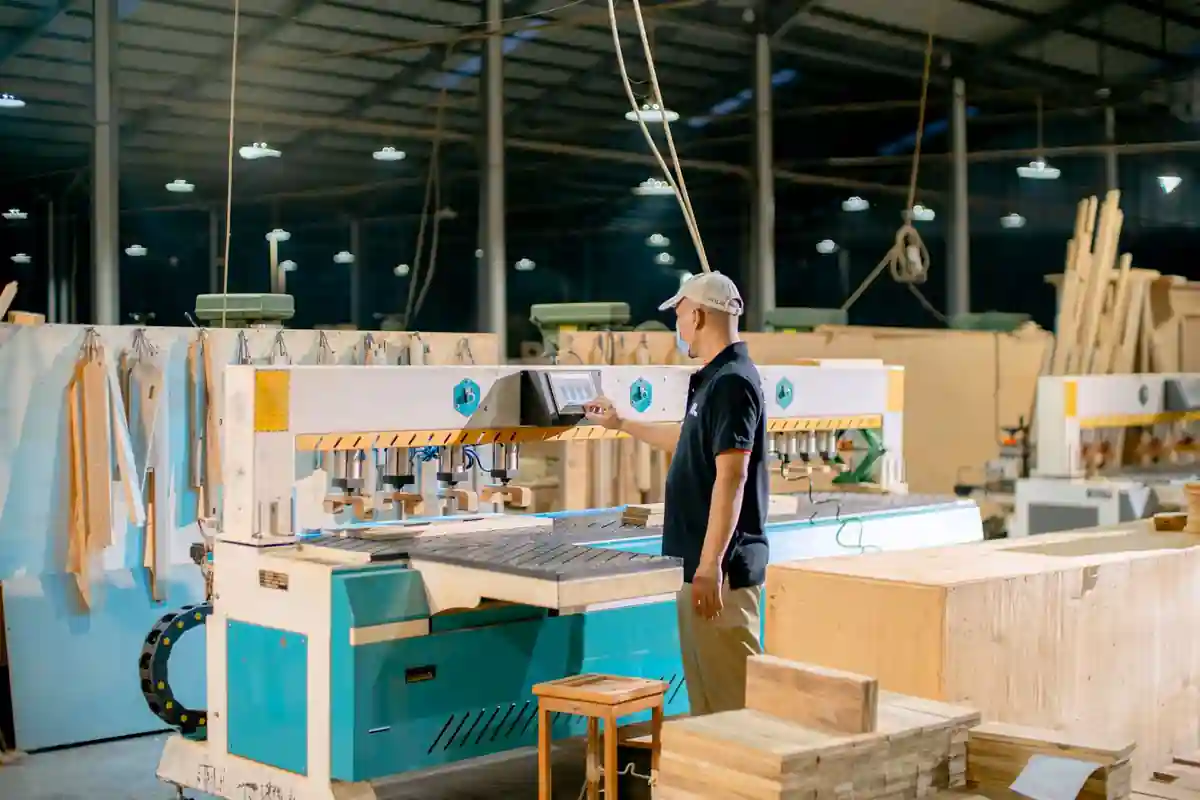
Depending on the workshop, you may saw, plane, drill or machine components for furniture, interiors or joinery products. Equipment can be conventional or CNC-controlled. Operating, independently setting up and programming a machine are different levels of experience. First pieces are checked before a batch continues. Accurate machining reduces the amount of adjustment needed during assembly.
Approve the trial piece before running the batch
A wood machinist checks timber or boards against the job and selects suitable cutting tools. Surface planers, thicknessers, spindle moulders and CNC machining centres have different capabilities and operating conditions. Setup includes support, workholding, guarding and extraction. A trial component checks dimensions, profile and finish against the drawing. During production, the machinist watches for breakout, burning or dimensional drift. Adjustments and tool changes follow the machine procedure. Feeding an established process is therefore a different responsibility from independently preparing and setting up the operation.
What will you do?
- Review drawings and material selection.
- Prepare timber or boards for machining.
- Carry out the assigned machine operations.
- Check dimensions and quality throughout the batch.
- Identify parts for the next production stage.
Where will you work?
You work indoors in a joinery factory, furniture workshop or interior manufacturing business. Dust extraction, machine instructions and an organised material flow are important parts of the workplace.
What does a working day look like?
You start with the job and machine checks. After the first operation, you measure the result. You continue the batch and keep components clearly identified for colleagues carrying out assembly.
Which skills and experience help?
Reading drawings, measuring and knowledge of timber or board products help. Name the machines you have used and whether you set them up yourself. CNC programming should be described separately from operation.
How can you develop?
You can progress into independent setup, complex machining or CNC woodworking. Quality control and production support are other possible next steps.
Your practical experience
Name the machines you actually used and a product such as profiled mouldings or cabinet components. Explain setup, tooling and measurement of the trial piece. Distinguish changing programs or settings from operating an approved batch and reporting deviations to the person responsible for preparing the machine.
Practical questions about the trade
How does operating a woodworking machine differ from setting it?
Operation may cover feeding material, monitoring the cycle and inspecting output. Setting additionally involves selecting and fitting suitable tools, establishing references and arranging safe support. Responsibility depends on the machine and job. Experience operating one woodworking machine therefore does not establish competence to prepare every operation on a different machine or feed arrangement.
What does a wood machinist inspect on a trial component?
Compare dimensions, profile and surface finish with the drawing and product requirements. Look for breakout, uneven cutting and the correct position of holes or grooves. A dimension that happens to match is insufficient if the reference is wrong. Assessment of the trial piece establishes whether production can proceed with the approved setup and inspection arrangements.
Why must woodworking tooling suit the machine and feed method?
Tools are not arbitrarily interchangeable between hand feeding, powered feed and different machines. Their construction and intended use must match the operation. Unsuitable or worn tooling can affect quality and safety. The machinist checks specifications and follows the required guarding, support and extraction arrangements without modifying protective measures merely to accommodate a difficult component.
More about this occupation
Occupational, training and technical sources relevant to this page.