What does this occupation involve?
Different cranes and sites require different experience. Mobile cranes, tower cranes and other lifting equipment are not interchangeable skill sets. You review the assignment within your responsibilities and follow the specified setup and operating limits. Control of the crane is only part of the role: preparation, communication with the lifting team and recognising changing conditions are equally important. Qualifications are checked for the crane and assignment.
Reading the chart for the crane that is actually set up
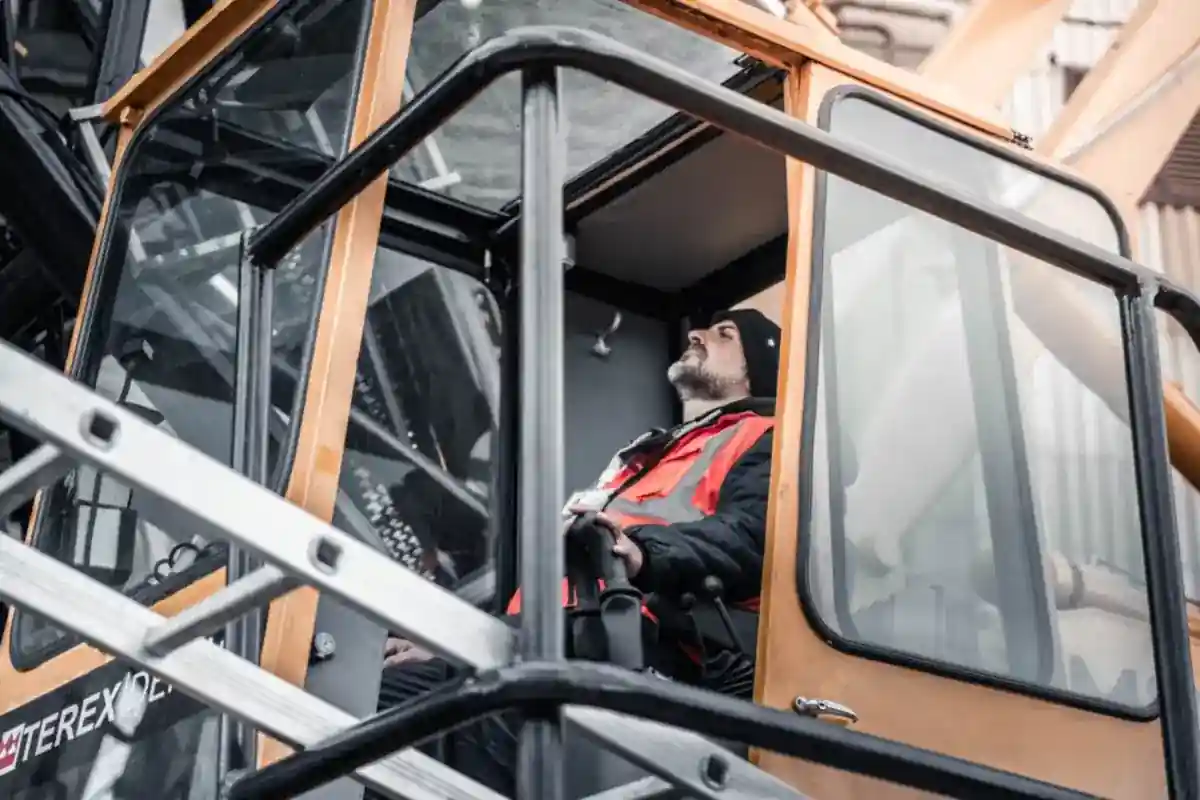
A crane operator works within the planned lifting method and the capability of the machine in its actual configuration. The crane's headline tonnage is not available at every radius. Boom length, counterweight, support arrangement and configuration determine the applicable load chart. Load mass, lifting accessories, ground conditions and obstructions also belong in preparation. During movement, the operator maintains the agreed communication with the lifting team. Lost visibility, an unclear signal or a setup that differs from the plan calls for a stop and clarification before lifting continues.
What will you do?
- Check the crane, job and available lifting information.
- Agree setup, communication and the work area.
- Move loads according to the lifting procedure.
- Monitor visibility, surroundings and changing conditions.
- Record checks, issues and maintenance concerns.
Where will you work?
You work on construction sites, industrial projects or logistics premises. Wind, ground conditions and nearby operations can affect lifting. You work as part of a team with clear arrangements for stopping.
What does a working day look like?
The day starts with inspections and a discussion of planned lifts. You carry out controlled movements, consult the team about deviations and pass relevant information to the next shift.
Which skills and experience help?
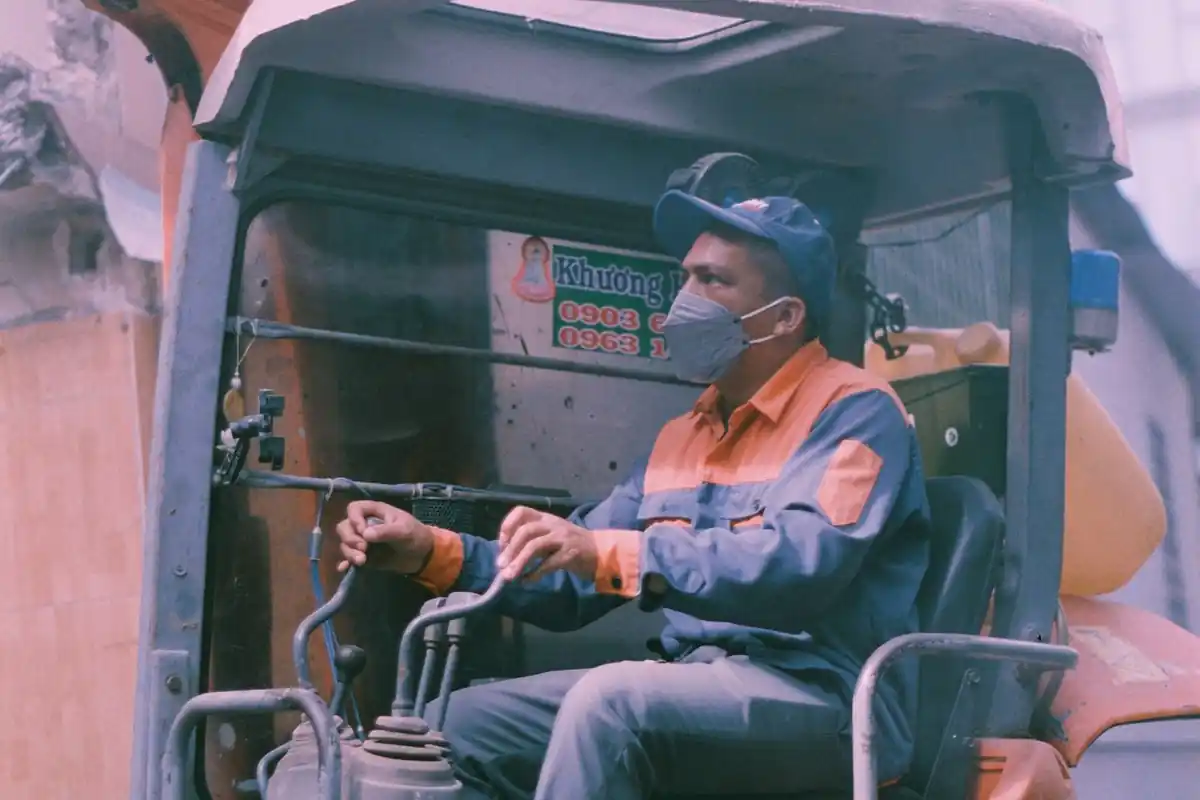
Concentration, spatial awareness and calm communication matter. State which cranes you have operated, in what conditions and with which qualifications. Earthmoving experience is different from independent lifting work.
How can you develop?
You can develop skills on other crane types, more complex lifting projects or lift preparation and coordination. Further training and demonstrated experience support that progression.
Your practical experience
A useful lifting example identifies crane type, setup, load and working environment. Explain your use of the applicable chart and communication with the signaller. Separate mobile, tower and crawler-crane experience, and identify the actual scope of any registration or competence evidence checked for the proposed work in the Netherlands.
Practical questions about the trade
Why can a crane not lift its maximum rated tonnage at every radius?
Capacity applies to a particular combination of radius, boom length, counterweight and support arrangement. Moving the load farther from the crane changes the forces acting on the system. The operator therefore uses the chart for the actual configuration. A headline brochure capacity or a chart from an earlier setup is not enough to assess a new lift.
How do the crane operator and signaller divide their responsibilities?
The operator controls the crane under the agreed lifting method. The signaller supports coordination and gives the agreed signals, particularly when the load or landing point is not fully visible. Responsibilities for attaching and checking lifting accessories must be assigned beforehand. Conflicting signals or lost communication require clarification before the team continues moving the load.
Why are ground conditions and crane support checked before a lift?
The crane transfers forces into the ground through outriggers or tracks. Ground capacity, available space and support arrangements must therefore suit the lifting plan and configuration. The load path and nearby obstructions also matter. The operator checks that the actual setup matches the preparation and has differences assessed before starting the lift.
More about this occupation
Occupational, training and technical sources relevant to this page.
- SBB / KiesMBO — Grond-, weg- en waterbouw
- Liebherr LR 1250 unplugged — Technical data and load capacities
- Crane Finder - Know your load, find your crane - Liebherr
- My Tip: Less is more - Liebherr
- Staatscourant 2025, 35699 | Overheid.nl > Officiële bekendmakingen
- BEZPIECZNA OBSŁUGA ŻURAWIA
- CICCOPN — Condutor-manobrador de equipamentos de elevação