What does this occupation involve?
Components usually arrive from a fabrication workshop. On site, you check identification marks, dimensions and the installation sequence, working closely with the lifting team. Positioning and connecting the members must follow the drawings and erection plan. Site welding may be a separate task. A steel erector therefore does not automatically need or hold the same qualifications as the welder working alongside them.
Keep the frame stable as erection progresses
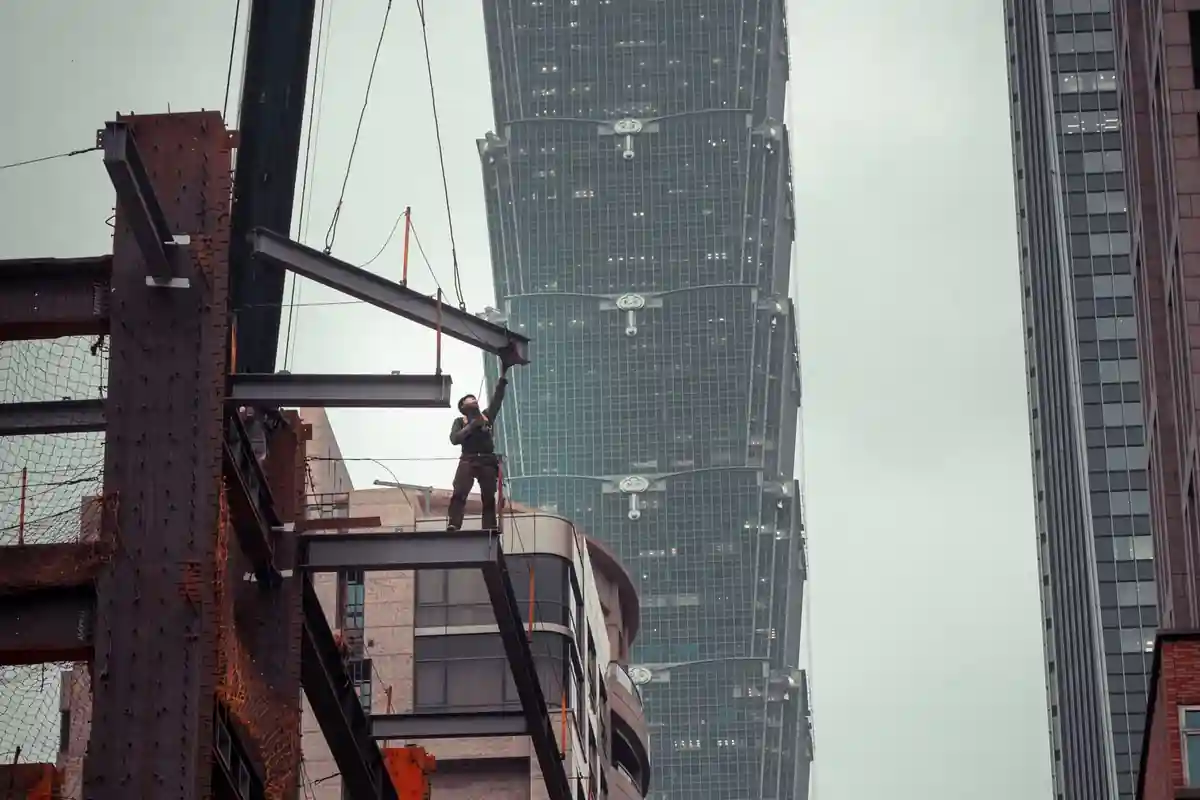
A steel erector works from erection drawings, component marks and an agreed sequence. Columns and beams need correct positioning while the incomplete frame remains stable. Temporary bracing and coordinated lifting therefore belong to the erection plan. At connections, the erector checks bolt assemblies, fit and access; not every structural bolt connection uses the same preloading method. Alignment, plumb and damage to protective finishes are recorded before later components conceal the detail. Changes to holes or members require technical assessment rather than improvised site alterations.
What will you do?
- Identify members from drawings and reference marks.
- Prepare the work area and agreed erection sequence.
- Guide and position components within the assigned role.
- Install connections and align steel members.
- Arrange checks of dimensions and completed connections.
Where will you work?
You often work outdoors on construction sites, industrial projects or steel buildings. Height, wind, lifting operations and other teams make clear instructions and coordination especially important.
What does a working day look like?
The day starts with the plan and a safety briefing. Members are positioned and connected in the agreed sequence. You check progress with colleagues before moving to the next stage.
Which skills and experience help?
Spatial awareness, reading drawings and steel installation experience help. Describe lifting assistance, access equipment and welding experience separately. Required training depends on your duties and the specific site.
How can you develop?
You can progress into more complex structures, specialist alignment work or supporting an erection team. Wider experience helps you take on greater responsibility for installation quality.
Your practical experience
Use a portal frame, platform or similar assembly to explain your experience. Describe reading component marks, coordinating with the crane operator and forming the specified connections. Include how you checked alignment and plumb, and how temporary stability was maintained through the different stages of erection.
Practical questions about the trade
Why does structural steel erection need temporary bracing?
An incomplete frame may not have the stability of the finished structure. Temporary bracing supports the planned erection sequence and expected loads. It cannot be removed simply because some connections are complete. Removal follows the approved plan and confirmation that sufficient permanent members and bracing are performing their intended stability function at that stage.
Do all structural steel bolts require the same tightening method?
Ordinary and preloaded connections have different installation and inspection requirements. Bolts, nuts and washers must form the specified assembly. The prescribed method controls tightening and any preloading; an arbitrary torque value cannot replace it. The erector also checks fit and contact surfaces, reporting discrepancies before the connection receives its final inspection and completion.
What does a steel erector inspect besides bolted connections?
Component marks, position, dimensions and plumb are checked against erection drawings. Supports, temporary bracing and access to subsequent connections also matter. Damaged coatings or misaligned holes are reported. Enlarging holes or distorting members to make them fit can change structural behaviour, so such alterations need an approved technical solution before work continues.
More about this occupation
Occupational, training and technical sources relevant to this page.
- SBB / KiesMBO — Gespecialiseerde aanneming
- Welke aansluitingen gebruik je in staalconstructies? - Galesloot Constructie
- 1. HV-boutverbindingen, voor planmatig voorgespannen boutverbindingen
- Monter konstrukcji stalowych — INFOdoradca+, Wortal PSZ
- Serviços | SMI - Soluções Metálicas Industriais
- Structural stability during erection — BCSA guidance SN21
- Temporary Bracing — BCSA guidance SN52