What does this occupation involve?
The occupation covers several machines, including excavators and loaders. The approach depends on the ground, the task and the presence of services or obstacles. You work closely with groundworkers and the site supervisor. Accuracy matters alongside output: a trench, slope or working surface must meet the agreed dimensions. Experience with one machine does not automatically mean competence with every other type.
Move material while controlling grade and surroundings
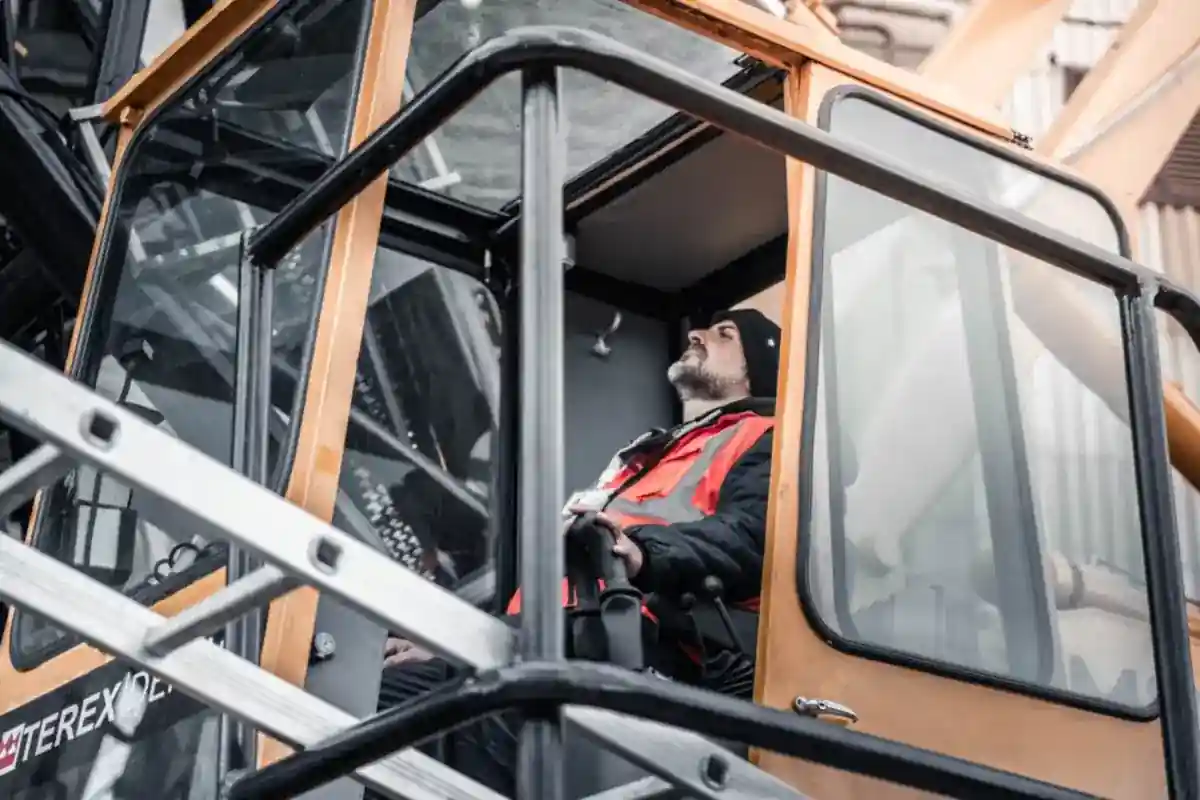
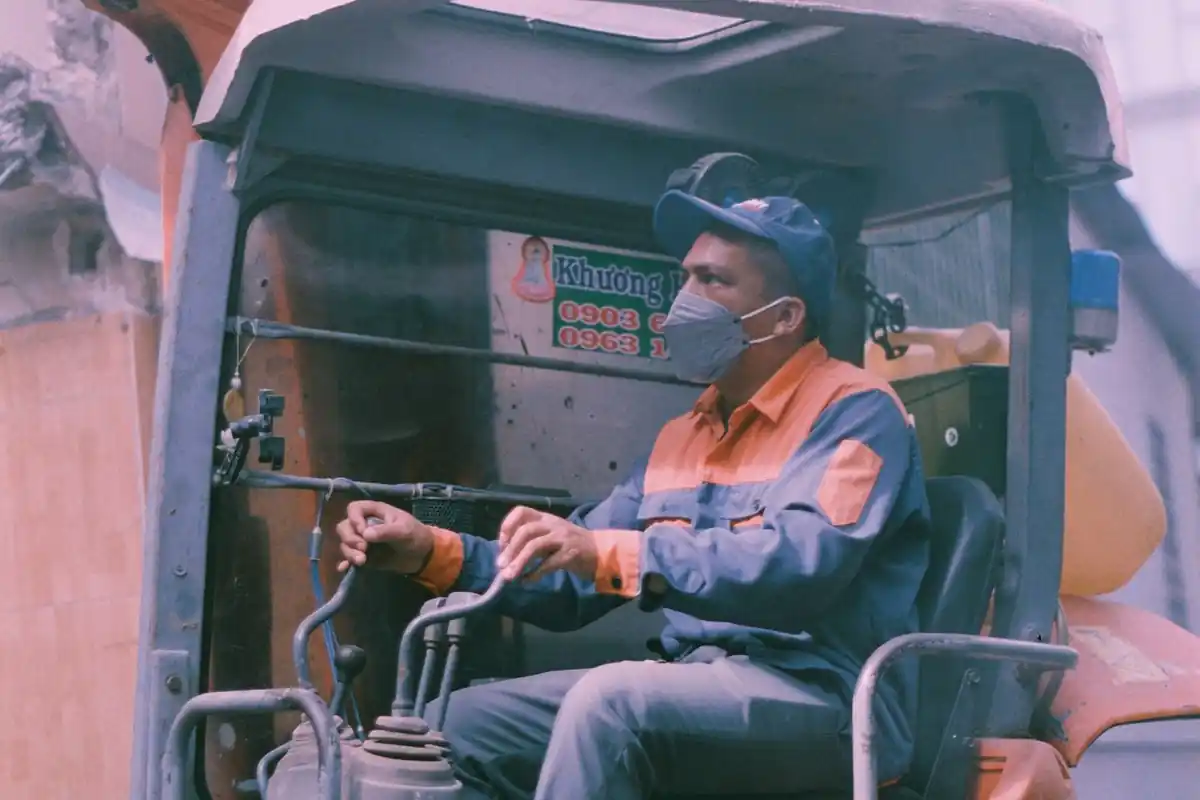
An earthmoving operator matches the task to the machine, ground conditions, available space and drawing. Excavators dig trenches and shape profiles, while wheel loaders principally pick up and move material. Familiarity with controls does not replace checking the terrain, visibility and agreed working area. Before starting, the operator checks the machine and attachments, including quick-hitch security. During work, depth, profile and communication with colleagues remain important. Faults or uncertain conditions are reported before production continues, with competence tied to the particular machine and operation.
What will you do?
- Check the machine and work instructions.
- Review the ground and agreed working zones.
- Excavate, load or move material within the assignment.
- Coordinate with groundworkers and transport.
- Record daily checks and report defects.
Where will you work?
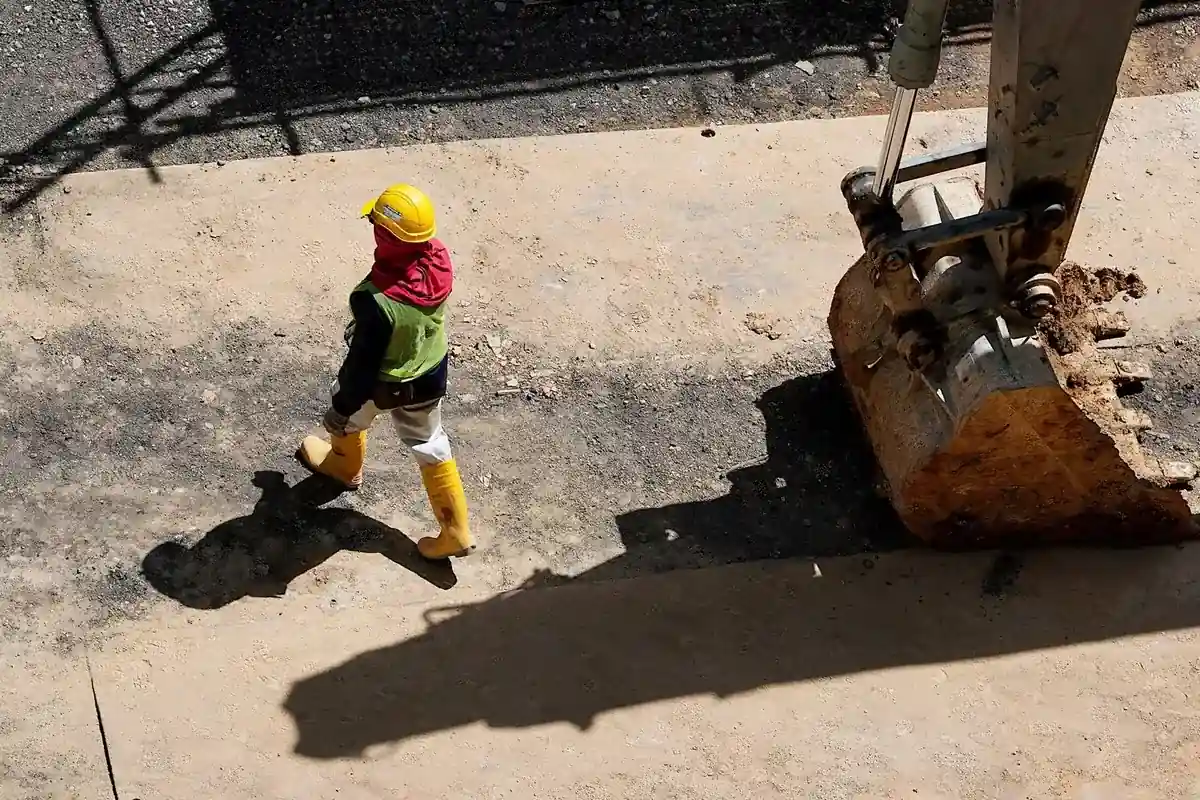
You work outdoors on infrastructure projects, construction sites or other land. Weather, ground conditions and vehicle movements affect planning. Awareness of people and objects around the machine is essential.
What does a working day look like?
You start with machine checks and a briefing. You carry out the planned work while communicating with colleagues on the ground. At the end, you report progress and maintenance concerns.
Which skills and experience help?
Spatial awareness, controlled operation and clear communication help. Describe the machines, size classes and attachments you know. Required training, site instructions and any driving entitlement are checked for the assignment.
How can you develop?
You can specialise in complex earthworks, digital machine guidance or additional machine types. Experienced operators may help guide less experienced colleagues.
Your practical experience
Describe a trench, road formation or foundation excavation and identify the machine and attachments. Include level interpretation, laser work or machine guidance if you used them. Explain coordination with groundworkers, loading tasks and daily checks, connecting your experience to the actual machine type and conditions involved.
Practical questions about the trade
Does wheel-loader experience transfer directly to excavator operation?
The movements, reach and applications differ. A wheel loader picks up and carries material, whereas an excavator uses its boom and arm for excavation and profiling. Visibility and attachments also differ. Experience should therefore be described against the actual machine and task rather than treating every earthmoving machine as one interchangeable operating skill.
Why check the quick hitch after changing an excavator attachment?
The attachment must be positively secured in accordance with that hitch system. Operating a switch alone does not establish correct engagement in every situation. Checks follow the manufacturer procedure and account for visibility and access. If security remains uncertain, work with the attachment stops until correct locking has been verified using the required method.
What belongs in daily checks of an earthmoving machine?
Assess the machine and attachment using the specified checks, including visible damage, leaks, operation and safe access. Also consider the surroundings and sightlines needed for the task. Defects are reported and safety-critical faults require the equipment to be taken out of service. Daily checks therefore cover operating conditions as well as the machine, not just fluid levels.
More about this occupation
Occupational, training and technical sources relevant to this page.