What does this occupation involve?
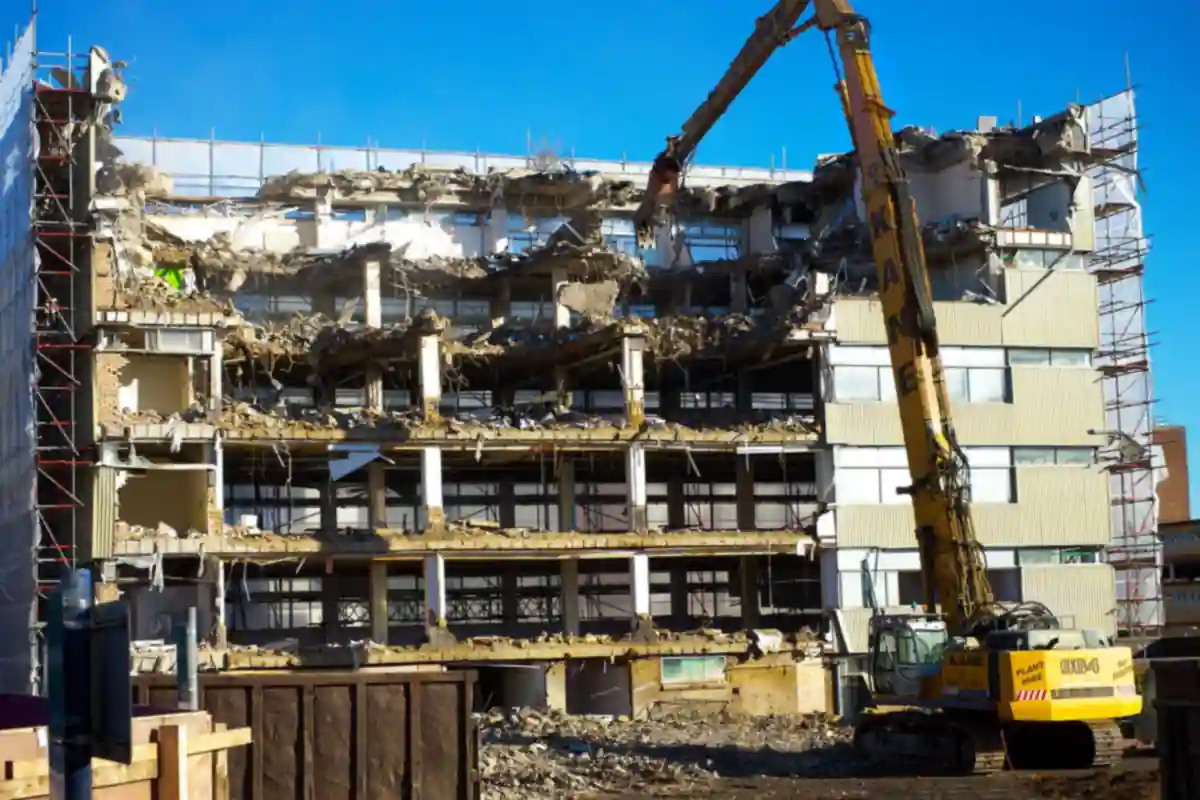
Work ranges from stripping out interiors to removing larger building sections. Preparation defines what can be removed, what must remain and how materials leave the site. You do not make your own decisions about unfamiliar structures or services. Suspicious materials are reported and work is paused where required. Specialist hazardous-material removal is a separate activity, not an automatic part of ordinary demolition.
Selective dismantling needs an understanding of the building
Demolition work starts with knowing what stays and what can be removed. During refurbishment, an operative may strip ceilings, finishes and non-structural components to an agreed plan. Structural demolition additionally depends on sequence and temporary stability. Information about services and suspect materials needs resolving before interference. Hand tools, breakers and machinery have different effects on dust, vibration and surrounding work. Materials are separated for reuse or treatment. Unexpected construction or materials require the affected work to stop while the plan is reviewed.
What will you do?
- Review the work zone and instructions.
- Dismantle or remove the assigned building elements.
- Separate reusable materials and waste streams.
- Collect material and support its removal.
- Check the work area and report unexpected findings.
Where will you work?
You work indoors and outdoors on demolition or renovation sites. Dust, noise and other teams may affect the environment. Barriers, suitable equipment and coordination form part of daily work.
What does a working day look like?
The day begins with a briefing on the section and surroundings. You carry out the work in the agreed order. You finish by clearing the area and discussing progress and any unresolved points.
Which skills and experience help?
Practical judgement, physical stamina and following instructions matter. Explain which tools and equipment you know. Recognising when to stop and ask for guidance is an important professional skill.
How can you develop?
You can train in selective dismantling, material recovery or operating suitable equipment. With experience, you may help guide a demolition team.
Your practical experience
A refurbishment retaining part of a building is a useful example. Explain what you removed, how surrounding work was protected and how materials were separated. Distinguish hand dismantling, machine demolition and specialist operations handled by another team, including how unexpected discoveries were reported before work could continue.
Practical questions about the trade
Why cannot a demolition operative change the demolition sequence independently?
Sequence is linked to structural stability, access and protection of people and retained parts. A component that appears unnecessary may still provide support during the work. Changes therefore need assessment against the plan. Unknown construction or movement calls for stopping the affected operation until the situation and an appropriate method of proceeding are established.
What does selective demolition mean for everyday site work?
Components and materials are deliberately removed separately to preserve opportunities for reuse or suitable treatment. Doors, metals, timber or plasterboard may be taken out before larger demolition operations. Operatives follow the project material-stream arrangements. Sorting a mixed skip afterwards does not achieve the same result as planned dismantling and separation at the workface.
What should a demolition operative do on finding unknown services or suspect materials?
Stop the affected work and report the discovery through the project arrangements. An unfamiliar service cannot be assumed disconnected from its appearance. Suspect material is not removed or sampled on personal initiative either. The responsible specialist identifies the issue and establishes the necessary conditions before demolition in that area is allowed to resume.
More about this occupation
Occupational, training and technical sources relevant to this page.