What does this occupation involve?
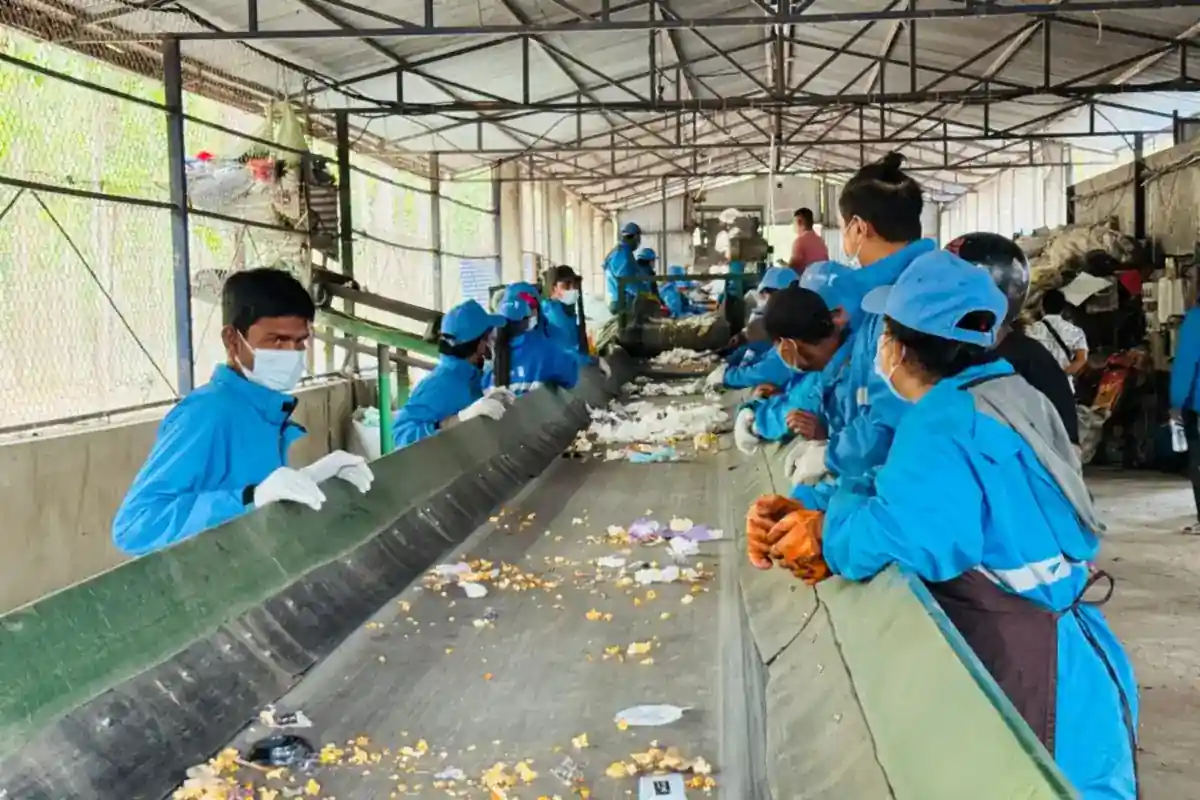
You may work at a sorting belt, dismantling station or collection and processing site. Paper, plastics, metals and other materials each require recognition and specific handling instructions. Different businesses process different waste streams. Unfamiliar or suspicious items are reported so the responsible person can decide how they should be handled. Careful separation improves the quality of recovered materials.
Sorting quality starts with recognising the material
A recycling operative separates incoming material into streams suitable for further processing. Paper, metal, glass and different plastics do not all have the same destination. Line instructions establish what to pick out and which contamination to report. Mechanical and manual separation support each other; sorting is not itself the transformation of waste into a new product. Quality includes keeping unwanted material out of a recovered fraction. Around conveyors and balers, guarding and blockage procedures remain important, particularly when incoming material accumulates.
What will you do?
- Identify incoming materials according to the instructions.
- Sort materials or dismantle assigned components.
- Report incorrect or unusual items.
- Keep containers and work zones organised.
- Check the flow and quality of sorting work.
Where will you work?
You work in a recycling hall, outdoor site or specialist processing business. Tasks can involve standing and repetitive movements. Noise, dust and vehicle traffic vary between workplaces.
What does a working day look like?
You start with a briefing on the material stream and station. During the shift, you sort against agreed criteria and communicate about contamination, full containers and equipment problems.
Which skills and experience help?
Observation, consistency and teamwork are useful. State which materials, sorting tasks and dismantling work you know. Operating machinery or driving site vehicles requires additional instruction.
How can you develop?
You can develop skills in material identification, machine operation or quality checks. Experienced workers may help organise a work zone or small sorting team.
Your practical experience
Describe a material stream you sorted, such as packaging, metal or electrical waste, and how you recognised unwanted contamination. Explain your part in quality checks and reporting blockages on a conveyor or baler. Distinguish operating equipment from carrying out authorised maintenance or recovery work.
Practical questions about the trade
Why are different plastics separated during recycling?
Recovered material must meet the needs of the next process. PET and HDPE are examples of different plastic streams, while film may form another fraction. Incorrect material contaminates a batch. The operative follows the facility's sorting specification and recognises the agreed categories rather than treating all plastic packaging as one material simply because it looks similar.
What should a recycling operative do with unexpected or suspect waste?
A mixed stream can contain items outside the normal sorting scope or materials that present additional hazards. The operative follows the established reporting and separation procedure, rather than opening unknown containers or dismantling items to investigate. Recognising when something falls outside routine sorting is an important part of competence in a recycling facility.
Can a recycling operative clear a blocked conveyor independently?
An accumulation requires the facility's agreed blockage procedure. A conveyor, baler or other machine can cause serious injury while moving or restarting. Operating equipment and safely clearing it are different tasks with their own competence and control requirements. The operative reports the problem and follows assigned responsibilities; production pressure does not change those boundaries.
More about this occupation
Occupational, training and technical sources relevant to this page.