What does this occupation involve?
Work begins by setting out lines and levels. You assemble the frame, fit any specified insulation and fix the required boards. Door openings and service penetrations need careful coordination. A system may have acoustic or fire performance requirements, so its specified build-up must be followed. Achieving a fully finished decorative surface may be a separate trade or a separate part of the assignment.
Boarding quality starts behind the finished surface
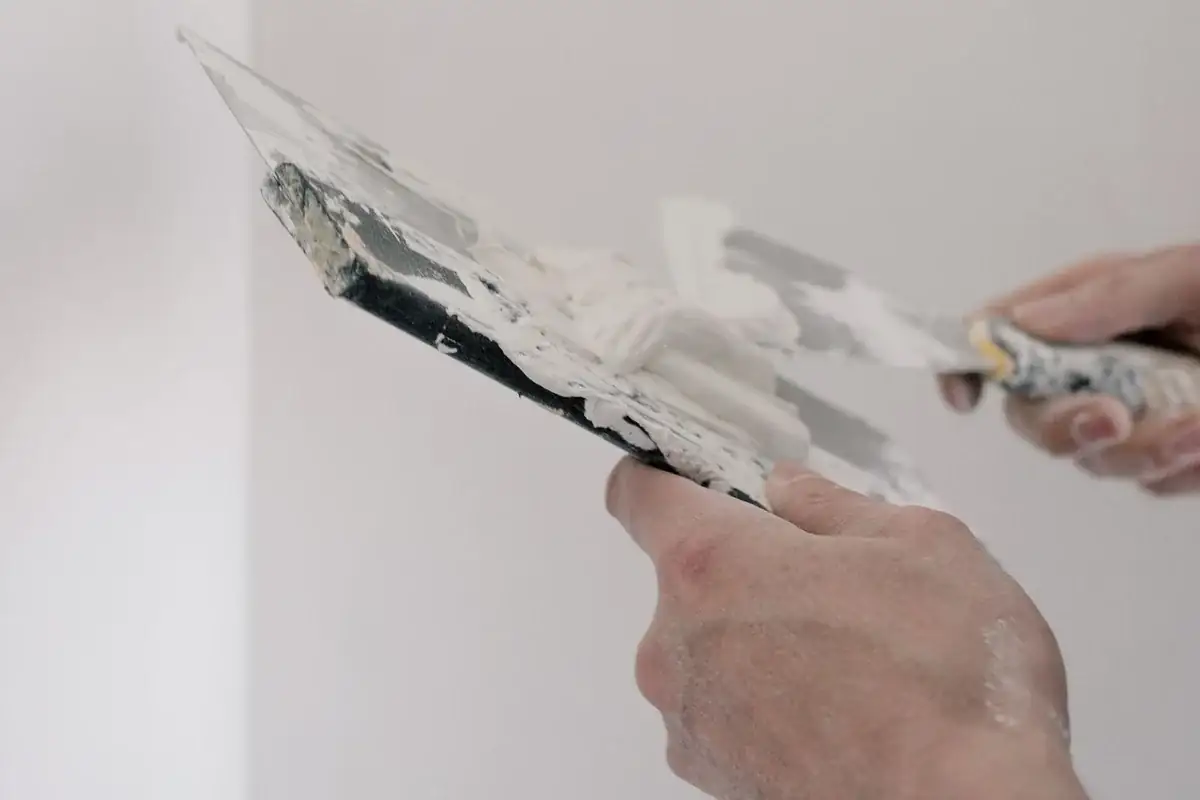
A dryliner sets out partitions, linings or ceilings around openings and service routes. Studs, board layers and insulation follow the specified system; acoustic and fire performance also depend on perimeter details and penetrations. Supports for suspended loads need resolving before the wall is closed. During boarding, the fitter checks edge support, joint arrangement, flatness and screw heads without tearing the paper facing. Jointing then brings the surface to the agreed finish, using compatible compounds and reinforcement rather than concealing framing defects.
What will you do?
- Set out wall and ceiling positions.
- Install profiles and supporting frames.
- Fit insulation and boards to the specified system.
- Form openings and connections carefully.
- Check dimensions, alignment and fixings.
Where will you work?
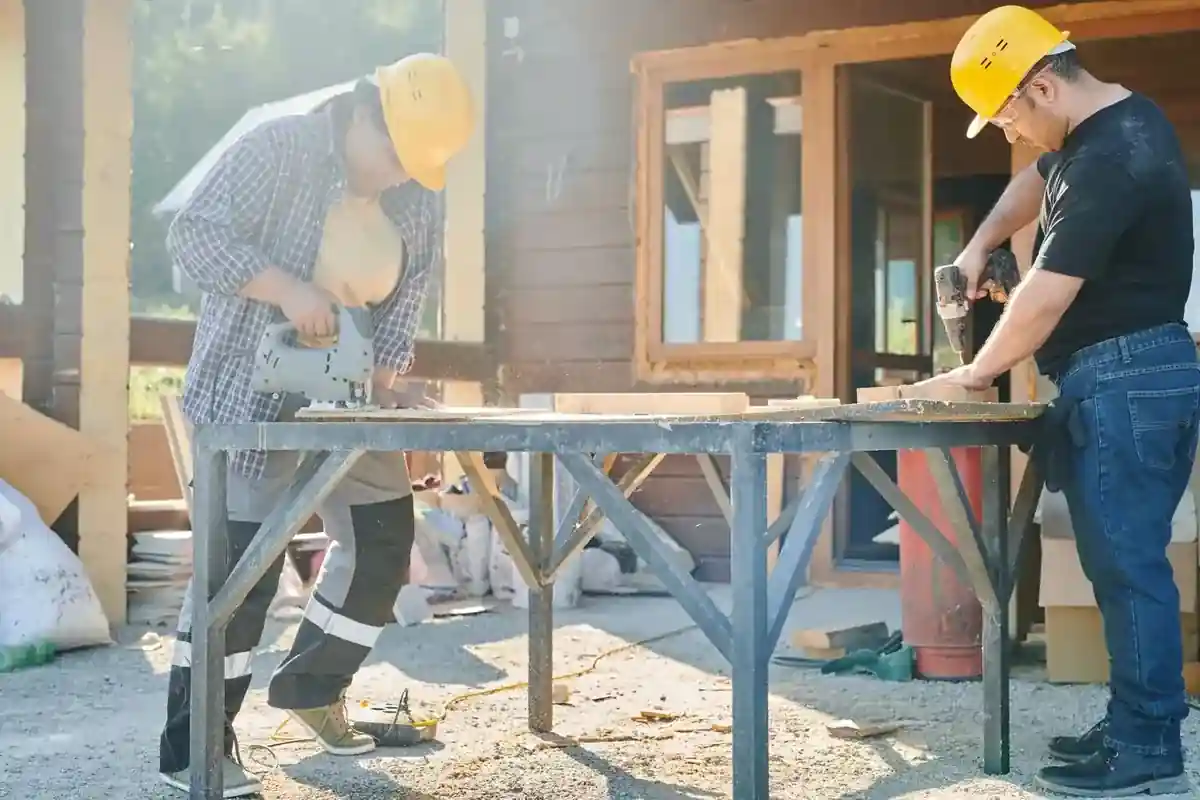
You work inside homes, shops, hotels and other buildings during construction or refurbishment. The job often forms part of a finishing schedule involving electricians, installers and other interior trades.
What does a working day look like?
You agree which spaces are ready, set out the framework and build the wall or ceiling. You coordinate service openings before the boards close off access to the installation behind them.
Which skills and experience help?
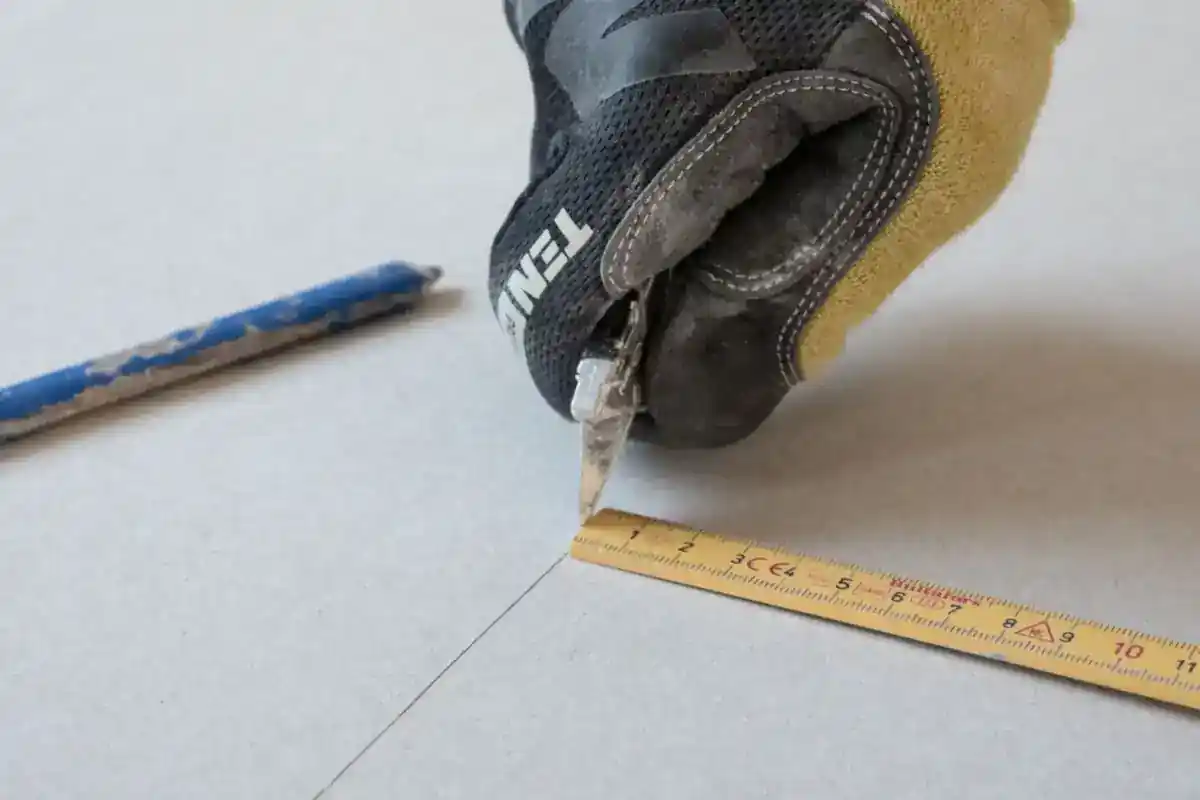
Accurate measurement, following system instructions and clean cutting are valuable. Explain your experience with metal stud framing, plasterboard, ceilings and finishing levels. Handling boards carefully and working well with others also matter.
How can you develop?
You can develop skills in specialist partition and ceiling systems, complicated junctions or coordinating a small interior construction team.
Your practical experience
An example involving metal stud partitions, wall linings or suspended ceilings is more useful than a list of sites. Describe laser setting-out, door openings and service coordination. Make clear whether your responsibility covered framing and boarding, or also taping, jointing and final surface preparation.
Practical questions about the trade
Why must drylining components match the specified wall system?
Performance belongs to the complete arrangement of studs, boards, insulation and junctions. Substituting a board or leaving an unsealed perimeter can change the result even when the surface looks sound. Dryliners check the system drawing and resolve deviations before closure. Fixings for heavy equipment also need suitable support designed into the wall.
What does a dryliner check when fixing plasterboard?
Check support at board edges, the specified arrangement of joints, surface alignment and secure screw engagement. Screw heads must not tear through the facing. Fixing type and spacing depend on the particular wall or ceiling build-up. Damaged edges and unsupported joints need attention before joint treatment makes the board arrangement harder to inspect.
How do drylining fixing and joint finishing differ?
Fixing produces the frame and boarded surface; finishing treats joints, corners and fastener positions with suitable reinforcement and compounds. The required decorative finish affects the expected surface quality. Good jointing cannot compensate for a misaligned frame or unsupported board edges. Those earlier stages must be checked before the finisher prepares the surface for decoration.
More about this occupation
Occupational, training and technical sources relevant to this page.