What does this occupation involve?
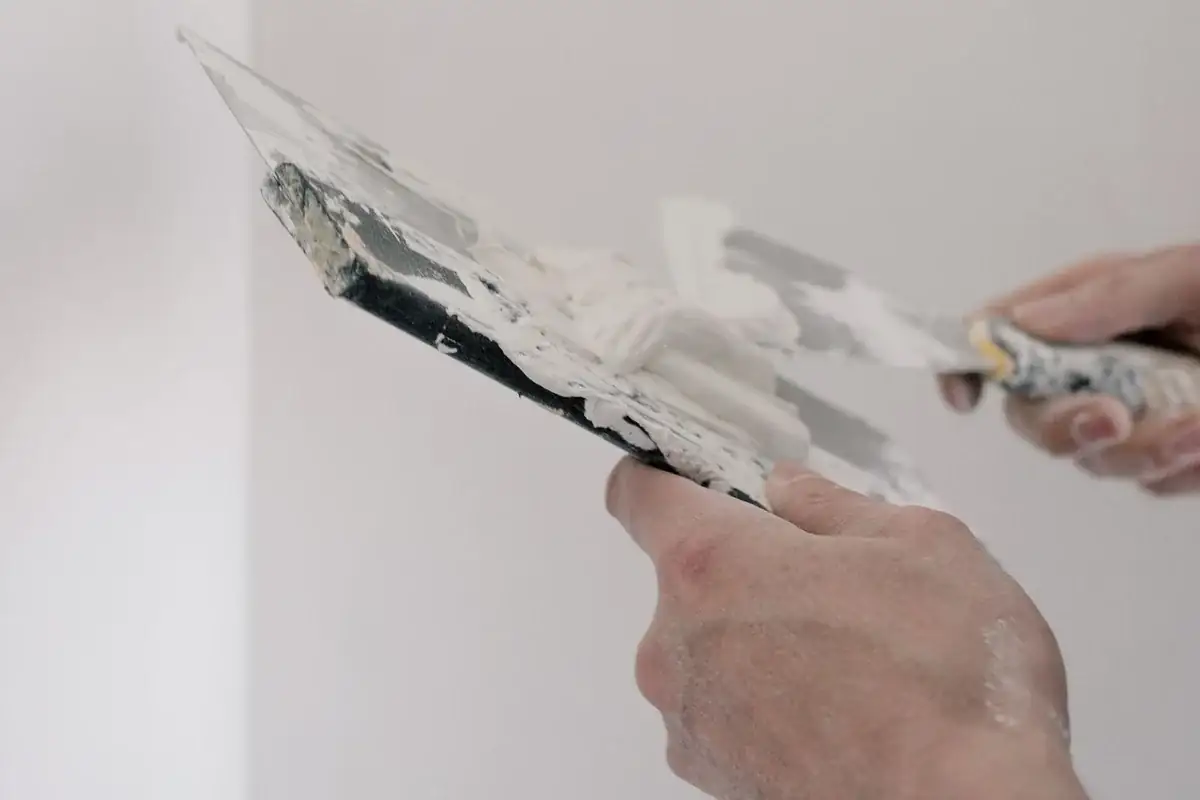
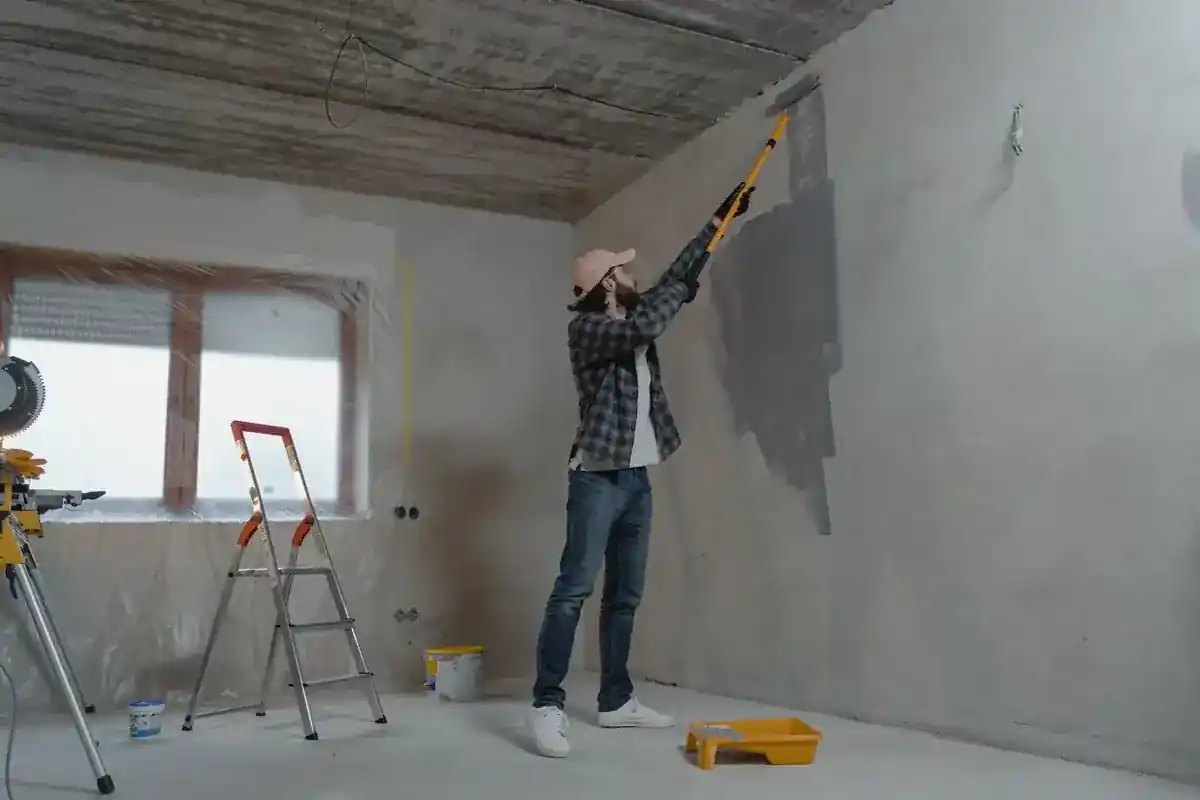
Building painters work on timber, walls and other surfaces. Interior work often takes place around occupants; exterior work also protects against weather. The underlying material determines preparation and product choice. Simply adding another coat is not enough when there are defects that need attention.
A lasting coating starts with the surface underneath
Painters assess the background before applying the next coat. Timber, plaster, metal and existing paint call for different preparation and compatible materials. Dirt, loose material and uneven absorbency can affect adhesion and appearance. Fillers, primers and topcoats belong to a selected system and intended use. Brushes, rollers and spray equipment provide different ways to apply it. Coverage, texture and clean edges make quality visible, while drying conditions and adhesion influence durability. Another finish coat will not repair an unreliable background. Inspection therefore considers the preparation as well as the final appearance.
What will you do?
- Assess the surface and existing finish within your expertise.
- Protect nearby furniture, floors and fittings.
- Clean, sand and carry out agreed minor repairs.
- Apply preparation and finishing coats with suitable tools.
- Check coverage and edges and clear the work area.
Where will you work?
You may work on new buildings, maintenance projects or occupied homes, indoors or outdoors. Ventilation, access and arrangements with users vary. Work at height requires suitable access equipment.
What does a working day look like?
You identify which surfaces are ready for each stage. Preparation, application and finishing are sequenced around drying times and other trades. The result is checked before the area is handed back.
Which skills and experience help?
Patience, a steady hand and attention to detail help. Describe the surfaces, products and techniques you know. Maintenance painting differs from only spraying on new-build projects. Follow the instructions for the products you use.
How can you develop?
You can develop in maintenance, decorative finishes or specialist surfaces. Training and experience may also lead to more independent project work or helping other painters.
Your practical experience
Repainting timber frames and coating new plaster walls demonstrate different experience. Identify the background, coating system and preparation. Explain how you checked coverage and texture, and distinguish brush-and-roller work from spraying, naming the surfaces on which you actually used each method rather than claiming every application technique.
Practical questions about the trade
How does a painter decide which primer a surface needs?
It depends on the background, existing coating and selected paint system. Absorbent plaster needs a different assessment from smooth metal or previously varnished timber. A suitable primer can regulate suction or support adhesion and coverage. The painter evaluates the surface first and follows product information, rather than assuming one universal undercoat is appropriate for every material.
How do brush, roller and spray-painting experience differ?
The method affects access, working speed and the resulting coating texture. Brushes and rollers suit many doors, trims and wall surfaces; spraying requires a compatible product and appropriate preparation for that application. Each method needs its own handling skill. Confidence rolling walls does not automatically show competence in spraying or producing a fine painted-joinery finish.
What can cause poor coverage, uneven texture or peeling paint?
The cause may lie in the background, material selection, application or drying conditions. Contamination and uneven suction can also affect the result. Identify the failing layer or condition before deciding how to repair it. Simply adding another coat may repeat the defect if the existing layer is unsound or the coating system is unsuitable for that surface.
More about this occupation
Occupational, training and technical sources relevant to this page.
- SBB / KiesMBO — Afbouw en onderhoud
- Veelgestelde vragen over Sikkens en producten | Sikkens
- Sikkens — AkzoNobel
- Zasady dobrego malowania ścian wewnętrznych i zewnętrznych | Tikkurila
- Niejednolita struktura | Tikkurila
- Słabe krycie | Tikkurila
- Primário EP/GC 300: primário para pladur | Tintas CIN
- National Apprenticeship - Occupational Profile
- Industrial Painter Decorator Apprentice – Find an apprenticeship – GOV.UK