What does this occupation involve?
Tiles are used in bathrooms, kitchens and entrance areas. Much of the result is decided before laying begins. You assess the background and plan cuts and joints so the layout works around corners, doors and drains. Waterproofing or preparatory layers are part of your duties only when included in the instructions and assignment.
Tile quality starts beneath the visible finish
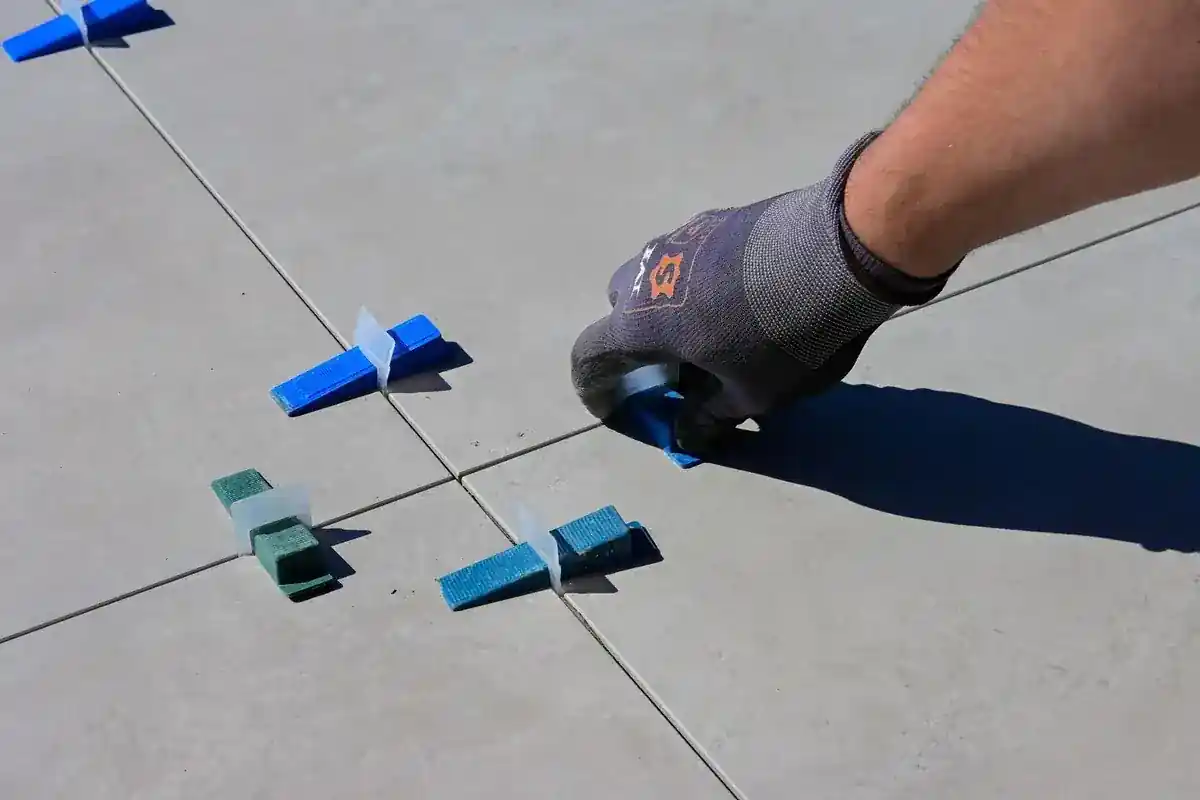
Tilers coordinate setting out, the background and the installation system. The layout determines full tiles, cuts and joints; the background needs suitable flatness and stability. Ceramic, porcelain and natural stone can require different adhesive and preparation choices. In wet areas, waterproofing and penetration details form a separate part beneath the tiles. During installation the tiler checks alignment and relationships between tile edges. Ordinary grout and movement joints have different jobs. A convincing pattern is only part of a good result when the concealed build-up and perimeter details also suit the application.
What will you do?
- Check the background, dimensions and layout.
- Set out the space and prepare cut tiles.
- Install tiles using the agreed system and joint spacing.
- Complete corners, edges and connections carefully.
- Check grouting and finishing and clean the surface.
Where will you work?
You usually work indoors on construction or renovation projects, sometimes in occupied properties. Dust, kneeling and heavy tiles require suitable equipment. Coordination with plumbers and other finishing trades is common.
What does a working day look like?
You begin with measurements and the background condition. As you cover each section, you check alignment and distribution. Grouting and further finishing take place when the material and schedule allow.
Which skills and experience help?
Accurate measuring, spatial awareness and careful handwork matter. Describe the tile sizes, materials and rooms you know. Large tiles, mosaic and natural stone can require different skills. Product instructions determine the correct method.
How can you develop?
Specialisms include large formats, bathroom renovations, mosaics or stone. Experience can lead to preparing and completing smaller projects more independently.
Your practical experience
Use a bathroom or large-format floor as an example, identifying tile material, background and adhesive system. Describe setting out, cutting and edge checks. State whether waterproofing and movement joints were included in your own work; a difficult penetration or perimeter detail can be more informative than the area completed.
Practical questions about the trade
Do bathroom tiles and grout automatically create waterproofing?
Waterproofing is a separate part of the build-up. Primer, membrane, junction details and suitable tile adhesive must work as a compatible system. Tiles and grout provide the visible finish but do not establish that the area beneath is protected. Corners, penetrations and connections therefore need the specified waterproofing checks before tiling conceals those details.
Why do large tiles need careful background and adhesive selection?
Larger tile faces make differences in flatness and adjoining edges more apparent. The background must be suitable, and the adhesive needs to match the tile, substrate and application. Adhesive is not an unlimited levelling material. Planning the layout and checking the system beforehand helps prevent an uneven installation only becoming obvious when the finished work is being grouted.
Why are tile movement joints not filled with ordinary grout?
Ordinary grout fills the space between tiles; a movement joint must accommodate the intended deformation. That requires an appropriate detail and material. Filling it with a rigid product can remove its function. Position and execution therefore follow the layout and system requirements, particularly around perimeters and connections to other building elements, rather than being chosen solely for appearance.
More about this occupation
Occupational, training and technical sources relevant to this page.
- SBB / KiesMBO — Gespecialiseerde aanneming
- Een waterdichte badkamer | Mapei
- De mooiste tegelwand met de krachtpatsers van Mapei | Mapei
- KLEJ ELASTYCZNY GLAZURNIK | Mapei
- System wykonywania hydroizolacji i montażu ceramiki w kabinach prysznicowych, łazienkach i szatniach na starych okładzinach | Mapei
- Sistema para a impermeabilização e o assentamento de cerâmica em casas de banho e ambientes húmidos | Mapei
- Juntas assim ganha a qualidade | Mapei
- Materiais de acabamento e revestimento Mapei | Mapei
- Install wall tiles - Department of Training and Workforce Development
- Perimeter Movement Joint Detail - Tile | International Masonry Institute
- Wall and floor tiler / Skills England