What does this occupation involve?
Rail work requires coordinated preparation and clearly defined working arrangements. Tasks take place within authorised work periods and agreed site controls. Your role may involve assembly, material preparation, maintenance or supporting specialist equipment. Identifying and reporting unexpected conditions contributes to the quality of the completed track.
Track maintenance connects components with support and alignment
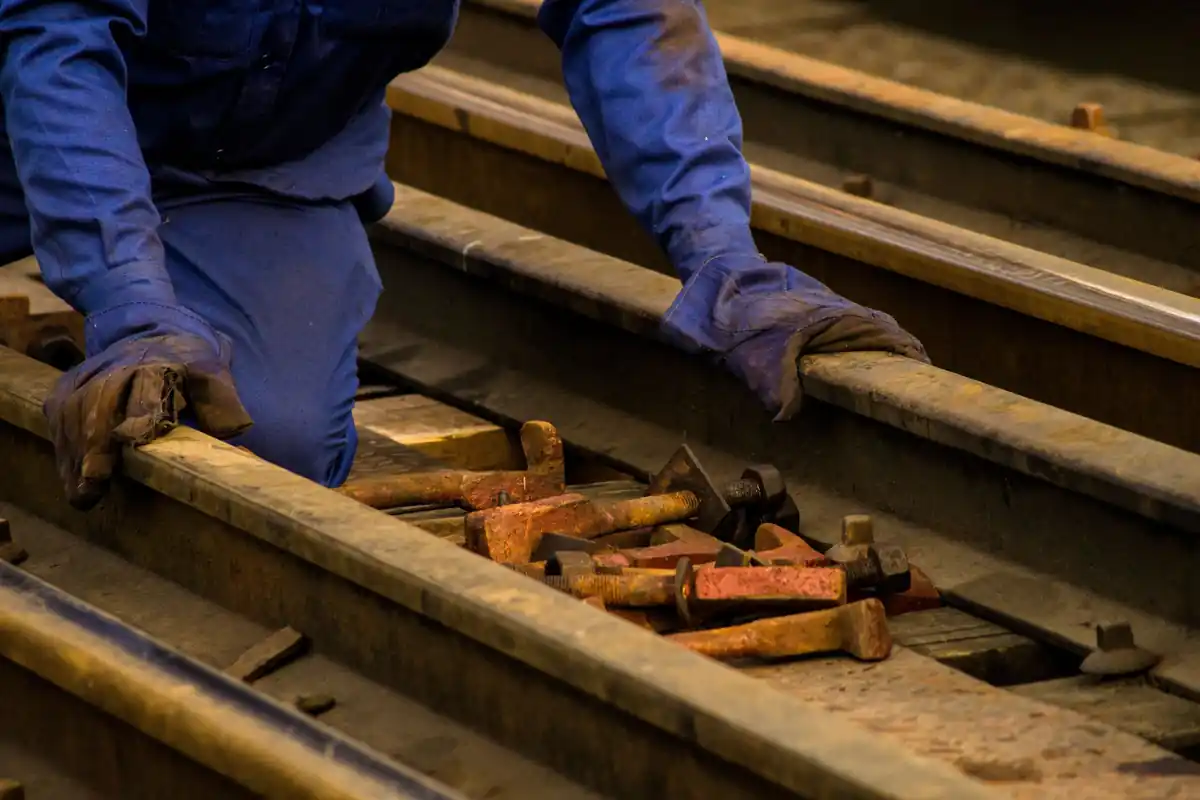
A rail track worker deals with rails, sleepers, fastenings, switches and ballast. These components form a system, so the appearance of the rail alone cannot establish the condition of the track. Duties can include inspection, component replacement and supporting machine maintenance teams. Tamping and rail replacement are different processes. Access arrangements and site instructions are established before work starts. When describing experience, distinguish manual work, operating a specific machine and assisting a specialist team during an agreed work window.
What will you do?
- Review the work order, materials and team responsibilities.
- Prepare track components and tools for the planned operation.
- Help install, replace or maintain assigned track components.
- Check dimensions and visible conditions within your role.
- Tidy the work area and report findings for inspection and handover.
Where will you work?
You work outdoors along railway lines, points and sidings. Some assignments take place at night or during weekends. Access arrangements and communication with safety personnel are established beforehand and must be understood.
What does a working day look like?
The crew begins with a briefing and the applicable instructions. You then complete assigned work within the available period. Progress and unexpected issues are shared promptly before the work is checked and handed over.
Which skills and experience help?
Technical awareness, precise teamwork and reliable communication matter. Construction or fitting experience can help, but does not replace railway-specific instruction. Have the required qualifications and workplace language assessed for your actual role.
How can you develop?
You can specialise in maintenance, points, measurement or particular railway equipment. Training and demonstrated experience can support progression towards more independent fitting or specialist track roles.
Your practical experience
Choose a job involving rails, sleepers or a switch. Describe an anomaly you noticed, how you reported it and your responsibility in the team. List machine operation, welding or switch adjustment separately, and only where you performed those tasks with the appropriate preparation.
Practical questions about the trade
Why does a rail track worker inspect sleepers and ballast as well as rails?
Loads pass from the rails through fastenings, sleepers and ballast into the formation. A defect in one part can therefore affect the whole track system. Inspection considers those relationships and the specified assessment points. A rail that looks straight does not, by itself, show that all its fastenings and support are satisfactory.
How is track tamping different from replacing rails or sleepers?
Tamping works on the ballast beneath sleepers to improve support and restore the position of the track. Replacing rails or sleepers renews physical components. Both activities may form part of one project, but they involve different machinery and tasks. Experience is clearer when candidates name the process and their actual role within the team.
Does a Dutch DVP qualify someone to perform every railway maintenance task?
The DVP concerns access and safety conditions in designated railway zones and construction areas. It does not automatically establish competence in welding, operating machinery or adjusting switches. The employer also needs to verify the preparation required for the particular task. Check both the access arrangements and the specific responsibilities assigned for the job.
More about this occupation
Occupational, training and technical sources relevant to this page.