What does this occupation involve?
Pitched roofs with tiles or slates require different methods from flat roofs with synthetic or bituminous coverings. You prepare the surface, install materials and finish connections to the chosen system. Inspection and repair may also be involved. General roof experience does not mean independent competence with every material or method.
Roof junctions need the same attention as the main covering
Roofing includes distinct specialisms. Pitched tile roofs involve underlayers, fixings and details at ridges, eaves and penetrations. Flat roofs centre on the background, insulation and a bituminous, synthetic or liquid waterproofing system. Application and attachment follow the selected system. Upstands, outlets and edges require careful detailing to maintain continuity. A large area can look complete while a junction remains unfinished. Roofers therefore check preparation and the relationship between layers as well as the final surface. Experience is clearest when it identifies both the roof type and the materials actually installed.
What will you do?
- Review the roof and prepare materials for the job.
- Remove existing coverings or prepare the base where required.
- Fit covering and specified insulation to the instructions.
- Finish edges, penetrations and drainage connections carefully.
- Check the result and clear waste from the work area.
Where will you work?
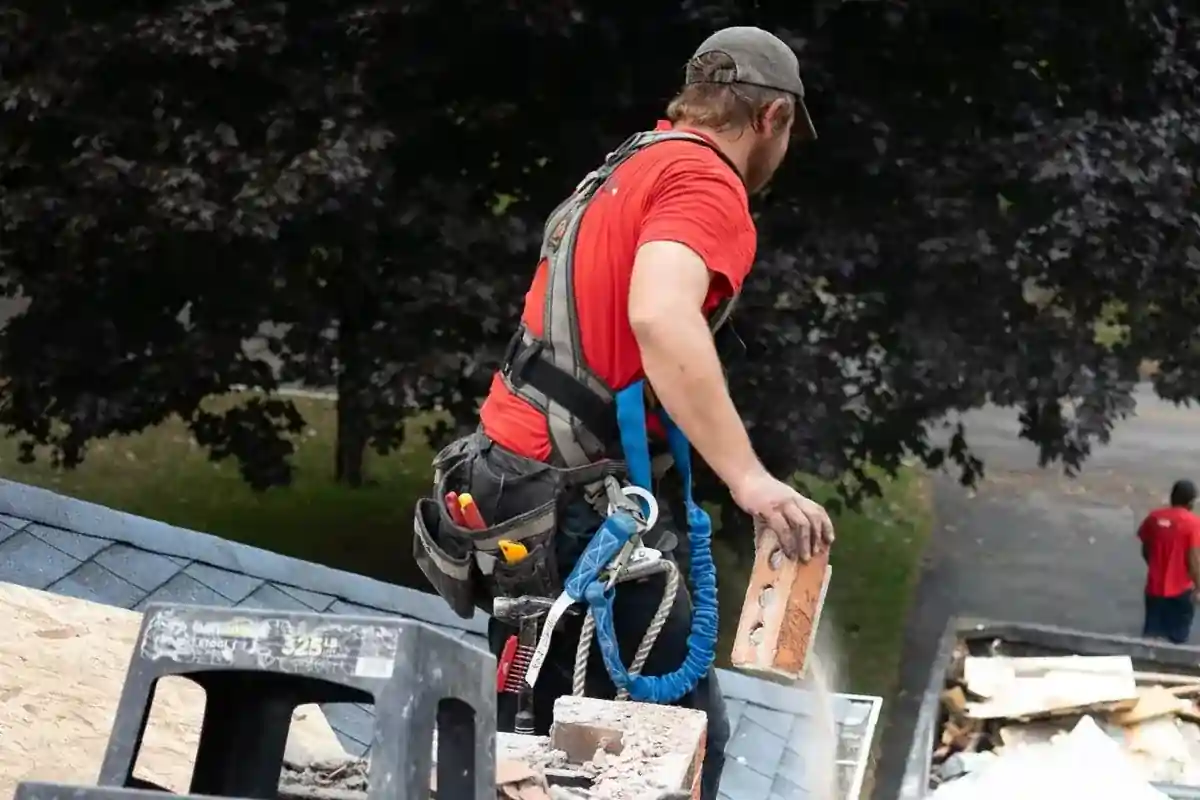
Work is mainly outdoors on homes, commercial buildings and renovations. Weather can limit what is possible. Access, fall protection and safe use of tools or heat sources are arranged before work starts.
What does a working day look like?
You review the weather and plan, distribute materials and complete the agreed section. Before leaving, the crew checks details and how the roof and work area will be left.
Which skills and experience help?
Practical understanding, neat work and safety awareness matter. State whether you know tiles, slates, synthetic coverings or bitumen. Describe insulation and detail work separately. Specialist methods require appropriate instruction.
How can you develop?
You can specialise in a roofing system, renovation, repair or insulation. Further experience and training may lead to preparing or guiding smaller projects.
Your practical experience
Describe a tiled roof with a chimney junction or a flat roof using a named membrane type. Identify the background, insulation, attachment and details you completed. Distinguish main-area installation from penetration work and investigating leaks, because those activities reveal different aspects of practical roofing experience.
Practical questions about the trade
Is pitched-tile roofing experience the same as flat-roof membrane experience?
Layer build-up, attachment and water shedding differ. Flat roofing also includes bituminous, synthetic and liquid-applied systems with their own methods. Attention to backgrounds and details is shared, but practical competence remains material-specific. A useful work history therefore identifies the roof type and system rather than presenting every roof-covering job as the same interchangeable skill.
Why do roofers check edges, penetrations and outlets carefully?
These are transitions where the covering meets another component or changes geometry. The specified detail must maintain the waterproofing arrangement and allow drainage to work. A well-finished main area does not establish that these junctions are complete. Upstands, chimney connections and outlets therefore need their own checks as part of assessing the whole roof system.
What needs checking before a new roof covering is installed?
The background and existing layers must be suitable for the selected system. Roofers check preparation, insulation position and the details connecting new and existing work. Irregularities or an unclear build-up need clarification before covering. A fresh top layer may conceal a problem temporarily, but it does not replace a sound background or a correctly coordinated roofing detail.
More about this occupation
Occupational, training and technical sources relevant to this page.
- SBB / KiesMBO — Gespecialiseerde aanneming
- SBB – Dakdekker bitumen en kunststof: certificaatsupplement
- Vakrichtlijn gesloten dakbedekkingssystemen 2025
- Prezentacja zawodu - Dekarz - Dekarstwo / Roofing - zpe.gov.pl
- Przewodnik dla nauczyciela - Wykonywanie odwodnień dachowych - zpe.gov.pl
- Componentes para cobertura inclinada | BMI Portugal
- Sistemas para coberturas e telhados | BMI Portugal
- Roofer / Skills England
- Roofer - Waterproof membranes installer